


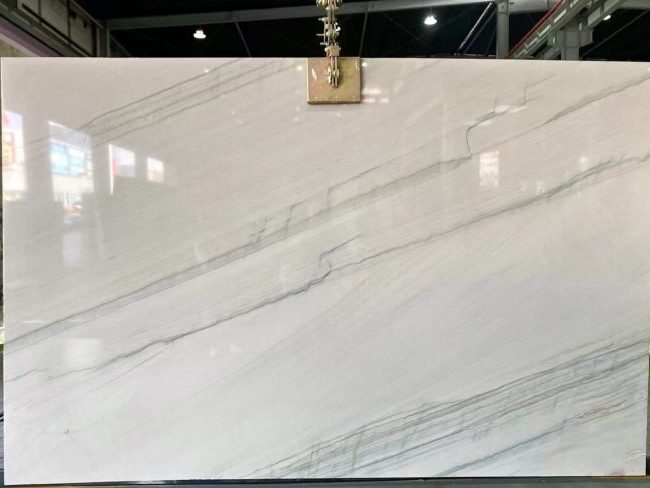
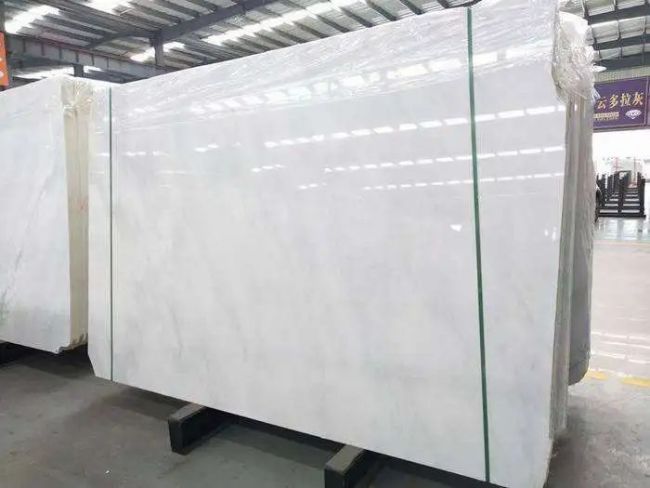
The pure and soft texture of white marble, coupled with its elegant and natural veins, makes it highly desirable and imbued with the meaning of sacredness and purity. Although some may consider white decoration monotonous or ordinary, white remains a timeless classic among color combinations, allowing you to experience inner peace amidst the complexities of city life.
Elegant and noble white marble has gradually become a favorite in the design field. High-end apartments and brand stores often use white marble for decoration. In home decoration, white marble can be used in various places, such as desktops, walls, floors, background walls, and bathrooms, making it widely applicable. There is always a shade of white to match your preference!

Precautions for Processing and Installation of White Marble
1. Tap Water Processing
White natural marble is more delicate compared to other colors of marble. Factories usually use recycled water for processing, which can mix with other ingredients and cause pollution. Therefore, using tap water for one-time processing ensures water quality and prevents contamination during the cultured marble manufacturing process.

2. Tap Water Cleaning
After processing, clean the finished product with tap water. Place the finished product in a suitable position to air dry, preparing it for the next step of waterproofing.

3. Protective Treatment
After processing and forming, marble needs chemical protection treatment, which includes oily and water-based waterproofing. Marble has pores, and waterproofing penetrates 2-4 mm into the marble, forming a dry protective film to prevent liquids from penetrating the surface and interior of the marble.
Drying:
Marble must be thoroughly dried inside and outside before waterproofing. If waterproofing is done before it is completely dry, it will trap internal moisture, causing color inconsistencies over time. The moisture will not evaporate, leading to long-term issues.

Three-time Waterproofing:
Apply waterproofing on all six sides of the marble, allowing natural air to dry between applications. Repeat the process three times, ensuring complete coverage. Large factories use air-drying and heating rooms to expedite drying. This thorough process covers any missed areas and enhances protection.
4. Back Glue Treatment
Back glue plays a protective role, increasing bonding and reinforcement strength during installation. Remove the back net before applying back glue, as it can weather and fall off over time.

5. On-site Installation and Cutting
Some site-specific measurements cannot be fully processed in the factory, requiring on-site cutting. This can destroy the protective treatment done by the factory, so the on-site installer must apply waterproofing to the cut areas to prevent secondary pollution.

6. Wall Construction and Installation
Wall installation involves two main processes: wet pasting and dry hanging.
Wet Pasting:Used in bathrooms and kitchens where water is prevalent. Stone glue is used on the back for paving, ensuring good adhesion with the back glue. Avoid using ordinary white cement for wall marble.

Dry Hanging: Whether using a wooden bottom or steel frame point hanging, ensure AB glue is mixed strictly in a 1:1 ratio. Uneven mixing can leave unsolidified components that penetrate the marble, causing yellow spots that cannot be treated.

7. Floor Construction and Paving
Floor installation involves using a 1:3 semi-dry and wet mortar and white cement for bonding, relying on the back glue and white cement layer for adherence. Back glue isolates hydrochloric acid from the cement, preventing it from penetrating and causing alkali production.

8. Installation Seam Treatment
Keep gaps clean during installation to prepare for subsequent crystal surface care. Avoid cutting gaps twice when filling with glue, as it can destroy the previous waterproofing process. White stone is sensitive to glue and can change color if not treated properly.
Wet-pasted Gaps: Clean impurities before the glue fully dries.
Dry Hanging:Installation masters often fix the second board with a little marble glue, which needs to be cut and filled with white glue during crystal surface care, affecting the waterproofing process and gap aesthetics.
9. Installation Site Protection
Protect installed white marble with a protective film. Seal cleaned gaps with adhesive tape, then cover the marble surface to avoid secondary pollution or damage from other construction processes.
10. Crystal Surface Care
Crystal surface care is the final marble process, typically done after decoration completion. The crystal surface care team enters the site, performing high-speed rotation to achieve crystallization. This forms a 0.5-2 mm-thick crystal layer with a lightness of 90–100, providing anti-slip, waterproof, and anti-pollution effects.