


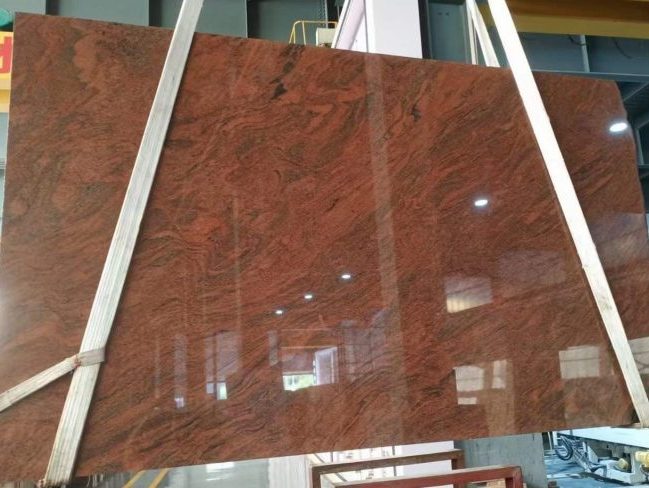


Quick Summary: A practical Quartz buying guide for Kitchen Island projects should go beyond choosing a marble-look pattern and comparing slab prices. Procurement teams need to confirm that the specified material is engineered quartz rather than natural quartzite, identify the exact product and finish, verify current slab availability and visual consistency, confirm thickness and slab dimensions, review sink and cooktop openings, mitered edges, waterfall panels, seating overhangs, support requirements, fabrication tolerances, staged QC, protective packing, and delivery scope. Engineered quartz offers relatively controlled appearance and low routine maintenance, but individual products can differ in slab format, resin system, finish, pattern scale, heat limitations, fabrication guidance, and warranty conditions. The safest order is based on the exact product, approved drawings, verified fabrication capability, and documented project scope rather than a generic “quartz” quotation.
Why Buyers Misjudge Quartz Suppliers
Engineered quartz is often treated as one of the easiest countertop materials to purchase. Buyers select a white or marble-look design from a sample, provide the approximate island dimensions, and request a square-meter quotation. Because the product is manufactured rather than quarried as natural stone, buyers may expect every slab with the same design name to be interchangeable.
In practice, a custom kitchen island introduces several variables. Slab dimensions affect seam placement and material yield. Pattern scale influences the visual result of waterfall ends. Fabrication quality determines whether sink rails, miters, corners, and polished edges look professional. Production batches can show subtle differences, and products from different manufacturers can have different technical limitations.
The first purchasing mistake is therefore assuming that “quartz” itself is a complete specification.
Engineered Quartz Is Not Natural Quartzite
Procurement teams should keep these categories separate. Engineered quartz is a manufactured surface using mineral content combined with binders, pigments, and other components according to the product system. Natural Quartzite is a quarried natural stone with geological variation from slab to slab.
The two materials have different sourcing, visual approval, fabrication, maintenance, and performance considerations. Quotations and specifications should identify the intended category clearly.
Similar Patterns Do Not Mean Equivalent Products
Two Calacatta-style quartz slabs may appear similar in online images while differing in background tone, vein scale, surface sheen, slab dimensions, thickness options, edge appearance, technical data, fabrication guidance, and available inventory.
Procurement teams should therefore approve the exact product rather than allowing an undefined “similar quartz” substitution.

Design Logic: Define the Kitchen Island Before Buying Quartz
The island design should be substantially developed before the final quartz order is released. Procurement teams should confirm overall length and width, cabinet layout, sink position, cooktop position where applicable, seating direction, waterfall ends, exposed side panels, finished edge thickness, surrounding cabinet colors, flooring, backsplash, lighting, and appliance interfaces.
These details determine both the quantity and the visual arrangement of the quartz.
Match Pattern Scale to Island Size
A broad Calacatta-style vein can look effective across a long uninterrupted island, but the same pattern may become visually fragmented when the surface contains a large sink, cooktop, pop-up socket, and several seams.
Finer Carrara-style patterns can be easier to distribute across complicated geometries. Stronger Statuario-style or Arabescato-style patterns need more deliberate slab orientation.
Define the Waterfall Strategy
Where the island includes a waterfall end, procurement teams should decide whether visual vein continuity is important. Engineered quartz generally offers more predictable patterns than natural stone, but the printed or manufactured design still needs to be positioned deliberately.
A waterfall should not be assumed to match automatically just because the top and side come from the same design.
Design teams can review CENTURY STAR’s Quartz for Kitchen Island design, performance, and detailing guide before finalizing the procurement specification.
Material Logic: Confirm the Exact Quartz Product
1. Confirm Manufacturer and Product Reference
The purchase order should identify the exact quartz product or an explicitly approved equivalent. Generic terms such as “white Calacatta quartz” do not provide enough control for a custom project.
The specification should record product name, design, finish, thickness, slab dimensions, quantity, and current technical documentation.
2. Confirm Color and Pattern Range
Manufactured quartz normally provides greater visual consistency than natural marble or Quartzite, but procurement teams should not assume perfect uniformity between different production batches.
For a large island requiring multiple slabs, the supplier should confirm that the proposed material is visually compatible and, where practical, sourced from the same production batch or coordinated stock group.
3. Confirm Surface Finish
Polished quartz is widely used for kitchen islands because it provides a clean surface appearance and reveals the printed or manufactured pattern clearly. Some products also offer matte, suede, textured, or other finishes.
Finish should be approved using the selected product because surface texture can influence perceived color, cleaning behavior, fingerprints, and edge appearance.
4. Confirm Thickness
Available thickness varies by manufacturer and product line. The required thickness should be coordinated with cabinet support, edge design, total weight, cutout geometry, and local fabrication practices.
A thick-looking island edge may be produced using a mitered build-up rather than a thicker full slab. This should be shown clearly on the fabrication drawings.
5. Confirm Heat-Use Expectations
Engineered quartz should not be described as heat-proof. The binder system and product construction mean that direct or prolonged exposure to very hot cookware can create discoloration or other damage depending on the product and conditions.
Procurement teams should review the selected manufacturer’s care guidance and ensure that end users understand the use of trivets or heat-protective accessories for hot cookware.

Supplier Logic: What Should Buyers Confirm?
Current Product Availability
The supplier should confirm that the selected design, finish, thickness, and quantity are currently available or can be supplied within the project schedule.
A showroom sample does not prove that enough slabs are available for the kitchen island and any required replacement or spare material.
Product-Specific Technical Documentation
The supplier should provide the technical and care documentation associated with the exact product. Procurement teams should avoid accepting category-wide claims such as “all quartz is heat-proof,” “all quartz is identical,” or “all quartz products can use the same fabrication method.”
Batch and Slab Coordination
For an island requiring multiple slabs, ask how the supplier will control visual consistency. The selected slabs or production group should be identified before cutting begins.
Shop-Drawing Capability
The supplier or fabricator should prepare a controlled drawing showing the main top, waterfall panels, sink and cooktop openings, faucet holes, seams, edge build-ups, seating overhang, support areas, and individual piece numbers.
Quotation Transparency
The commercial proposal should distinguish material from fabrication, packing, freight, and other services. Buyers should know whether the quotation includes sink cutouts, cooktop openings, faucet holes, mitered edges, polishing, reinforcement, dry fitting, packaging, and delivery.
Buyers comparing available designs can also browse CENTURY STAR’s Quartz material collection.
Factory Logic: Verify the Real Fabrication Capability
Cutting and CNC Capability
The fabrication facility should be capable of accurately producing the specified geometry. Depending on the island, work can include bridge cutting, CNC routing, waterjet processing, drilling, edge polishing, miter cutting, bonding, and reinforcement.
Equipment alone is not sufficient. Operators should understand the selected quartz product and the manufacturer’s fabrication recommendations.
Sink and Cooktop Cutouts
Large openings create narrow sections around the appliance or sink. Procurement teams should verify internal corner treatment, minimum rail dimensions, faucet-hole locations, clearances, reinforcement, and handling method.
Final appliance drawings or templates should be supplied before cutting.
Mitered Edge Capability
A mitered edge can give a quartz island a thicker architectural appearance. The finished result depends on accurate 45-degree cutting, consistent bonding, controlled adhesive color, edge alignment, corner finishing, and support.
Procurement teams should request close-up examples rather than evaluating miter quality only from wide project photographs.
Waterfall Fabrication
The top and waterfall panel should be planned together. The factory should review pattern orientation, edge junction, floor clearance, cabinet geometry, and installation sequence before production.

Quality Control Logic: Inspect the Quartz Package in Stages
1. Incoming Material Check
Confirm the exact product, design, finish, thickness, dimensions, quantity, surface condition, and visual consistency of the material allocated to the project.
2. Drawing and Cutting-Layout Check
Review the final CAD drawings against the latest cabinet and appliance information. Confirm top dimensions, waterfall pieces, seams, openings, finished edges, overhangs, and piece numbers.
3. Dimensional Inspection
Finished components should be measured for length, width, squareness, opening dimensions, faucet-hole locations, edge thickness, waterfall geometry, and seam interfaces.
4. Surface and Edge Inspection
Inspect for scratches, chips, marks, finish inconsistency, edge defects, adhesive contamination, miter gaps, damaged corners, and unexpected color differences between pieces.
5. Trial Layout
Where practical, the major island components should be positioned according to the approved arrangement. This allows the buyer to review pattern direction, waterfall relationships, seams, openings, and edge workmanship before packing.
6. Packing Inspection
Before crates are closed, confirm every piece number, edge protection, separation materials, temporary support around vulnerable openings, waterproof wrapping, internal fixing, and correspondence with the packing list.
Engineering Reality Before Production
Finalize Cabinet Dimensions First
Quartz fabrication depends on the final cabinet geometry. End panels, fillers, appliance housings, service voids, seating structures, and support rails should be confirmed before the stone is cut.
Changes after production can affect waterfall height, overhang depth, seam location, and appliance clearances.
Use Final Appliance Information
The fabricator should receive approved sink, cooktop, faucet, dispenser, pop-up outlet, and accessory dimensions. Approximate openings introduce unnecessary risk.
Confirm Seating Overhang Support
An engineered quartz overhang should not be designed solely from appearance. Support depends on the slab product, thickness, overhang depth, span, loading, cabinet geometry, and manufacturer’s guidance.
Steel frames, brackets, rails, or other concealed supports may be required for deeper or longer seating areas.
Coordinate Seams Early
Large islands may require seams because of slab format, project geometry, access, transport, or fabrication constraints. Seam positions should be reviewed before material quantity is finalized.
A deliberate seam placed in a controlled area is preferable to a late seam added because the original island layout exceeded practical slab dimensions.
Do Not Assume Scratch-Proof or Heat-Proof Performance
Engineered quartz is widely selected for durable interior work surfaces, but procurement teams should avoid absolute claims. Surface marking, edge damage, thermal damage, and other issues can still occur depending on use and the specific product.
Care instructions supplied for the selected material should form part of the handover package.
Packaging, Shipping, and Delivery Risk
Design Packaging Around the Finished Geometry
A quartz kitchen island package can include a long top, waterfall panels, narrow rails around openings, miters, edge build-ups, and spare pieces. Packaging should respond to these components rather than use one generic method.
Suitable protection can include foam, separators, edge guards, waterproof materials, rigid internal fixing, and reinforced fumigated wooden crates.
Support Large Openings
Sink and cooktop openings can create vulnerable rails during transport. Temporary reinforcement or rigid backing may be required until the pieces are installed.
Protect Finished Edges
Polished edges and mitered returns should not carry the load of adjacent pieces. Edge guards and controlled separation help reduce chipping during handling.
Use Traceable Piece Numbers
Every finished component should match the approved drawing, trial-layout record, and packing list. This reduces handling and helps installers identify top sections, waterfall panels, and other pieces quickly.
Check Delivery Access
Procurement teams should confirm crate dimensions, component sizes, weight, unloading equipment, elevators, stairs, corridors, doors, and installation manpower before shipment.
Procurement Logic: Compare the Complete Quartz Package
Calculate Slab Yield Rather Than Net Island Area
The finished countertop area is not the same as gross slab consumption. Waterfalls, edge strips, openings, pattern direction, seams, slab dimensions, and spare material all influence yield.
A preliminary cutting layout allows suppliers to quote more accurately and helps buyers compare proposals on the same basis.
Separate the Main Cost Categories
Material, fabrication, cutouts, edge work, mitering, reinforcement, trial fitting, packing, freight, and delivery should be identified clearly.
This is more useful than comparing one square-meter rate that may contain different inclusions from supplier to supplier.
Confirm Replacement Strategy
Manufactured quartz provides better repeatability than many natural stones, but future production may still differ or a particular design may eventually change or become unavailable.
High-value residential, hospitality, and multi-unit projects should consider whether spare material is practical.
Compare Quartz with Alternative Surface Categories When Necessary
Quartz is useful where projects value controlled appearance, broad design choice, and relatively simple routine care. Projects prioritizing different heat characteristics, very thin large-format panels, or another material aesthetic may also evaluate alternatives.
For that comparison, procurement teams can review CENTURY STAR’s Kitchen Island guide to Sintered Stone.
Global and Market Insight
Kitchen island procurement is becoming increasingly drawing-driven. International buyers now expect suppliers to provide product references, slab or production-group confirmation, CAD drawings, detailed fabrication schedules, dimensional inspections, trial-layout photographs, and packing records before shipment.
Another important trend is the use of stronger marble-look patterns in engineered quartz. Broad grey and warm-gold veins can create a premium visual effect while providing greater pattern control than highly variable natural stone.
This makes layout planning more important rather than less important. A manufactured pattern still needs to work with the sink, cooktop, waterfall edge, seam, and viewing direction.
Professional procurement teams are therefore moving away from evaluating quartz as a simple commodity countertop material. The purchasing decision increasingly considers product identity, fabrication quality, drawing control, visual coordination, logistics, and total project risk.

Quartz Kitchen Island Buying Decision Table
| Buying Area | What to Confirm | Evidence to Request | Risk if Missed |
|---|---|---|---|
| Exact product | Design, finish, thickness, slab format, and quantity | Product reference and current technical documentation | Delivered product differs from approved material |
| Visual consistency | Color, vein scale, pattern orientation, and batch coordination | Current slab or production-group photographs | Adjacent pieces look inconsistent |
| Fabrication | Cutouts, miters, waterfall panels, seams, and edge profiles | Approved shop drawings and previous fabrication examples | Poor edges, unsuitable seams, or incorrect openings |
| Engineering | Cabinet dimensions, appliance templates, overhang, support, and access | Final cabinet and appliance drawings | Finished pieces cannot be installed correctly |
| QC | Dimensions, openings, surface, edge quality, trial layout, and numbering | Stage-by-stage QC photographs and records | Problems are discovered only after delivery |
| Packaging | Edge guards, separators, cutout reinforcement, internal fixing, and waterproof protection | Internal packing photographs | Chipping or breakage in transit |
| Commercial scope | Material, fabrication, packing, freight, lead time, and delivery responsibility | Detailed quotation and purchase order | Unexpected costs and responsibility disputes |
Common Procurement Mistakes
Confusing Quartz with Quartzite
Engineered Quartz and natural Quartzite should not share the same material specification, supplier checklist, or performance assumptions.
Buying Only from a Small Sample
The sample does not confirm full slab pattern scale, current availability, production batch, or waterfall composition.
Choosing the Lowest Square-Meter Price
A low material rate can exclude miters, openings, polishing, reinforcement, packaging, drawings, and other essential services.
Starting Fabrication Before Appliances Are Final
Changing a sink or cooktop after production can create incorrect openings or insufficient material around the appliance.
Assuming Waterfall Veins Will Match Automatically
Pattern orientation should be planned before cutting, even with a manufactured surface.
Ignoring Heat Guidance
Quartz should not be specified or marketed as completely heat-proof. Product-specific care instructions should be followed.
Ignoring Support and Site Access
Large islands require suitable cabinet structure, overhang support, lifting space, door access, and installation planning.
FAQ
1. How should buyers verify a Quartz supplier for a Kitchen Island?
Buyers should verify the exact product, current material availability, manufacturing or sourcing information, fabrication location, CAD capability, comparable kitchen-island experience, QC procedures, packaging methods, export experience, and commercial responsibility.
2. Is a Quartz sample enough before placing an order?
No. A sample can confirm approximate color and finish, but buyers should also confirm full slab or production-group appearance, slab dimensions, thickness, available quantity, pattern scale, current technical documentation, and the actual material allocated to the project.
3. What QC evidence should buyers request before shipment?
Useful evidence includes material identification, approved shop drawings, dimensional inspection photographs, close-ups of sink and cooktop openings, miter and edge details, trial-layout images, piece numbers, temporary reinforcement, internal packing photographs, and the final packing list.
4. How should Quartz kitchen island pieces be packed?
Finished components should be separated and protected with suitable foam, edge guards, waterproof materials, rigid support around vulnerable openings, secure internal fixing, and reinforced fumigated wooden crates appropriate to the component dimensions and shipping route.
5. Is Quartz a good material for a Kitchen Island?
Quartz can be a strong choice when the project values controlled visual design, broad color options, low routine maintenance, and custom fabrication. The buyer should still consider product-specific heat guidance, edge and cutout details, support requirements, fabrication capability, and intended use before final selection.
6. What should procurement teams compare before ordering Quartz?
They should compare the exact product, finish, thickness, slab format, visual consistency, gross material quantity, fabrication scope, cutouts, seams, edge details, waterfall planning, support requirements, QC records, packaging, lead time, logistics scope, technical guidance, and complete delivered cost rather than comparing material price alone.
Final Note / Practical Takeaway: A successful Quartz Kitchen Island order begins with product clarity and ends with an installation-ready package. Procurement teams should confirm that the specification refers to engineered Quartz rather than natural Quartzite, approve the exact design and finish, verify current material availability, finalize cabinet and appliance information, approve shop drawings before cutting, review mitered edges and waterfall orientation, confirm overhang support, inspect fabrication in stages, and approve export packaging before shipment. The best buying decision is not simply the lowest Quartz slab rate; it is the supplier package that provides the specified material, accurate fabrication, realistic technical guidance, documented QC, secure packaging, and clear responsibility from order confirmation through delivery.
References
- ISO. ISO 9001, Quality management systems — Requirements, applicable edition, where relevant to supplier quality-management evaluation.
- ASTM International. Applicable test standards and declared test methods should be reviewed only where specifically cited in the selected Quartz manufacturer’s technical documentation.
- Manufacturer Technical Documentation. Product-specific fabrication, care, heat-use, installation, warranty, and technical guidance should be reviewed for the exact engineered Quartz selected for the project.