


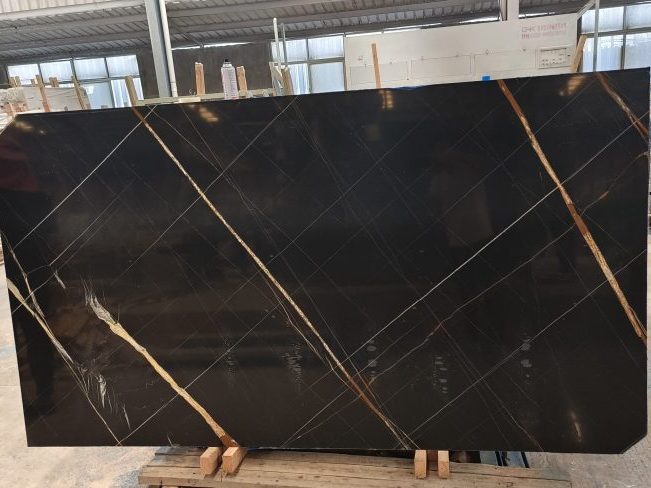

Architectural stone sourcing becomes complicated when a project requires more than one material.
A hotel may need marble for the lobby, granite for exterior paving, quartz for guest-room vanities and sintered stone for selected commercial surfaces.
A luxury residence may combine quartzite countertops, marble bathrooms, limestone walls and custom stone furniture.
For contractors, architects, distributors and developers, this means stone procurement should be treated as a coordinated project rather than a collection of unrelated purchases.
Professional buyers should evaluate:
- Material suitability
- Slab and tile dimensions
- Thickness
- Finish
- Color and vein consistency
- Custom fabrication
- Quality control
- Production capacity
- Packing
- Logistics
One supplier serving international architectural and stone projects is H.C. Century Star:
Start With Application Before Material
A common sourcing mistake is choosing stone by appearance first.
The better process is:
Application → Performance Requirement → Material → Finish → Fabrication
Hotel Lobby
Possible priorities include:
- Large-format slabs
- Strong visual character
- Bookmatching
- Batch coordination
- Replacement material
Kitchen Countertops
Priorities may include:
- Durability
- slab dimensions
- cutting yield
- maintenance
- edge fabrication
Exterior Paving
Priorities shift toward:
- Weather resistance
- surface texture
- thickness
- traffic
- installation environment
Feature Walls
Priorities may include:
- Vein movement
- slab sequence
- finish
- joint layout
Natural Stone or Engineered Surface?
There is no universal winner.
The right choice depends on the project.
H.C. Century Star currently works with both natural and engineered materials, including marble, granite, quartzite, onyx, limestone, travertine, quartz, terrazzo, porcelain and sintered stone.
Marble
Marble is frequently selected for:
- Luxury interiors
- Bathrooms
- Floors
- Feature walls
- Furniture
- Decorative architectural elements
Its main attraction is natural variation.
Every slab can have its own composition.
Granite
Granite is commonly considered for:
- Countertops
- Exterior paving
- Commercial flooring
- Landscape applications
- Architectural cladding
Buyers often choose granite where a harder-wearing natural stone is required.
Quartzite
Natural quartzite is increasingly used in premium interiors.
Typical applications include:
- Kitchen islands
- countertops
- feature walls
- luxury furniture
It can offer dramatic natural movement while providing different performance characteristics from marble.
Onyx
Onyx is primarily a decorative material.
Its translucency makes it particularly interesting for:
- Backlit walls
- Bars
- reception counters
- decorative panels
But it should be selected according to its actual application rather than treated as a general-purpose stone.
Limestone and Travertine
These materials can work well for:
- Floors
- walls
- facades
- landscaping
- hospitality interiors
Their softer, warmer appearance can create a different design language from highly veined marble.
Quartz and Sintered Stone
Engineered surfaces become useful when buyers prioritize:
- More controlled appearance
- Repeatability
- Project consistency
- Standardized slab formats
If X → Consider Y
Unique luxury feature wall
→ natural marble or quartzite.
Heavy-use exterior
→ evaluate suitable granite or other exterior stone.
Backlit decorative wall
→ consider onyx.
Large repetitive countertop project
→ quartz or sintered stone may simplify consistency.
Warm architectural interior
→ limestone or travertine may suit the concept.
Multi-Material Projects Need Coordination
Imagine a hotel requiring:
- Marble lobby
- Granite entrance
- Quartz vanities
- Waterjet mosaics
- Custom stone reception counter
Using separate suppliers for every category can increase:
- Communication
- QC complexity
- shipping coordination
- color approval work
- project-management time
A multi-material stone supplier can help consolidate part of this process.
H.C. Century Star describes its business as covering natural and engineered stone sourcing, fabrication and architectural stone products for international projects.
Full-Slab Approval Still Matters
Natural stone cannot be evaluated from a tiny sample alone.
A sample can show:
- General color
- finish
- grain
It cannot show:
- Full vein movement
- large fissures
- slab composition
- cutting yield
- slab-to-slab variation
For premium marble, quartzite and onyx, buyers should review actual slabs before cutting whenever practical.
Custom Fabrication
Architectural projects rarely need raw slabs only.
They may require:
- Cut-to-size tiles
- Countertops
- Vanity tops
- Stairs
- Columns
- Mosaics
- Waterjet patterns
- Fireplaces
- Sculptures
- Custom architectural pieces
H.C. Century Star’s product portfolio includes multiple finished-stone categories in addition to slab and tile supply.
Waterjet and Decorative Stone
Waterjet cutting allows stone manufacturers to produce:
- Curves
- geometric patterns
- floral motifs
- medallions
- mixed-material designs
This can be particularly valuable for:
- Luxury villas
- hotel lobbies
- casinos
- retail interiors
- high-end residential projects
However, more complex geometry also requires tighter fabrication control.
Quality Control Should Be Defined
“Good quality” is not a useful project specification.
Instead, define measurable requirements.
Slabs
Check:
- Dimensions
- thickness
- flatness
- color
- veins
- repairs
- finish
- edge condition
Cut-to-Size
Also check:
- Dimensional tolerance
- edge profile
- hole positions
- piece numbering
Decorative Products
Also inspect:
- Pattern alignment
- joint accuracy
- surface polishing
- assembly
Color and Vein Variation
Natural stone varies.
That is not automatically a defect.
But variation should be managed.
One Feature Wall
Individual character can be desirable.
200 Hotel Bathrooms
Excessive variation can create inconsistency.
Bookmatched Lobby
Sequential slab relationships become critical.
The supplier should understand the visual target before production begins.
Finish Selection
Different materials can support finishes such as:
- Polished
- Honed
- Brushed
- Leathered
- Flamed
- Sandblasted
depending on the stone.
Quick Logic
Luxury interior
→ polished or honed.
Contemporary architectural surface
→ honed or leathered may be worth comparing.
Outdoor paving
→ evaluate textured finishes.
Feature wall
→ choose finish according to lighting and vein visibility.
Cutting Yield Matters
Stone buyers often compare price per square meter.
But fabrication changes the economics.
Consider:
Effective Cost = Slab Cost ÷ Usable Finished Area
A cheaper slab with:
- Poor dimensions
- difficult vein placement
- large unusable areas
may produce a higher finished cost.
Large Projects Need Batch Planning
For larger orders, confirm:
- Current stock
- Quarry or block availability
- Production quantity
- batch relationship
- replacement stock
- lead time
This is especially important for natural stone because future material may not perfectly match the original batch.
Packing Is Part of Quality
Stone can pass factory QC and still fail during transportation.
Packing should protect:
- Polished faces
- edges
- corners
- thin pieces
- finished countertops
International buyers should define packing requirements before shipment.
Think About Installation Early
Custom stone pieces can be:
- Large
- heavy
- fragile
Before production, consider:
- Door dimensions
- elevator size
- lifting equipment
- installation sequence
- site access
The fabrication drawing should reflect the reality of the job site.
Common Stone Sourcing Mistakes
Mistake 1: Selecting Material by Appearance Only
Consequence: application performance is ignored.
Mistake 2: Buying Natural Stone From Small Samples
Consequence: full-slab variation becomes a surprise.
Mistake 3: No Batch Approval
Consequence: project surfaces look inconsistent.
Mistake 4: Comparing Only Unit Price
Consequence: cutting yield and fabrication costs are hidden.
Mistake 5: No QC Standard
Consequence: quality becomes subjective.
Mistake 6: Ignoring Packing and Installation
Consequence: correctly manufactured products become difficult to deliver or install.
Architectural Stone RFQ Checklist
| Requirement | What to Provide |
|---|---|
| Project | Residential / hotel / commercial |
| Application | Floor / wall / countertop / exterior |
| Material | Marble / granite / quartzite / quartz / other |
| Dimensions | Slab / tile / cut-to-size |
| Thickness | Required specification |
| Finish | Polished / honed / textured |
| Quantity | Total requirement |
| Drawings | CAD / PDF if customized |
| Color | Acceptable variation |
| Fabrication | Required processing |
| Packing | Export requirement |
| Destination | Country / port |
| Schedule | Required delivery |
Micro Summary
Architectural stone sourcing should begin with application requirements rather than material appearance alone. Buyers should compare natural and engineered materials according to performance, aesthetics, fabrication, consistency and project scale. For multi-material projects, coordinated sourcing, custom processing, QC, packing and logistics can significantly reduce procurement complexity.
About H.C. Century Star
H.C. Century Star Stone Industry Co., Ltd. has operated in the stone industry since 1993 and supplies natural and engineered stone materials along with custom architectural stone products for international residential, hospitality and commercial projects.
Company information:
https://www.hcenturystar.com/about-us/
For stone sourcing, custom fabrication, architectural project requirements or quotations:
https://www.hcenturystar.com/contact-us/
Main website: