



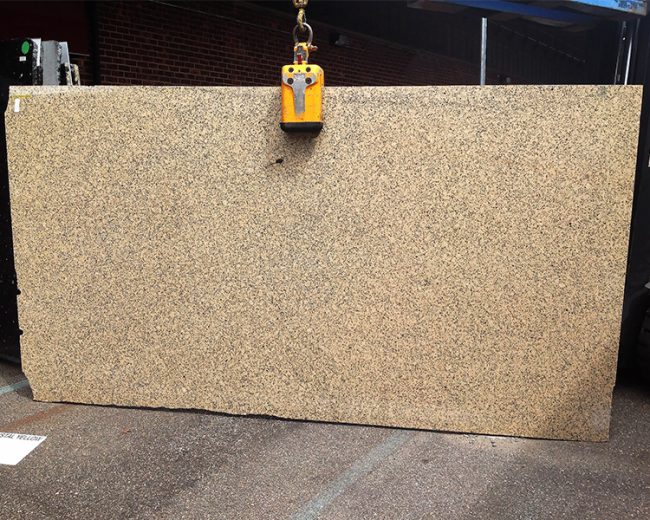
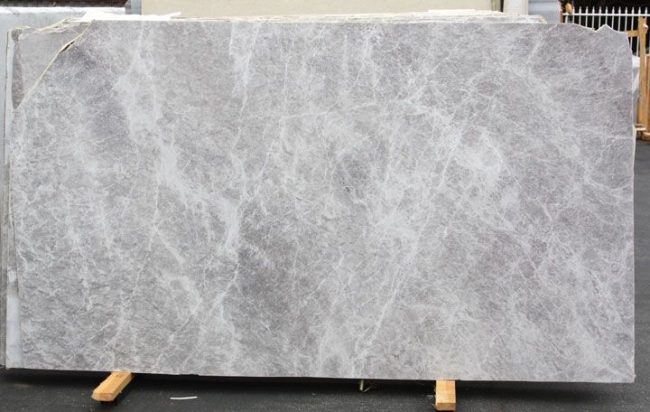
Quick Summary: Procurement teams sourcing Soft Beige Marble for a kitchen island should manage the order as a complete fabricated package rather than a simple slab purchase. The process should include actual slab approval, acceptable beige color range, vein and fossil review, slab yield, supplier verification, factory capability, CAD cutting layouts, sink and cooktop coordination, mitered edges, waterfall panels, seating-overhang support, staged quality control, reinforced export packing, and delivery documentation. Commercially traded beige stones such as Crema Marfil, Daino Reale, Botticino, Oman Beige, and other warm cream materials can vary substantially in tone, mineral movement, natural features, slab dimensions, and fabrication behavior. The safest procurement decision is based on current slab evidence, realistic engineering, transparent scope, and documented approvals from material reservation through shipment.
Why Buyers Misjudge Soft Beige Marble Suppliers
Soft Beige Marble often looks easier to source than strongly veined white or dark marble. The color appears neutral, the movement may seem restrained, and a small sample can give the impression that most slabs will look similar. For a large custom kitchen island, that assumption can create expensive problems.
Beige natural stone may vary from pale cream and ivory to warm sand, taupe, honey, or slightly pink-beige. Some slabs contain fine veins, fossils, cloudy patches, calcite lines, open features, or darker mineral areas. When several slabs are required for an island top, waterfall panels, edge strips, and spare pieces, small differences can become obvious.
Buyers also misjudge quotations when they compare only the material price. One supplier may quote unfinished slabs, another may include cutting but exclude mitering, and another may include fabrication but use basic packaging unsuitable for a long island top with a sink opening.
The commercial comparison should therefore be based on the complete delivered scope rather than a single square-meter rate.
A Small Beige Sample Can Hide Significant Variation
A 100 mm or 200 mm sample can confirm a general color family and surface finish, but it cannot represent a three-meter island. It does not show the full distribution of fossils, veins, natural fissures, resin repairs, tonal zones, or slab-edge conditions.
Procurement teams should approve numbered full slabs under comparable lighting. When several slabs are needed, they should be photographed together so the buyer can evaluate the complete color range rather than approving each slab independently.
Commercial Marble Names Require Technical Verification
The international stone trade uses commercial categories that do not always match strict geological classifications. Some beige stones marketed within the marble category may geologically belong to limestone or other carbonate-stone groups.
This does not make the material unsuitable, but procurement teams should evaluate the actual stone, technical information, finish, absorption behavior, natural features, and fabrication experience instead of assuming that every product sold as “beige marble” behaves identically.

Design Logic: Turn the Island Concept into a Procurement Specification
The stone should not be selected before the island geometry is understood. Procurement teams need an approved design brief showing overall size, cabinet layout, visible elevations, sink or cooktop location, seating overhang, waterfall ends, edge thickness, seams, surrounding cabinet colors, flooring, fixtures, and lighting.
Soft beige stone generally performs visually best when its tone is coordinated with warm oak, walnut, cream, greige, champagne metal, bronze, or restrained white cabinetry. However, the procurement specification must go beyond color compatibility.
A quiet beige slab may work well for a complex island with several openings because interruptions are less visually disruptive. A slab with stronger linear movement may be better suited to a long uninterrupted island where its pattern can remain visible.
The most important viewing elevation should also be identified. If the island faces a dining or living area, the best slab section may need to be allocated to the seating elevation and waterfall end rather than the working side.
Material Logic: Source the Actual Beige Slabs
Define the Acceptable Color Range
“Soft beige” is too broad to serve as a purchasing standard. Buyers should define whether the target is creamy ivory, warm beige, pale taupe, beige-grey, or a slightly golden tone.
Reference samples and full-slab photographs can establish an acceptable range. The specification should also identify unacceptable extremes, such as strong yellow sections, dark brown patches, excessive pink tones, or unusually dense fossils if these conflict with the design.
Review Representative Beige Marble Families
Crema Marfil is widely associated with a warm cream-to-beige appearance and can include fine veins, fossils, or tonal movement. Daino Reale can show warmer beige and flowing linear structures. Botticino-type material is often cream to beige with restrained fossils or fine movement. Oman Beige and other Middle Eastern beige stones may provide different cream, sand, or warm beige ranges.
These names should be treated as sourcing directions rather than guarantees. Quarry layer, block, slab processing, finish, grading, and current inventory determine the material actually supplied.
Inspect Fissures, Fossils, and Filled Areas
Natural beige stone frequently includes geological features that influence both appearance and cutting decisions. A fossil or vein may be visually acceptable across a broad countertop but unsuitable when it passes through a narrow sink rail or mitered edge.
The supplier should identify obvious fissures, resin fills, mesh reinforcement, patched areas, or other treatments before the cutting layout is approved.
Check Slab Dimensions Against the Island
Usable slab dimensions can have more impact on total project cost than the advertised square-meter price. A long island may fit efficiently into one slab orientation but require an additional slab if vein direction or waterfall continuity changes the layout.
Buyers should request actual slab dimensions and a preliminary CAD nesting before confirming material quantity.
Procurement teams comparing broader natural-stone categories can review CENTURY STAR’s Natural Stone Guide covering key types, features, and applications.

Supplier Logic: What Procurement Teams Should Verify
Current Inventory Evidence
The supplier should provide current photographs and videos of the exact slabs being offered. Each slab should have a reference number, dimensions, thickness, finish, and quantity information.
Completed-project photography is useful for understanding capability, but it should not replace evidence of current inventory.
Material Reservation Process
Once slabs are approved, the supplier should reserve and identify them so they are not accidentally allocated to another project. For larger orders, the buyer should understand whether the slabs come from the same block, batch, production lot, or a visually matched group.
Drawing Capability
The supplier should convert architectural or cabinet information into a controlled stone shop drawing. The drawing should include finished dimensions, seams, waterfall panels, mitered edges, openings, faucet holes, overhangs, edge profiles, reinforcement areas, and piece numbers.
Production should not rely on dimensions copied from informal messages or screenshots.
Commercial Transparency
A professional quotation should distinguish material, fabrication, packaging, freight, and optional services. Buyers should be able to see the cost impact of mitered edges, sink openings, cooktop cutouts, reinforced areas, dry laying, special finish, and export packing.
For broader sourcing due diligence, buyers can review CENTURY STAR’s marble sourcing, factory audit, and quality-control guide.
Factory Logic: Verify Real Kitchen Island Fabrication Capability
A supplier may have excellent slabs but still fail if the fabrication factory lacks experience with large natural-stone islands. Procurement teams should confirm where production will occur and how each critical operation will be controlled.
Relevant Production Equipment
Kitchen island fabrication may involve bridge saw cutting, CNC machining, waterjet work, edge polishing, drilling, reinforcement, miter cutting, bonding, surface finishing, and dry laying.
Equipment should be supported by experienced operators. Natural beige stone can contain veins or fissures that require adjustment during cutting rather than blind execution of the nesting drawing.
Mitered Edge Capability
Mitered edges are commonly used to create the appearance of a thicker island. A good result requires accurate 45-degree cuts, controlled adhesive, appropriate reinforcement, consistent edge color, and careful final finishing.
Procurement teams should request close-up examples of completed miters. Wide project images may not reveal chips, open joints, adhesive lines, or uneven polishing.
Waterfall Panel Fabrication
Waterfall ends make slab allocation more demanding. The top and vertical panel should be planned together so the beige tone, fossil distribution, and directional movement remain coherent.
The goal should be an intentional visual transition rather than an unrealistic promise of perfect continuity from every natural slab.
Handling Large Components
Long island tops should be moved using appropriate lifting devices, padded supports, and rigid handling methods. Repeated manual movement can increase the risk of damage around openings and narrow rails before the pieces even reach the packing area.

Quality Control Logic: Inspect the Order in Stages
1. Material Inspection
Verify the approved slab numbers, color range, dimensions, thickness, finish, natural veins, fossils, fissures, resin treatment, repaired areas, mesh backing where applicable, and existing edge damage.
2. Cutting-Layout Inspection
Before cutting, compare the CAD layout with the approved slabs. Confirm which areas will become the main countertop, waterfall panels, edge strips, backsplash pieces, and spare material.
Strong natural features should be reviewed around sink rails, cooktop openings, miter strips, and long unsupported zones.
3. Dimensional Inspection
Finished pieces should be measured against the approved shop drawings. Check length, width, thickness, squareness, sink and cooktop cutouts, faucet holes, seam interfaces, edge dimensions, and waterfall-panel geometry.
4. Surface and Edge Inspection
Check for scratches, chips, uneven sheen, visible repairs, open fissures, inconsistent edge polish, miter defects, adhesive contamination, and corner damage.
Inspection lighting should be neutral enough to reveal color variation rather than hide it under overly warm or dramatic light.
5. Dry-Lay Confirmation
The major components should be arranged according to the island configuration where practical. The buyer should receive overall views and close-up photographs showing slab relationships, waterfall transitions, seams, edge joints, and openings.
6. Packing Inspection
Before closure, confirm all component numbers, temporary supports, foam protection, edge guards, waterproof wrapping, crate fixing, spare pieces, and correspondence with the packing list.
Engineering Reality Before Production
Finalize Cabinetry First
Stone dimensions depend on the finished cabinet geometry. Cabinet widths, end panels, service voids, appliance housings, fillers, seating structures, and support rails should be finalized before stone production.
Even a small cabinet revision can affect waterfall-panel height, overhang depth, seam location, or appliance clearance.
Use Final Sink and Appliance Information
The fabricator should receive approved templates or technical drawings for sinks, cooktops, faucets, pop-up sockets, dispensers, and other openings. Approximate cutout dimensions increase the risk of incompatible fabricated pieces.
Control Narrow Rails Around Cutouts
Large sink and cooktop openings leave narrow stone sections that can be vulnerable during handling. The fabricator should review their width, natural features, reinforcement requirements, and temporary transport support.
Plan Seating Overhang Support
A long marble overhang should not depend entirely on the stone itself. Support requirements depend on thickness, stone condition, overhang depth, span, loading, and cabinet structure.
Hidden steel frames, brackets, rails, or cabinet reinforcement may be required. These elements should be coordinated before fabrication.
Set Realistic Maintenance Expectations
Soft beige marble and other carbonate stones can react with acidic foods and cleaners. They can also stain, scratch, or develop changes in sheen during use.
Sealing may reduce absorption but does not make marble completely stain-proof and does not prevent acid etching. The procurement team should ensure that the end client understands these characteristics before material approval.
Packaging, Shipping, and Delivery Risk
Design the Crate Around the Components
A kitchen island package should not be packed as if it were ordinary tiles. Large countertops, narrow sink rails, miters, and waterfall ends each have different vulnerability points.
Finished components should be protected with foam, separators, edge guards, waterproof materials, secure internal fixing, and reinforced fumigated wooden crates.
Reinforce Large Openings
Sink and cooktop openings may need temporary bars, rigid backing, or other transportation reinforcement to reduce flexing during handling.
Temporary supports should be identified clearly so installers understand their purpose and removal sequence.
Protect Mitered Edges
Thin mitered lips can chip if they contact another stone component or crate structure. Dedicated edge guards and separation should be included around vulnerable profiles.
Coordinate the Packing Sequence
Piece numbers should match the shop drawing, dry-lay record, and packing list. Packing should consider the intended installation order so the site team does not need to repeatedly move heavy finished stone to locate one component.
Confirm Site Access Before Dispatch
The buyer should review piece dimensions, crate dimensions, component weights, unloading equipment, doors, lifts, stairs, corridors, and installation manpower.
A long island top or waterfall panel that cannot reach the installation area creates a logistics problem that cannot be solved by excellent fabrication.
Document the Shipment
Keep pre-shipment QC photographs, packing images, crate lists, commercial documents, and freight records. Where cargo insurance applies, the buyer should understand the evidence required for a claim.
Procurement Logic: Compare the Complete Project Package
Do Not Budget from Finished Area Alone
The final island area is not the same as the purchased slab area. Material consumption is affected by slab dimensions, natural defects, vein orientation, waterfall panels, edge strips, sink openings, seams, and spare pieces.
CAD nesting provides a much more accurate material requirement than multiplying island length by width.
Separate the Main Cost Categories
Procurement teams should compare material, fabrication, edge work, cutouts, mitering, reinforcement, dry laying, packaging, freight, insurance, and delivery scope separately.
This makes supplier comparisons more transparent and reduces disputes about services that were assumed but never included.
Consider Spare Material
A replacement piece sourced months later may not match the original beige batch. High-value villas, multi-unit projects, and phased developments should consider reserving suitable spare material from the approved slabs.
Evaluate Supplier Value, Not Only Price
A more expensive supplier may offer better slab yield, stronger CAD support, more precise fabrication, documented QC, better packaging, and lower replacement risk. Procurement value should therefore include the probability of receiving an installable package on schedule.
Buyers comparing wider material options can also browse CENTURY STAR’s Marble material collection before final supplier and slab selection.
Global and Market Insight
International natural-stone procurement is increasingly based on digital evidence. Buyers now commonly review full-slab videos, numbered slab photographs, CAD layouts, remote factory inspections, dimensional reports, dry-lay images, and packing records before shipment.
This is particularly useful for soft beige stone because subtle color variation can be difficult to describe in text. A controlled photo and video approval process allows designers, procurement teams, and factories to align on an acceptable visual range.
Another sourcing trend is greater attention to usable yield rather than nominal slab price. A slightly more expensive beige batch with larger clean slabs can sometimes produce a lower total island cost than cheaper slabs requiring additional material because of defects or unsuitable dimensions.
Professional buyers are also becoming more cautious about commercial material names. Actual slab evidence, technical suitability, fabrication experience, maintenance expectations, and delivered cost increasingly carry more weight than the prestige of a particular stone name.
Soft Beige Marble Kitchen Island Supplier Evaluation Table
| Evaluation Area | Evidence to Request | Warning Sign | Procurement Action |
|---|---|---|---|
| Actual slab availability | Numbered current slab photos, videos, dimensions, thickness, and quantity | Only samples, catalog images, or old project photos | Approve and reserve actual slabs before production |
| Color consistency | All required slabs shown together under comparable lighting | Only the best individual slab is presented | Define an acceptable beige color range |
| Natural features | Close-ups of fissures, fossils, repairs, resin, and mesh reinforcement | Supplier avoids detailed slab photographs | Map important features before approving the cutting layout |
| Factory capability | Large-island work, miter details, cutouts, equipment, and dry-lay evidence | Fabrication location or responsibility is unclear | Verify the factory before releasing production |
| Engineering control | Approved shop drawings, appliance templates, supports, seams, and edge details | Production starts from preliminary measurements | Release cutting only after final written drawing approval |
| Quality control | Material, dimensional, surface, dry-lay, and packing inspection records | Only closed-crate photographs are supplied | Establish staged QC approval points |
| Packaging | Foam, edge guards, temporary supports, waterproof protection, and reinforced crates | Custom island parts are packed like standard tiles | Approve the packing method before shipment |

Common Procurement Mistakes
Specifying Only “Beige Marble”
The term is too broad for purchasing control. The buyer should define color range, finish, natural-feature tolerance, slab dimensions, and actual approved material.
Approving Slabs Under Different Lighting
Warm and cool lighting can make beige stone appear significantly different. Slabs should be compared under reasonably consistent lighting conditions.
Ignoring Natural Features During CAD Layout
A fossil, fissure, or strong vein can become risky when positioned through a narrow sink rail or mitered strip. Cutting safety should be reviewed together with appearance.
Buying Only by Net Square Meter
Finished island area does not account for slab yield, waterfall panels, defects, edge strips, vein direction, or spare material.
Starting Fabrication Before Cabinet Approval
Changes to cabinetry, sinks, cooktops, support frames, or overhangs after cutting can make finished components unusable.
Assuming Beige Marble Is Maintenance-Free
A soft neutral color may hide some visual marks better than dark stone, but the material can still etch, stain, scratch, and develop patina.
Reducing Packaging to Save a Small Cost
Poor protection can cause losses far greater than the original packing savings, particularly around miters, large openings, and waterfall panels.
FAQ
1. How should procurement teams verify a Soft Beige Marble supplier?
They should verify current numbered slab inventory, company and factory information, similar island fabrication experience, CAD capability, quality-control procedures, dry-lay space, packaging methods, export experience, and communication discipline.
2. Is a small beige marble sample enough for purchasing approval?
No. A sample cannot show full-slab color variation, fossils, fissures, repairs, usable dimensions, or compatibility between several slabs. Actual numbered slabs should be reviewed before reservation and cutting.
3. What QC evidence should buyers request before shipment?
Buyers should request approved slab photographs, CAD cutting-layout confirmation, dimensional inspection records, close-ups of cutouts and edges, full dry-lay photographs, piece numbering, reinforcement details, packing photographs, and the final packing list.
4. How should a Soft Beige Marble kitchen island be packed for export?
Finished pieces should use foam, separators, edge guards, waterproof protection, rigid reinforcement around vulnerable openings, secure internal fixing, and reinforced fumigated wooden crates designed for the actual component sizes.
5. Which Soft Beige Marble is best for a kitchen island?
There is no universal best material. Crema Marfil, Daino Reale, Botticino-type stone, Oman Beige, and other soft beige materials offer different tones and natural structures. The final choice should depend on actual slab quality, dimensions, visual range, fabrication requirements, budget, and maintenance expectations.
6. What should procurement teams compare before placing an order?
They should compare actual approved slabs, gross material quantity, cutting yield, finish, fabrication scope, openings, reinforcement, seams, waterfall panels, edge details, QC records, packing, lead time, logistics scope, spare material, and replacement procedures rather than comparing slab price alone.
Final Note / Practical Takeaway: Procurement teams source Soft Beige Marble for kitchen island projects successfully when they control the entire sequence from color definition and slab reservation through fabrication and delivery. The buyer should approve the actual slabs, define an acceptable beige range, identify natural features, verify the fabrication factory, approve CAD layouts before cutting, coordinate cabinet support and appliance openings, inspect the project in stages, review the complete dry layout, and approve packaging designed around the finished pieces. The strongest purchasing decision is not simply the cheapest beige marble slab; it is the package that delivers the approved visual range, practical slab yield, accurate fabrication, documented quality, and manageable installation risk.
References
- Natural Stone Institute. Dimension Stone Design Manual, current applicable edition.
- Natural Stone Institute. Natural Stone Care and Maintenance Guidance, current applicable guidance.
- ASTM International. ASTM C503/C503M, Standard Specification for Marble Dimension Stone.
- ASTM International. ASTM C1528/C1528M, Standard Guide for Selection of Dimension Stone.