


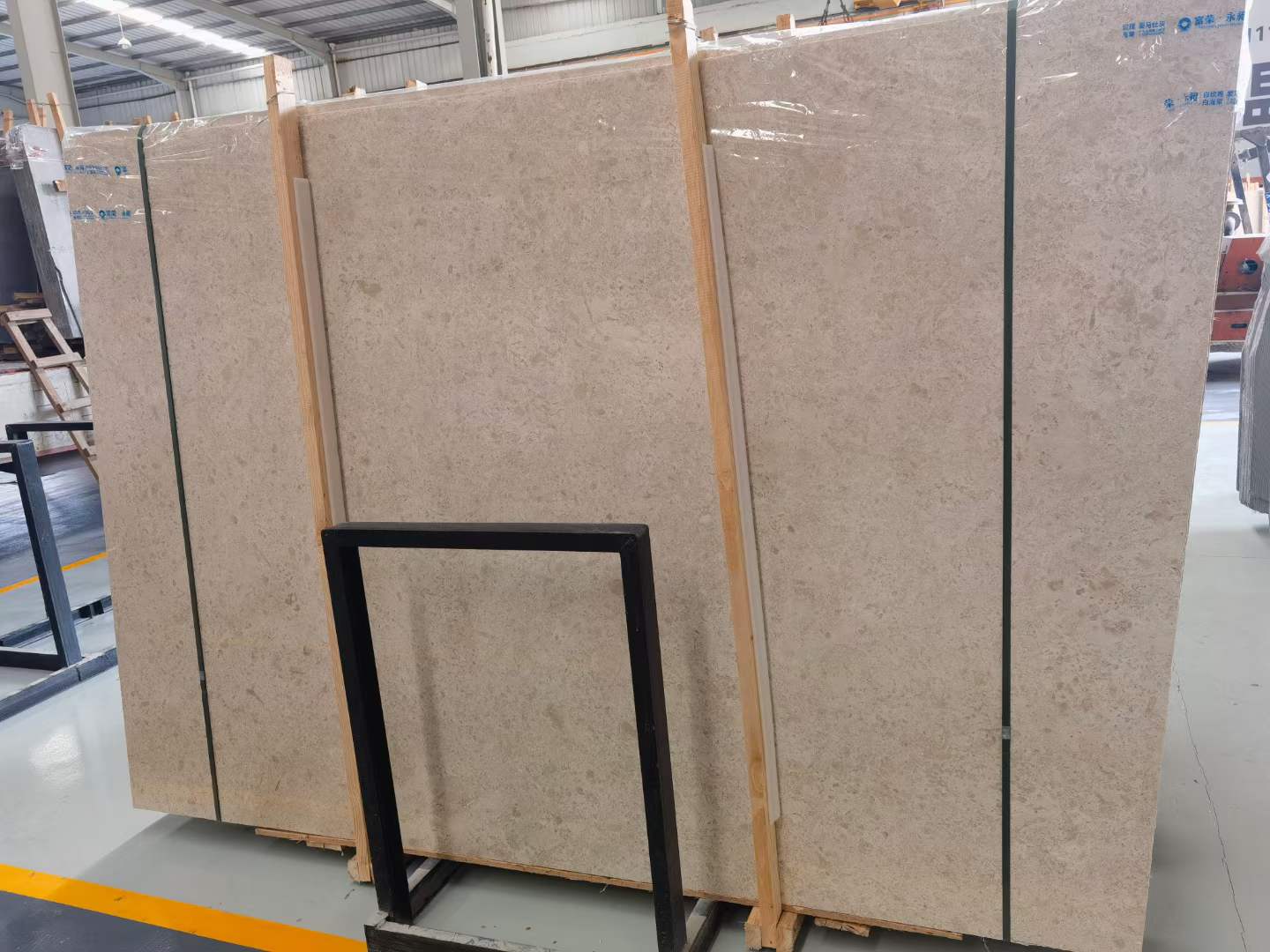
Quick Summary: A useful sintered stone supplier checklist for luxury shower wall jobs should evaluate far more than slab color and price. Procurement teams need to verify the exact product, current slab or panel availability, declared technical data, finish and thickness options, large-format fabrication capability, fixture and niche cutouts, edge treatment, shop drawings, panel numbering, staged quality control, protective packaging, site access, and shipment documentation. Sintered stone can support large-format luxury shower walls with controlled visual consistency and relatively few joints, but different products may have different thicknesses, backing systems, fabrication limits, and installation requirements. The safest supplier is therefore the one that can document the complete path from selected material through fabrication, QC, packing, and installation coordination.
Why Buyers Misjudge Sintered Stone Suppliers
Sintered stone is often presented as a straightforward manufactured slab product. Buyers may receive a sample, select a marble-look pattern, request a square-meter price, and assume that suppliers offering similar-looking materials are providing equivalent products and project support.
That assumption can create significant risk on a luxury shower wall project. Two products that appear similar in photographs may differ in slab dimensions, thickness, surface structure, backing, edge appearance, fabrication requirements, technical documentation, available inventory, and recommended installation methods.
The supplier may also be capable of selling full slabs but inexperienced in producing a complete large-format shower-wall package. Luxury bathrooms frequently require valve openings, niches, benches, returns, external corners, wall-mounted fixtures, glass interfaces, and precise panel sequencing. These details turn the purchase into an engineered fabrication package rather than a commodity slab order.
A Sample Does Not Prove Project Availability
A small sample confirms only a limited area of the design and finish. It does not prove that enough full-size panels are currently available for the project or that several pieces can be supplied within an acceptable visual range.
For a luxury villa bathroom, hotel suite, or multi-room hospitality project, buyers should review the actual material intended for production and confirm available quantity before releasing the order.
Visual Similarity Does Not Mean Technical Equivalence
Procurement teams should not assume that every product marketed as sintered stone behaves identically. Product composition, production method, thickness, format, backing, finish, edge treatment, and technical guidance can vary by manufacturer and product line.
The supplier should identify the exact selected product and provide current product-specific documentation rather than relying on generic claims about the entire sintered stone category.

Design Logic: Define the Shower Wall Package Before Supplier Selection
A reliable sourcing process begins with the bathroom design. The supplier needs to know whether the material will cover one feature wall, three sides of a walk-in shower, an entire wet room, niches, benches, vanity backsplashes, or adjacent decorative wall areas.
The design package should identify wall dimensions, finished ceiling height, panel orientation, preferred joint positions, surface design, finish, shower controls, outlets, niches, benches, glass fittings, external corners, and transitions to other materials.
Large-format sintered stone is most effective when the panel layout preserves the scale of the design while minimizing unnecessary joints. However, reducing joints should not result in panels that are impractical to cut, crate, transport, carry through the building, or install safely.
Procurement teams reviewing initial material directions can use CENTURY STAR’s sintered stone material collection before preparing the final RFQ and shop-drawing package.
Material Logic: Verify the Exact Sintered Stone Product
Confirm Product, Design, Finish, and Thickness
The purchase specification should identify the exact product or approved equivalent, color or design, surface finish, nominal thickness, panel format, and required quantity. A description such as “Calacatta-look sintered stone” is not sufficient for production control.
If substitutions are allowed, the approval process should define which characteristics must remain comparable, including appearance, thickness, available dimensions, finish, edge appearance, fabrication compatibility, and documented performance.
Review Current Technical Documentation
The supplier should provide the current technical sheet for the exact selected product. Procurement teams should review declared water absorption, breaking or flexural information where provided, surface resistance information, care guidance, fabrication recommendations, and application limitations.
Where a manufacturer declares compliance with relevant ceramic or large-format slab standards, the procurement record should identify the applicable test or standard instead of relying only on promotional descriptions.
Confirm Available Thickness
Sintered stone is produced in different thicknesses depending on the manufacturer and product range. Thin material may be suitable for some vertical wall applications, while thicker panels may be selected for exposed edges, benches, shelves, or specific fabrication details.
One thickness should not be substituted for another without review because the change can affect weight, edge appearance, cutting behavior, handling, adhesive selection, and installation.
Check Backing and Reinforcement
Some large-format products may use mesh or other factory-applied backing while others are supplied without it. Buyers should confirm the exact condition of the panel and ensure that the fabricator and installer understand its implications for cutting and bonding.

Supplier Logic: What Should Be on the Checklist?
1. Company and Project Experience
Verify the supplier’s business identity, export capability, technical communication, and experience with large-format fabricated wall panels. Project references involving complete bathrooms or architectural wall systems are more relevant than references showing only raw slabs.
2. Current Material Availability
Request current photographs or video of the selected product together with available panel dimensions, thickness, finish, quantity, and batch information where available. Completed-project photographs should not replace current inventory evidence.
3. Technical Document Control
The supplier should be able to provide product data sheets, fabrication guidance, installation recommendations, care information, and manufacturer documentation relevant to the selected material.
4. CAD and Shop-Drawing Capability
A serious project supplier should convert architectural drawings and verified site dimensions into fabrication drawings. These drawings should show panel sizes, joints, fixture openings, niches, benches, corner details, edge treatments, and piece numbers.
5. Revision Control
Every drawing revision should be identifiable. Production should not proceed from uncontrolled screenshots, preliminary attachments, or dimensions scattered across multiple messages.
General supplier due diligence can also follow CENTURY STAR’s guide on how to evaluate a reliable natural stone factory and supplier.
Factory Logic: Verify the Real Fabrication Route
The procurement team should know where the panels will actually be cut, drilled, finished, inspected, and packed. A supplier may operate its own fabrication facility or coordinate a specialist partner. Either structure can work when production responsibility and quality control are clear.
Large-Format Cutting Capability
The factory should have equipment suitable for the selected format and thickness. Depending on the design, production may involve bridge cutting, CNC processing, waterjet cutting, drilling, edge finishing, mitering, bonding, and controlled handling.
Large panels must remain adequately supported during fabrication. Poor support or an inappropriate cutting sequence can increase risk around narrow sections and openings.
Experience with Shower Fixture Openings
Luxury shower walls may include concealed mixer openings, thermostatic controls, body sprays, hand-shower outlets, shower-head arms, electrical controls, and glass fittings.
The fabricator should understand the relationship between opening size, internal corner geometry, spacing between holes, distance from panel edges, and the product manufacturer’s fabrication guidance.
Niche and Bench Fabrication
Built-in niches may require back panels, side returns, shelves, miters, and coordinated pattern sections. Shower benches can require horizontal surfaces, fascia pieces, edge details, and slope coordination.
These components should appear on the shop drawings before the main wall panels are cut. Treating niches and benches as late additions can create mismatched material and unnecessary joints.
Panel Handling Capability
Large-format pieces require suitable racks, padded work surfaces, lifting equipment, suction systems where appropriate, and trained handling procedures. Finished panels should not be repeatedly flexed, dragged, or rested directly on vulnerable edges.

Quality Control Logic: Build Inspection into the Order
Quality control should be divided into defined stages. A final inspection cannot correct the wrong material, an outdated drawing, or an incorrectly positioned opening after fabrication is complete.
1. Incoming Material Inspection
Confirm product identity, design, finish, thickness, dimensions, quantity, surface condition, backing, and batch information where applicable. Approved material should be separated and clearly identified before cutting begins.
2. Drawing and Cutting-Plan Inspection
Compare the production files with the latest approved elevations. Check panel orientation, joint locations, valve openings, niche pieces, bench components, returns, corners, and spare pieces.
3. Dimensional Inspection
Measure panel length, width, squareness, opening positions, hole diameters, niche components, return dimensions, and edge details against the approved fabrication drawings.
4. Surface and Edge Inspection
Check finished surfaces for scratches, chips, marks, finish variation, edge defects, damaged corners, and fabrication marks. Special attention should be given to exposed corners and narrow sections surrounding cutouts.
5. Layout and Sequence Inspection
Where practical, completed pieces should be reviewed in their intended sequence. This helps confirm pattern direction, panel relationships, joint logic, niche alignment, and piece numbering before packing.
6. Packing Inspection
Verify all panels against the final packing list before crates or frames are closed. Inspection photographs should show panel condition, edge protection, cutout reinforcement, identification numbers, internal fixing, and completed packaging.
Engineering Reality Before Production
Sintered Stone Is Not the Waterproofing System
The decorative wall panel and the wet-area waterproofing assembly perform different functions. The building contractor must provide the appropriate substrate, membrane, penetration detailing, drainage coordination, and movement treatment required by the project system and local construction requirements.
A high-performance surface panel cannot compensate for incomplete waterproofing behind the wall.
Confirm Substrate Flatness
Large-format panels require a controlled and stable substrate. Excessive wall variation can create poor adhesive coverage, uneven joints, panel stress, lippage, and difficult corner alignment.
Site conditions should therefore be checked before final fabrication dimensions are released.
Coordinate Every Fixture Position
Valve centers, shower-head outlets, hand-shower brackets, body jets, niches, bench heights, glass fittings, electrical controls, and other penetrations should be confirmed before factory cutting.
Late drilling on site can increase the chance of panel damage and can complicate waterproofing around penetrations.
Review Internal Cutout Geometry
Cutouts should follow the selected product’s technical guidance. Sharp internal corners, narrow bridges between openings, and holes placed too close to panel edges can create avoidable fabrication risk.
Plan External Corners
External corners may use mitered sintered stone, finished exposed edges, metal profiles, or another approved system. The decision should reflect thickness, visual requirements, fabrication tolerance, installation tolerance, and impact exposure.
Check Installation Access
The maximum panel size should not be determined by slab dimensions alone. Procurement teams should confirm building entrances, elevators, stairs, corridors, bathroom doors, ceiling height, glass-installation sequence, lifting space, and installer capability.
Two intentionally planned panels are preferable to one oversized panel that cannot safely reach the shower.

Packaging, Shipping, and Delivery Risk
Use Packaging Designed for Large Panels
Large-format sintered stone requires rigid support and controlled separation. Packaging should prevent panel movement, edge contact, impact, and excessive flexing during container handling and inland delivery.
Depending on the project, reinforced fumigated wooden crates, rigid frames, foam protection, separators, edge guards, waterproof wrapping, and secure internal fixing may be required.
Protect Cutouts and Narrow Sections
Panels containing large valve groups, niches, or multiple openings may contain narrow structural sections. These areas can require temporary rigid support or protective backing during transportation.
Use Traceable Piece Numbers
Every panel should correspond with an approved wall elevation and packing list. Piece identification should allow installers to determine the correct room, wall, orientation, and sequence without guessing from the printed pattern.
Pack by Room or Installation Sequence
For hotel and multi-bathroom projects, crates should be organized by room, zone, or installation stage. Mixing unrelated panels can increase handling and make missing-piece control more difficult.
Keep Shipment Evidence
Procurement teams should retain final QC photographs, internal packing photographs, closed-crate images, packing lists, dimensions, weights, commercial documents, and transport records.
If transit damage occurs, the receiving team should document the external package before opening and photograph the internal condition before the affected panels are removed.
Procurement Logic: Compare Suppliers by Project Risk
A meaningful sintered stone supplier checklist should compare the complete project package rather than the material rate alone. Buyers should separate responsibility and cost for material, fabrication, holes, cutouts, miters, edges, shop drawings, QC, packing, freight, insurance, and delivery scope.
Compare Like-for-Like Products
Two marble-look surfaces may appear nearly identical but use different thicknesses, formats, finishes, backing systems, technical documentation, or fabrication methods. Procurement teams should normalize the specification before comparing quotations.
Evaluate Product and Fabrication Separately
The quality of the manufactured slab and the quality of the fabrication process are two different procurement questions. A technically suitable product can still fail when it is poorly cut, while an experienced fabricator cannot remove limitations inherent to an inappropriate product specification.
Evaluate Replacement Availability
Hotel projects and phased luxury residences should ask how replacement panels will be handled. A design may remain commercially available while production lots vary slightly in appearance.
Keeping suitable spare panels or material from the original project can reduce future replacement risk.
Use Approval Milestones
A controlled purchase order can include product approval, shop-drawing approval, production release, fabrication inspection, sequence confirmation, packing approval, and shipment release.
These milestones make responsibility visible and reduce disputes about whether production proceeded before the required information was approved.
Global and Market Insight
Luxury bathroom design increasingly favors full-height panels, fewer visible grout lines, large marble-look surfaces, integrated niches, concealed fittings, and visually continuous wall compositions. This trend increases the importance of fabrication and engineering capability at supplier level.
International procurement is also becoming more document-driven. Current inventory photographs, technical sheets, CAD drawings, video inspections, dimensional records, layout photographs, packing images, and room-by-room panel schedules allow buyers to control fabrication remotely before shipment.
Another important shift is that experienced procurement teams are separating visual approval from technical approval. Designers may approve the pattern and color, while procurement managers, contractors, and installers verify panel dimensions, openings, backing, waterproofing interfaces, access, and installation sequence.
Sintered Stone Supplier Evaluation Table
| Checklist Area | Evidence to Request | Warning Sign | Procurement Action |
|---|---|---|---|
| Exact product | Product name, design, finish, thickness, format, and current technical sheet | Supplier describes only generic “sintered stone” | Do not approve until the exact specification is identified |
| Current availability | Current panel photos or videos, quantity, dimensions, and batch information | Only samples or old catalog images are supplied | Verify project quantity before production release |
| Factory capability | Large-format cutting, CNC or waterjet work, niches, holes, miters, and handling evidence | Fabrication location or process is unclear | Verify the actual factory before production |
| Shop drawings | Revision-controlled elevations, panel numbers, openings, joints, niches, and corner details | Production relies on screenshots or preliminary dimensions | Release cutting only after final written drawing approval |
| Quality control | Incoming checks, dimensional records, edge inspection, layout review, and packing photographs | Only closed-crate photos are supplied | Define staged QC checkpoints in the order |
| Packaging | Rigid support, foam, separators, edge guards, cutout reinforcement, and secure fixing | Large thin panels are packed like ordinary tiles | Approve the packing method before shipment |
| Quotation scope | Separate material, fabrication, packing, freight, and technical-service scope | One low unit price with unclear inclusions | Compare complete project packages rather than slab rate alone |
Common Procurement Mistakes
Buying by Pattern Name Alone
A marble-look design does not define thickness, format, backing, technical documentation, or fabrication behavior. The exact product specification must be controlled.
Approving Only a Small Sample
A sample does not confirm large-panel availability, production-batch appearance, or the material needed for the entire bathroom.
Starting Fabrication Before Fixture Coordination
Changes to mixer valves, body jets, niches, glass fittings, or electrical controls after cutting can make a panel unusable.
Ignoring Building Access
A panel that can be fabricated does not automatically fit through the elevator, corridor, bathroom door, or installation space.
Confusing the Surface with Waterproofing
Sintered stone is the visible finish, not the complete waterproofing assembly. The substrate and membrane require independent control.
Comparing Only the Material Price
A lower slab rate may exclude cutting, holes, miters, CAD drawings, QC, protective packaging, and delivery support.
Using Standard Tile Packaging for Large Panels
Large-format shower panels require rigid protection, particularly around edges, openings, narrow sections, and mitered details.
FAQ
1. How should buyers verify a sintered stone shower wall supplier?
Buyers should verify the supplier’s business identity, exact product availability, technical documentation, large-format fabrication experience, factory location, CAD capability, QC procedures, packaging system, export experience, and similar project references.
2. Is a sample enough to approve sintered stone for a luxury shower?
No. A sample can confirm approximate appearance and finish, but buyers should also verify the exact product specification, full-panel availability, thickness, quantity, technical documentation, and current production batch where relevant.
3. What QC records should procurement teams request?
Useful records include incoming material photographs, approved drawings, dimensional inspection images, opening and edge close-ups, panel-sequence photographs, piece numbers, cutout reinforcement, internal packing photographs, and final crate records.
4. How should large sintered stone shower panels be packed?
They should use rigid support, separators, foam, edge guards, waterproof protection, secure internal fixing, and additional reinforcement around vulnerable openings. Reinforced fumigated wooden crates or suitable rigid transport frames may be required depending on panel size and shipping method.
5. Should procurement teams choose the thinnest available sintered stone for shower walls?
Not automatically. Thickness should be selected according to the exact product, panel size, backing, exposed edges, cutouts, handling requirements, fabrication guidance, substrate, and installation method.
6. What should buyers compare before placing an order?
They should compare exact product specifications, current availability, panel size, thickness, finish, technical documentation, fabrication scope, openings, corners, CAD support, QC procedures, packaging, lead time, freight scope, replacement material, and installation coordination rather than comparing price alone.
Final Note / Practical Takeaway: A reliable sintered stone supplier checklist for luxury shower wall jobs should follow the entire project from product verification through delivery. Procurement teams should identify the exact material, confirm current availability, review technical documentation, verify the fabrication factory, finalize revision-controlled drawings, coordinate every fixture opening, confirm substrate and access conditions, inspect production in stages, and approve packaging designed for large panels. The strongest supplier is not simply the one offering the lowest square-meter rate; it is the one capable of delivering the specified product, accurate fabricated panels, documented quality, traceable packing, and a package that can reach the bathroom and be installed as designed.
References
- ISO. ISO 13006, Ceramic tiles — Definitions, classification, characteristics and marking, applicable edition.
- ISO. ISO 10545 series, Ceramic tiles — Test methods, applicable parts where declared for the selected product.
- Manufacturer Technical Documentation. Product-specific technical data, fabrication guidance, installation instructions, and care recommendations should be reviewed for the exact selected sintered stone.
- Applicable Building and Wet-Area Requirements. Waterproofing, substrate, movement, fixing, and installation requirements should follow the project specification and applicable local regulations.