


? What Is “Great Heat”?

“Great Heat is not just about enduring extremes—it’s about learning how to live in harmony with them.”
Great Heat, known as Dàshǔ (大暑) in the traditional Chinese solar calendar, is the 12th of the 24 solar terms. It falls around July 22 each year, signaling the most intense and sweltering period of summer.
Temperatures rise to their annual peak, with many regions experiencing high humidity, blazing sunshine, and tropical storms. But beyond the heat, this season represents resilience, patience, and health preservation—themes that have been passed down for centuries through rituals, diet, and environmental awareness.
? The Cultural Meaning Behind Dàshǔ
In Chinese philosophy, Dàshǔ sits at the pinnacle of yang energy, where brightness, activity, and heat reach their maximum. But according to ancient wisdom, what reaches its extreme must begin to balance. Thus, Dàshǔ teaches us to slow down, care for our bodies, and adapt to the rhythms of nature.
This period is not only about weather management, but also about emotional regulation, diet adjustment, and spiritual alignment—especially relevant today as climate and lifestyle pressures intensify.
? Traditional Dàshǔ Customs You Should Know
To navigate the summer heat, Chinese culture has developed a series of time-tested customs and healing habits. These are still practiced across different regions and offer insight into sustainable, seasonal living.

1. Drinking Fú Tea (伏茶)
A staple of Dàshǔ is Fú Tea, a medicinal tea made with herbs like mint, chrysanthemum, honeysuckle, and licorice root. Believed to reduce internal heat, relieve fatigue, and prevent sunstroke, Fú Tea is best consumed during the “dog days” of summer, known as Sanfu Days (三伏天).
“Cool tea, warm heart—this is how you greet Great Heat.”
2. Drying Ginger in the Sun (晒伏姜)
In traditional Chinese medicine, ginger is seen as a warming herb. Ironically, it’s dried in the summer sun during Dàshǔ and stored for winter use. Sun-dried ginger retains its medicinal strength, especially for boosting digestion and fighting cold symptoms later in the year.
3. Eating Grass Jelly (仙草)

Known as Xiān Cǎo, grass jelly is a cooling dessert common in southern China and Taiwan. It has a silky texture and is often served with crushed ice, syrup, and fresh fruits. The jelly helps clear internal heat and soothe sore throats—a sweet and delicious way to beat the heat.
4. Drinking Shǔ Yáng Soup (暑羊汤)
In parts of Zhejiang and Fujian, it’s traditional to eat mutton soup (暑羊) during Dàshǔ. While it may sound counterintuitive, the idea comes from “以热制热” (using heat to fight heat)—warming the body internally to sweat out toxins and strengthen immunity.
5. Sending Dàshǔ Boats (送大暑船)
In coastal regions like Taizhou, Zhejiang, locals craft small paper boats and float them down rivers during Dàshǔ. This folk ritual prays for peace, a good harvest, and protection against floods or disease, symbolizing community unity and respect for nature.


?️ Ancient Wisdom, Modern Design: A Seasonal Inspiration for Builders
While Dàshǔ is rooted in agrarian life, its principles can be applied to modern architecture and lifestyle design:
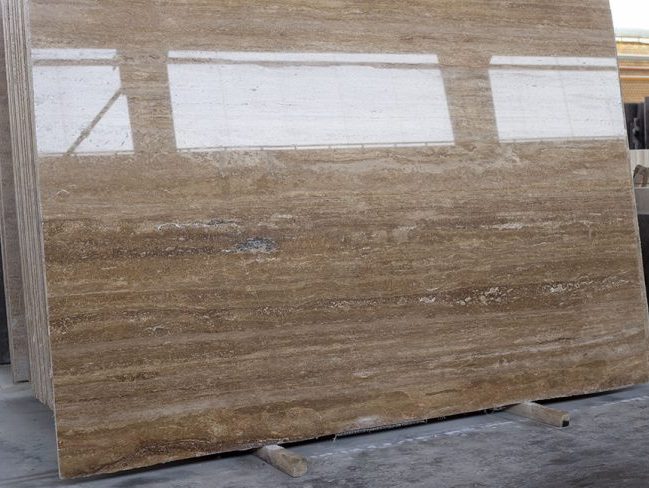
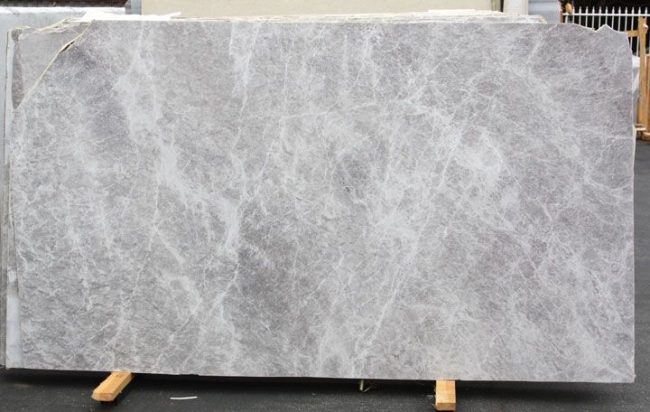
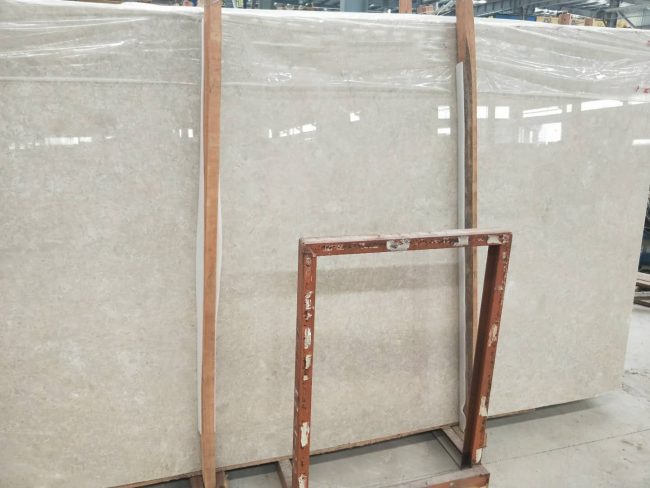
- Stone Materials for Cooling Spaces: Natural stones like limestone, travertine, and light granite remain cool to the touch. They’re ideal for terraces, spa areas, and shaded garden paths during summer months.
- Thermal Comfort and Smart Design: Stone features with high thermal mass help regulate interior temperatures—absorbing heat during the day and releasing it slowly at night.
- Mindful Living: Like drinking Fú Tea or drying ginger, Dàshǔ reminds us that sustainability starts with knowing when to act—and when to pause. Whether it’s using natural airflow, shaded exteriors, or quiet garden corners, our built environment should reflect seasonal rhythms.
At CENTURY STAR, we’ve helped clients across the globe—from luxurious Moroccan hotels to English celebrity homes—create climate-resilient, stone-inspired sanctuaries that stand the test of heat, time, and taste.
? Final Thoughts
“When the sun is at its strongest, the wise find shade—not escape, but equilibrium.”
Dàshǔ is more than a weather forecast—it’s a lifestyle guide that helps us rethink how we treat our bodies, our homes, and the natural world. With timeless customs and modern materials, we can meet heat not with resistance—but with readiness and grace.
? Let’s Build a Cooler, Stronger Summer
Looking to design a summer-proof space using natural stone?
Let us help you choose the perfect material, cut, and finish for your climate.
? Email: [email protected]
? WhatsApp: +86 13685922793
? Visit: www.hcenturystar.com