



? Introduction: Meet the Fish-Belly Marbles
Italian Fish-Belly marble varieties—White, Gold, and Grey—are prized for their stunning visual quality and refined natural stone heritage. The French term “poisson blanc” aptly describes their ethereal aesthetics, reminiscent of early morning light over tranquil waters.
These marbles are precious due to their scarcity, beautiful veining, and premium price. In this article, we’ll explore:
- Origins & alternate names
- Detailed vein & color patterns
- Applications & best uses
- Market popularity in Europe and North America
- 5 top FAQs answered

1. Fish-Belly White Marble (Fish-Belly White)
Origin & Names
- Country of origin: Italy
- Also known as “Arabescato Corchia Marble” or “Bianco White Marble” its creamy-white base resembles the soft glow of a fish belly.
Vein & Appearance
- Pristine white background—the whiter it is, the higher the value
- Occasional delicate grey or beige veins, fine and understated
- Smooth and serene aesthetic, perfect for minimalist interiors
Applications & Best Uses
- Large floor slabs or wall cladding in foyers and great rooms
- Stair treads where a bright, high-end look is desired
- Bathroom walls & countertops for an elegant spa-like feel
- Furniture inlays (e.g., statement tables)
Best Practices & Precautions
- Use high-grain polishing to enhance white depth
- Match slabs carefully to avoid vein mismatch
- Seal properly to protect against staining—soft and porous
- Avoid acidic cleaners; use pH-neutral stone soap


2. Fish-Belly Gold Marble (Fish-Belly Gold)
Origin & Names
- Origin: Italy, same quarries as White
- Known as “Fish Maw Gold Marble” due to striking gold network veins
Vein & Appearance
- Cream to beige background, embellished with bold gold/grey web veins
- Strong visual contrast; highly dramatic and refined
- Deep texture and abundant personality
Applications & Best Uses
- Accent walls with dramatic flair
- Staircases & risers to make a bold entry statement
- Luxury countertops or waterfall islands
- Feature floors in hotel lobbies or upscale villas
Precautions
- Precise slab matching crucial; gold veins must align
- High gloss polish to intensify luster
- Edges and seams should be expertly detailed


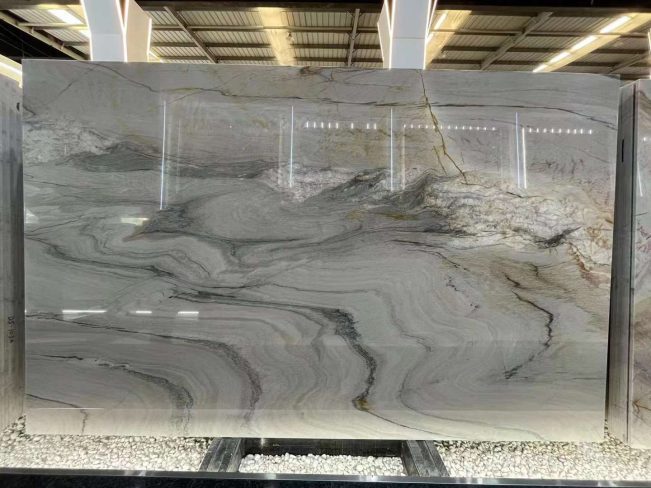
3. Fish-Belly Grey Marble (Fish-Belly Grey)
Origin & Names
- Italian origin, sister stone to White and Gold varieties
- Sometimes called “Fish Maw Gray Marble,” “Fish belly ash marble”
Vein & Appearance
- Whitening-grey base tone with bold dark grey veins
- Striking yet elegant; ideal for contemporary or industrial interiors
- Textural contrast with dark veins delivering visual drama
Applications & Best Uses
- Feature floors or entrance foyers
- Wall panels accenting art spaces
- Outdoor walls or cladding—Nordic-style façades
- Modern stairs with sharper profile edges
Precautions
- Clean with alkaline solutions to protect integrity
- Apply anti-stain sealer; grey absorbs more dirt
- Use brushed or honed finish to conceal foot marks


Market popularity in Europe and North America
? European Market Appeal
Fish-Belly White
- Loved for its pure, luminous quality
- Used in luxury boutiques, Italian villas, classical interiors
- Features in concert halls and historical restorations
Fish-Belly Gold

- Popular in high-art hotels, decorative columns, and museum spaces
- Gold veins add a luxurious yet organic expression
Fish-Belly Grey
- Dominates Scandinavian minimalism and contemporary design
- Often seen in public cultural buildings and clean-lined private homes
Common European uses: floors, staircases, feature walls, columns
North American Market Appeal
Fish-Belly White
- Frequently installed in transitional and modern luxury homes, upscale condos
- Favored for stairs, kitchen islands, and polished bathroom floors
Fish-Belly Gold
- Makes a statement in feature walls and residential foyers
- Found in custom homes and private galleries
Fish-Belly Grey
- Prefers for sleek, monochrome designs; often used in living rooms, outdoor patios
- Well-suited for polished entrances, showers, and accent staircases
Why: These marbles align with North American trends—calm luxury and bespoke character
✅ Top 5 FAQs
1. Which fish-belly marble is most stain-resistant?
Answer: Fish-Belly Grey is relatively more forgiving—its grey base hides light stains better than White or Gold.
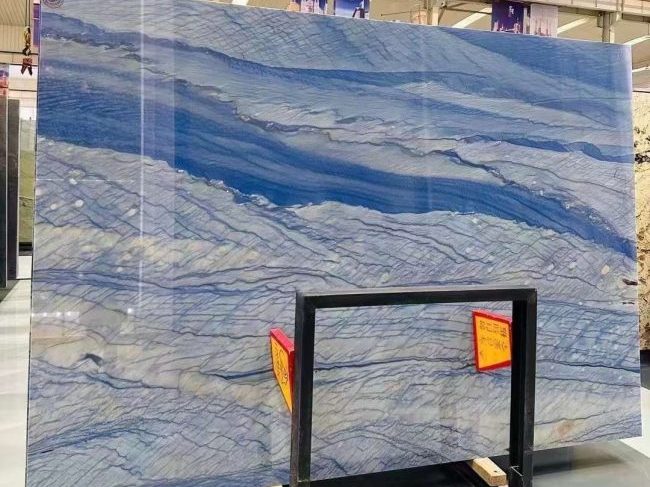
2. Are green or blue veins common?
No—Fish-Belly varieties are typically limited to white, gold, and grey. Green or blue veins are rare and command premium pricing.
3. What finish is recommended for these stones?
Polished brings out vibrancy but may show fingerprints. For high-traffic areas, use satin or honed finishes with proper sealing.
4. Can these marbles be used outdoors?
Yes, especially Fish-Belly Grey for its durability. White and Gold can also be used outdoors if properly sealed and sheltered.
5. How do I match adjacent slabs?
Buy slabs from the same extraction batch, confirm vein continuity, and demand digital mock-ups to ensure consistency.
? Conclusion: Choose With Style and Purpose
Fish-Belly White, Gold, and Grey marbles bring distinctive beauty to architectural design—each with its own character and charm:
- White: serene, luminous, and timeless
- Gold: opulent, striking, and dramatic
- Grey: bold, modern, and texturally rich
Their popularity varies across Europe and North America, but all three are prized for their refined finishes, luxurious ambiance, and design flexibility. When combined with expert fabrication and proper sealing, these marbles can elevate any residential or commercial space.
At Century Star, we specialize in sourcing, processing, and exporting these elegant marbles to meet exacting global standards. Enhance your project aesthetics with our luxurious stone options.
? Email: [email protected]
? WhatsApp: +86 13685922793
? Website: www.hcenturystar.com