





Unveiling the Origin of Iran Brown Travertine and the Historical Significance of This Stone
Iran (Ira The beautiful natural stone known as brown travertine, which is renowned for its vibrant colours and unique patterns, has a history that is firmly ingrained in the landscapes of Iran. Its geological formation, as well as its widespread usage in historical and contemporary construction, weaves a story that reflects both natural processes and human artistry. This stone is used extensively in both historical and modern architecture.
Origin

Iran Brown Travertine is created by altering limestone, just as other travertine types. This intricate process starts with the mineral-rich groundwater precipitating calcium carbonate. The characteristic patterns and textures of travertine are caused by the gradual buildup of silt in consecutive layers.The brown hues of travertine are a result of the minerals that were present during its formation; Iran is a geologically rich area that is perfect for its development. Unique in appearance, Iran Brown Travertine is the product of the interaction of temperature, mineral composition, and geological processes. Every slab bears witness to Earth’s inherent inventiveness.Quarries producing travertines abound in Iran, notably the much sought-after Iran Brown Travertine. Principally, these quarries are found in Yazd, Kerman, and Isfahan. Big stone blocks are extracted as part of the quarrying process and then sent to processing facilities for additional refinement.The integrity of the stone is greatly stressed during the extraction process, which ensures that the unique patterns and colors will not be changed in any way. The blocks are taken out of the quarry and then polished, honed, and cut to bring out the inherent beauty that is hidden in the unprocessed material.
History
Iran Brown Travertine is a material that has clearly influenced Iranian architecture, appearing in both old and modern buildings inside the nation. A favorite choice for many building projects, the stone’s warm brown tones and intricate patterns add to its historical importance. Iran Brown Travertine has been utilized historically to build mosques, palaces, and monuments among other structures. Together with its beauty, the stone’s durability has made it a necessary element in the area’s architectural legacy preservation. As witnessed by the splendor of Persepolis and the exquisite features of the Jameh Mosque in Isfahan, Iran travertine brown is a testament to the workmanship of bygone era. Even though Iran Brown Travertine has a long history, it has not been consigned to the pages of ancient building. Nowadays, it is becoming more and more fashionable and is used widely in contemporary design. One of the most often used materials for both interiors and exteriors is because of its versatility, which allows it to surpass traditional constraints.
The attractiveness of coffee travertine in terms of its colour and pattern rown travertine
Brown travertine, which is characterised by its earthy and deep tones, is available in a wide range of colours that are appealing to both design aficionados and architects. Coffee Travertine is a variety that is especially fascinating because of its warm colour palette that is inspired by coffee and its unusual patterns. As we go further into the realm of natural stones, let’s take a look at the distinctive qualities that make Coffee Travertine such a popular option.
Color And Pattern
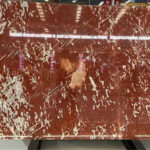
- Deep Espresso Brown: Coffee Travertine is distinguished by a shade of espresso brown that is so dark that it resembles the richness of freshly brewed coffee.
Due to the fact that the colour generates a cosy and welcoming feeling, it is an excellent option for areas that are looking to create a warm and friendly atmosphere.
 The presence of mocha and caramel undertones within the brown spectrum is a characteristic that can be found in Coffee Travertine. These undertones provide a layer of depth to the colour profile of this stone.
These little differences make the stone more visually appealing and flexible enough to fit into a range of architectural styles.
Coffee travertine is a warm, classic stone that works well for worktops and flooring among other uses. This is so because Coffee Travertine is a classic and warm stone.
Because of its neutral tones, which offer design adaptability, it is simple to incorporate into a wide range of colour palettes.
Equally Distributed Variables
Veining and Marbling: Because of its distinctive veining and marbling patterns, which lend surfaces a sophisticated feel, coffee travertine is one of the most well-known varieties of marble.
Natural variations in the veining give each and every piece of the stone a unique look.
Subtle Elegance: Coffee Travertine patterns exude a refined and upscale look that works well both inside and outside.
The patterns on the stone add to its visual appeal whether they are used as small decorative accents or large flooring applications.
Coffee Travertine patterns are so adaptable that they may be employed to enhance a broad spectrum of design styles, from traditional to contemporary.
Its simplicity of integration into both residential and commercial building gives designers a lot of freedom to show their originality.
Application
- Travertine Flooring:
Brown Travertine flooring creates a foundation of warmth and sophistication in both residential and commercial spaces. The earthy hues and natural patterns of the stone add character to entryways, living rooms, kitchens, and even high-traffic areas, making it an ideal choice for those seeking a durable and elegant flooring solution.
- Travertine Kitchen Countertops:

The durability of Brown Travertine makes it well-suited for kitchen countertops. Its resistance to heat and scratches, coupled with the timeless beauty of the stone, elevates the kitchen space. Whether used in traditional or modern kitchen designs, Brown Travertine countertops become a focal point of elegance.
- Vanity Surfaces:
Brown marble finds uses on many surfaces in bathrooms. Natural richness is added by the stone on vanity tops, shower walls and flooring, and floors. Those wishing to bring tranquilly into their private areas choose Brown Travertine because of its capacity to produce a spa-like atmosphere.
Interior Cladding:
Wall covering in brown travertine gives interior walls warmth and texture. The inherent designs of the stone enhance the overall look of the area whether it is used to highlight a fireplace, build an accent wall in a living room, or give character to passageways.
Ornamental Accents
Small-format Brown Travertine mosaics and tiles work well as ornamental accents. The ability of the stone to provide individualized and creative touches to homes is demonstrated by backsplashes in kitchens, niche features in baths, and elaborate designs in entrances.
Deck Pavers:
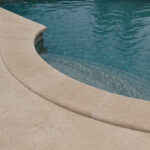
Because brown travertine is so durable outside, it’s a great option for pool decks, garden paths, and patios. Because the stone can tolerate a range of weather conditions and yet look good, it’s a common choice for furnishing comfortable outdoor areas.
Steps & Staircases
Steps and staircases gain from the durability of Brown Travertine tile. The stone offers a robust and aesthetically pleasing technique to build imposing entrances and walkways both inside and outside.
Around a fireplace:
For fireplace surrounds, Brown Travertine’s warm color scheme is perfect. Natural elegance of the stone creates a focal point that grabs attention and improves the comfortable atmosphere of living rooms and family areas.
Shop Spaces:
Grey The adaptability of travertine includes business environments. The stone’s capacity to arouse a feeling of elegance and timelessness in office areas and hotel lobbies helps to create sophisticated and friendly settings.
Accents in Landscaping
Brown travertine can be utilized in landscaping for a number of accents, including garden borders, decorative elements, and even outside sculptures. Natural colors of it go well with vegetation and give outdoor settings a sophisticated touch.