


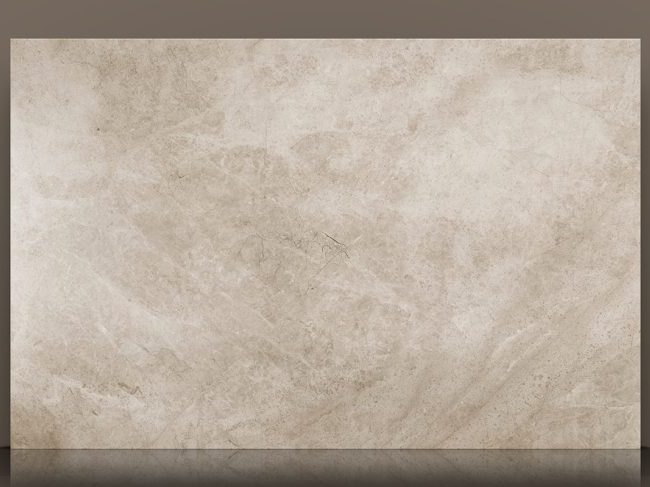


What Is Printed Artificial Quartz? A New Chapter in Stone Innovation
Walk into a luxury showroom in New York, Paris, or London, and you may find yourself admiring countertops and wall panels that look like rare Italian marble or exotic Brazilian quartzite. Yet when the salesperson runs a hand over the glossy surface, they might surprise you with the truth: what you are looking at isn’t quarried stone at all, but printed quartz.
This material, a clever marriage of engineered quartz and advanced digital printing, is rapidly gaining traction in Europe and America. It combines the timeless beauty of natural stone with the precision and durability that modern lifestyles demand.
But what is quartz print, how is it made, and why are designers, architects, and homeowners embracing it across a range of projects? Let’s dive in.
Understanding Printed Quartz
What Is Printed Quartz?
Printed quartz starts with the same foundation as engineered quartz: a blend of 90–94% natural quartz crystals bound with resin and mineral pigments. The mix is molded under high pressure and cured at high heat to produce durable slabs.
The innovation comes in the next step. Using a quartz printer, manufacturers digitally apply high-resolution stone patterns onto the surface. These can mimic everything from the bold veining of Calacatta Gold marble to the soft sandy hues of Taj Mahal quartzite. Advanced layering techniques give the illusion of depth, translucency, and natural flow.
Application Example: Residential Kitchen Elegance
Imagine a modern home in Los Angeles. The client wants the beauty of Italian Calacatta marble for their kitchen but is concerned about staining from wine and citrus. quartz 3d-printing solves the problem: the kitchen island features dramatic veining, while the non-porous surface resists everyday spills. Guests admire the “marble,” and the homeowner enjoys stress-free entertaining.

Printed Quartz Slabs: Engineering Meets Design
Print quartz slabs are typically manufactured in large formats (around 120″ x 55″) with thicknesses from 20 mm to 30mm. This makes them versatile for everything from countertops and wall cladding to flooring.
- Consistency: Unlike natural stone, which varies block to block, printed quartz slabs deliver predictable veining and tone across multiple panels.
- Fabrication Advantage: The slabs are strong but workable, allowing fabricators to cut, polish, and edge them with precision.
- Design Freedom: A wide palette of colors and patterns can be created without relying on limited quarry resources.
Application Example: Hotel Lobby Impact
In a five-star hotel in Dubai, designers wanted a grand entrance hall clad in creamy quartzite with soft golden veins. Natural quartzite was too inconsistent for such a vast space. The solution? Printed engineered quartz slabs with Taj Mahal-inspired patterns. The result was a harmonious, luxurious lobby where every wall panel matched seamlessly, giving guests a sense of curated elegance.
Printed Quartz Countertops: Where Beauty Meets Function
Countertops are where print quartz truly shines.
Everyday Practicality
Printed surface quartz countertops are non-porous, making them resistant to stains, scratches, and bacterial growth. Unlike marble, there is no need for periodic sealing.
Design Versatility
Designers can select from a spectrum of patterns: subtle Carrara-inspired swirls, bold Calacatta veining, or warm beige tones reminiscent of Taj Mahal quartzite. These surfaces deliver the high-end look of natural stone but stand up to the demands of modern kitchens.
Application Examples
- Luxury Homes: In a Manhattan penthouse, a printed quartz island creates a striking focal point. The veining flows seamlessly over waterfall edges, giving the impression of a monolithic marble block.
- Restaurants & Cafés: In a trendy Paris café, print quartz countertops provide a chic look while resisting stains from coffee and red wine. The durability allows for heavy daily use without sacrificing style.

Printed Quartz vs Quartz: Key Differences
Standard Quartz
Traditional engineered quartz mixes pigments into the slab itself, creating relatively random patterns. While durable, the designs often look uniform and lack the depth of natural stone.
Printed Quartz
By applying a digitally printed surface layer, printed quartz achieves highly realistic veining and shading. Designers can specify exactly what they want, from fine linear patterns to bold sweeping veins.
Application Example: Commercial Office Reception
A global consulting firm in London wanted a reception desk that embodied sophistication. Standard quartz offered durability but lacked character. With printed quartz vs quartz, the difference was clear. Printed quartz delivered a crisp marble look, instantly elevating the professional atmosphere for visiting clients.
Full Body Printed Quartz: Depth and Authenticity
While surface printing produces beautiful results, full body print quartz takes authenticity further. Here, the design permeates the entire slab thickness.
- Seamless Waterfall Countertops: Veining continues naturally over the edge.
- Visible Edges: Cross-sections reveal consistent patterns, mimicking quarried stone.
- Luxury Appeal: Ideal for high-end residential and hospitality projects where details matter.
Application Example: Boutique Spa Retreat
A boutique spa in Switzerland installed full body printed quartz in its reception counter and bathroom vanities. The continuous veining created a calming, stone-like environment, while the durability withstood heavy guest traffic and frequent cleaning.

Quartz 3D Printing: The Future of Stone
What Is Quartz 3D Printing?
Quartz 3D printing is still emerging but shows enormous potential. By layering material, manufacturers can create 3D printed quartz with intricate textures and relief patterns.
Potential Applications
- Decorative Wall Panels: Veins you can not only see but feel.
- Customized Furniture: Tables with sculptural, stone-like surfaces.
- Architectural Installations: Bespoke elements for museums or public spaces.
Application Example: Art Gallery Installation
In Berlin, an art gallery experimented with 3D printed quartz panels featuring raised veining. Visitors could touch the panels, experiencing both the look and feel of stone. It blurred the line between art and architecture, showcasing the possibilities of this new technology.
The Role of a Quartz Printer
The quartz printer is at the heart of this innovation. These machines apply high-resolution designs using mineral-based inks, embedding patterns under protective layers.
- Accuracy: Every detail of natural stone veining is captured.
- Durability: Once sealed, designs resist fading, scratching, and staining.
- Efficiency: Large volumes of slabs can be produced consistently.
Application Example: Large-Scale Commercial Projects
In Las Vegas, a casino resort required over 200 matching slabs for bar tops and feature walls. Using a quartz printer, the manufacturer created identical printed quartz slabs that aligned seamlessly, ensuring a cohesive design theme across multiple venues.

Taj Mahal Printed Quartz: A Customer Favorite
Among printed quartz designs, Taj Mahal printed quartz stands out. Inspired by the prized quartzite of the same name, it features soft ivory tones with golden veining—classic, versatile, and soothing.
Application Examples
- High-End Kitchens: In California, homeowners chose Taj Mahal printed quartz for their kitchen island, pairing it with walnut cabinetry. The warm tones created a timeless look.
- Hospitality Projects: In London, a boutique hotel used Taj Mahal printed quartz for bathroom vanities. Guests experienced the elegance of quartzite, but the hotel staff appreciated the easy maintenance.

Bridging Tradition and Innovation
Printed quartz is more than just a material—it’s a philosophy of design. It bridges the historical love for natural stone with today’s demand for practical, sustainable, and cost-effective solutions.
- European Design Heritage: Printed quartz brings classical marble looks into modern apartments in Paris or Milan without the upkeep of natural stone.
- American Lifestyle: In expansive kitchens and open-plan living spaces, it provides durability and visual drama.
- Commercial Versatility: Offices, hotels, and retail spaces benefit from consistency and resilience under heavy use.
As full body printed quartz and 3D printed quartz evolve, the boundary between natural and engineered materials will continue to blur, offering designers ever more creative freedom.
A Question for You
Now that you’ve explored printed quartz slabs, admired the elegance of printed quartz countertops, and considered the future potential of quartz 3D printing, the choice becomes personal.
If you were planning your next project, which would you choose?
- The timeless authenticity of natural stone (Taj Mahal quartzite),
- The technological artistry of 3D printed quartz, or
- The depth and realism of full body printed quartz (Calacatta Gold Quartz Countertop)?
The answer may depend on your project’s needs—but with options this exciting, there’s no wrong choice