


Introduction to Volcanic Rocks
Volcanic rocks, also known as cave stones, honeycomb stones, or porous basalts, are functional and environmentally friendly materials. These precious porous stones are formed by volcanic glass, minerals, and bubbles after a volcanic eruption. Volcanic rocks contain dozens of minerals and trace elements, such as sodium, magnesium, aluminum, silicon, calcium, titanium, manganese, iron, nickel, cobalt, and molybdenum. They have low radiation and far-infrared magnetic waves.

The unique natural holes of volcanic rocks make them the only natural sound-absorbing material among all building materials currently available, volcanic rocks offering excellent sound insulation effects. Volcanic rocks are a natural sound insulation material suitable for stations, subways, underground projects, production workshops, squares, villas, homes, and other places with high noise levels. Sound insulation bricks made of volcanic rock particles as raw materials are widely used in high-speed railway construction in South Korea.
Natural volcanic rock products contain over 30 trace elements beneficial to human health. Countless hot springs nurtured by volcanoes can cure many diseases, such as arthritis, rheumatism, and various skin diseases, providing good therapeutic and health functions.

Volcanic Rock Applications
The biggest application of volcanic rock is in response to national regulations limiting the mining of resources such as clay and sand. The clay used in the environmental protection industry to make filter materials will gradually decrease or be banned. Volcanic rock is used as a substitute.
- Environmental Protection and Performance: Volcanic rock materials have superior performance and environmental protection. In addition to the general characteristics of ordinary stones, they have unique styles and special functions. Compared to granite and other stones, volcanic rocks (basalt) have low radioactivity, making them safe for human living spaces without radioactive pollution.
- Durability and Versatility: Volcanic rock materials are resistant to weathering, weather resistance, and durability. They help reduce sound and noise, improving the auditory environment. Their simple and natural avoidance of glare benefits the visual environment, while water absorption, anti-slip, and heat resistance improve the body environment. The unique “breathing” function can regulate air humidity and improve the ecological environment, making them suitable for municipalities, enterprises, and individuals.
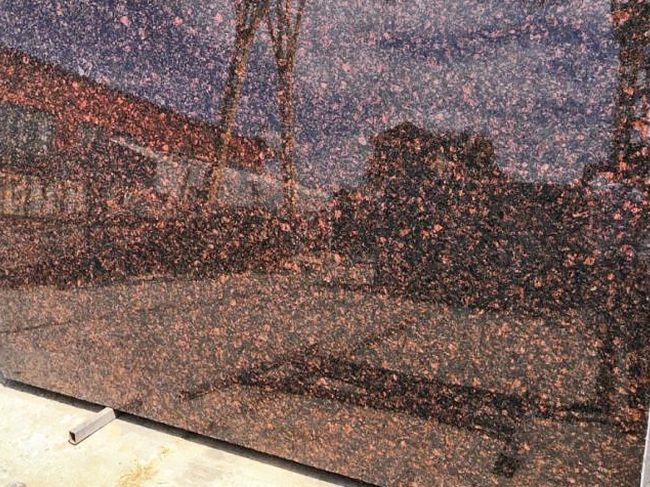
- Aesthetic and Functional Uses: Volcanic rock is hard and can produce ultra-thin stone slabs. After fine grinding, the glossiness can reach over 85 degrees, with bright and pure colors, providing an elegant and solemn appearance. They are widely used in building exterior wall decoration, municipal road squares, and ground paving of residential areas. They are the first choice of stone for antique buildings, European buildings, and garden buildings, loved by customers at home and abroad.
- Ecological Benefits: The natural holes of volcanic rock give it a unique penetration function. On rainy days, these holes can absorb water, and on sunny days, the water is slowly released under sunlight, adjusting the surrounding air temperature. This function is suitable for pedestrian streets, squares, courtyards, and especially around flowers, grass, and trees, ensuring plants have sufficient water.
- Construction Material: The crushed stone (0.5-2 cm) of volcanic rock is widely used in the foundation construction of roads, buildings, and dams. It has unique characteristics of high strength, wear resistance, and hardness, making it especially suitable for roadbed pouring of highways and airport runways. It improves load-bearing, compression resistance, wear resistance, and fatigue resistance of road foundations, ensuring engineering quality for centuries.
- Heat Resistance: Volcanic rock is generated by condensation after the eruption of volcanic lava. It has light absorption and heat resistance due to the absolute high temperature, ensuring it is never as hot as granite under strong sunlight and not as cold in the winter.
Volcanic Rock for Fish Farming
Volcanic rock is excellent at purifying water, making it ideal for fish farming.
- Activated Water: Volcanic rock can make water ions active, increasing the content of oxygen ions and releasing rays and infrared rays beneficial to organisms.
- Stabilize Water Quality: Volcanic rock stabilizes PH levels and mineral content, ensuring a balanced aquatic environment.
- Color Induction: The red color of volcanic rock can induce the color of arowanas to turn red, enhancing their natural beauty.
- Adsorption: The porous nature of volcanic rock allows it to absorb harmful bacteria and heavy metal ions from water.
- Play Props: Arowanas enjoy playing with volcanic rocks, making them excellent props.
- Promote Metabolism: The trace elements released by volcanic rocks promote animal cell metabolism and remove harmful halides.

Volcanic Stone Slabs
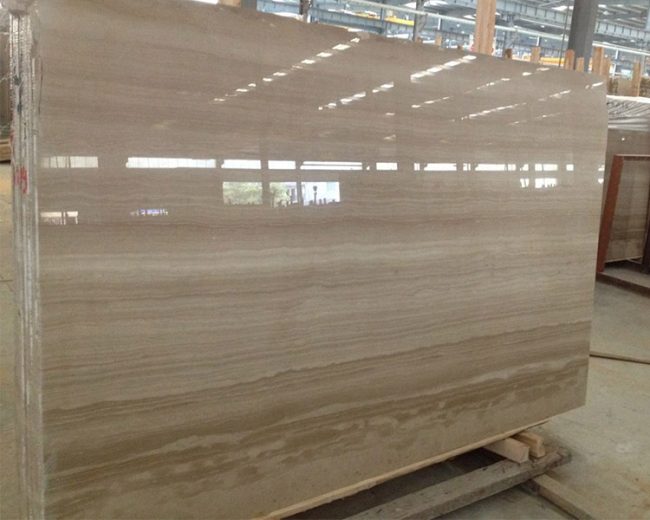
Volcanic stone slabs are widely used in high-end villas, clubs, hotels, squares, antique buildings, tea houses, parks, municipal engineering, and other places. They are suitable for ground and wall paving, stone and wood structure furniture, and special-shaped carvings. Various colors, patterns, and sizes can be customized according to customer requirements.

Stone Application in Architecture
Located on the top of a mountain, a club covering nearly 5,000 square meters offers an excellent bird’s-eye view. The towering columns and bookshelves on both sides of the reception desk symbolize the inheritance of poetry and classical culture. The clean and neat structural treatment resembles an orderly urban building, creating a lively and freehand mountain city scene.
The lobby, with a large three-story space, has volcanic rock interior walls of varying gray levels, exuding a calm and heavy atmosphere. The ripple-like marble floor adds a modern touch.
A downward-flowing waterscape curtain wall behind the reception desk is inspired by Chongqing’s unique geographical feature of river confluence. The large-scale art installation “Fengqi” depicts mountain imagery, with blue-green glass sparkling under lights.

Lamps are used creatively, reflecting an Oriental understanding of shape and space. Through re-stacking, arrangement, and combination, a free and easy landscape is constructed from natural images like mountains, stones, clouds, wind, and the moon.

The elegant and simple elevator hall on the lobby’s right side features Bayu cultural installations and stone carvings, reflecting history and the future. Modern techniques present ancient Bayu cultural scenes, combining low and square furniture with bonsai to convey Oriental aesthetics. Bird cages and teapots on the walls showcase Chongqing’s tea-drinking and leisure lifestyle.
The “SKYLOBBY” concept is realized with concise brushwork and a wide space scale. Sculptures and paintings decorate the corridor, with large glass windows blurring the boundaries between “painting” and “landscape.”

The sand table negotiation area integrates rest, display, negotiation, and viewing functions. The “Mountain City” sculpture reflects Chongqing’s unique mountain and river integration style. The “Cloud” artistic lamp in the hall center, with its white texture and round shape, integrates with the surrounding mountains and buildings, conveying leisurely and secluded Oriental aesthetics.
The theme of “mountain and water city” breaks material and form limitations, abstractly expressing Oriental artistic conception in modern contexts. The designer creates a journey of art and culture rather than a single marketing venue.
The VIP reception room features picturesque mountains, a quiet and harmonious fireplace setting, and subtle charm. It embodies the beauty of the artistic conception of cloud cliffs, water, green shadows, and smoke waves.
Volcanic rocks, including volcano lava rocks, are popular for various applications. They are often used in volcanic rock fire pits and for landscaping purposes like volcanic rock mulch and garden volcanic rocks. The distinct red volcanic rock is highly sought after for aesthetic purposes and can be found for sale for various uses. Additionally, volcanic rock dust is utilized in agricultural practices, and volcanic rock walls are a unique architectural feature. These versatile stones enhance modern building projects, from volcanic rock for landscaping to volcanic rock fire pits, offering both functional and decorative benefits.