


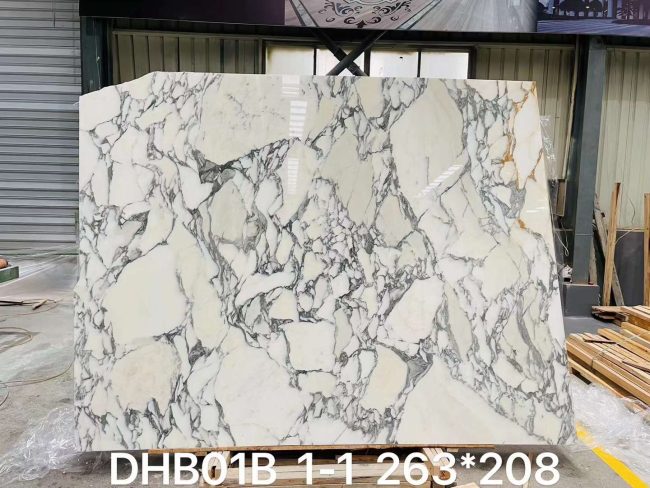

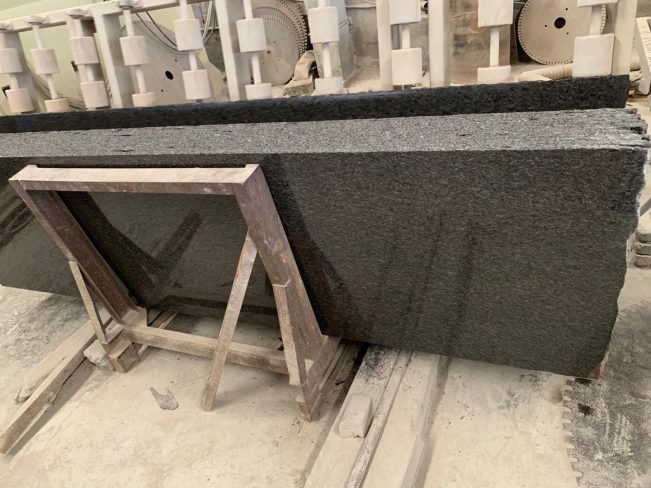
White and marble is a particular favourite for refinement and classic beauty in interior design and construction. From immaculate white marble tiles to breathtaking white marble laminate countertop, white stone accentuates any area with a little refinement. Working with white and marble, however, calls close attention to its characteristics, possible problems, and appropriate handling methods. Our article will cover the features of white marble, typical quality problems, and a four-step control approach to guaranteeing perfect projection of your white marble tiles.

I. Introduction to the Properties of White and marble
White stone, whether it’s marble, quartzite, or granite, has a range of appealing features:
- White marble stone is well-known for its clean, brilliant look and capacity to make areas seem bigger and more inviting.
- Many white stones are well-suited for high-traffic areas because they are remarkably strong and resistant to wear and strain.
- White stone, among other things, could also be used as a white marble-topped dining table or white marble kitchen. kitchen island in white marble.white marble epoxy floor.white marble tile bathroom.white marble shower tile.fireplace white marble, marble side tables white and even exterior facades
- Every bit of white marble stone is different, with natural veining and patterns that give the material character and depth.

However, despite these advantages, white and marble can present several challenges that need to be addressed to maintain their pristine condition and their clean beauty.
II. Common Quality Issues with White and marble
Although white and marble have many advantages, their white appearance makes them fragile, so they are prone to some common problems that affect their appearance and service life. Understanding these problems and their causes is the first step to effectively solving them.

white and marble Efflorescence and Reasons for Efflorescence
When cement mortar is wet-laid, the alkaline CaSiO3 in the cement goes through a hydrolysis reaction. This lets a lot of Ca2+ and OH-, along with water, reach the white marble stone’s surface through the gaps or pores in the joints. The white powdery substance left after the water evaporates and dries is called alkali return.
CaSiO3 + H2O → hydrolysis → Ca2+ + H2SiO3 + OH The alkaline substance that returns reacts with carbon dioxide, sulphur dioxide, and other substances in the air to form various substances such as calcium carbonate, calcium subsulphate, and calcium sulphate, which are called efflorescence.
white and marble yellowing and the reason for yellowing
Yellowing is a common problem, especially with white and marble. As the text says, it refers to the yellowing of white stone.The main causes of stone yellowing are:
- Inadequate stone protection causes the iron ions in the stone to react with water to form iron oxide, which causes the stone to turn yellow. This is particularly true for white stone series such as Oyster White Marble.Arabescato Corchia Marble.Polaris Marble.Jazz White Marble.carrara white marble.calacatta white extra marble.
- During the marble-white processing process, rust stains on machinery, equipment and blades contaminate the back of the stone
- Inadequate protection measures for finished products cause ironware to damage the stone or ironware to rust when exposed to water, affecting the stone and causing yellowing
- Irregular stone maintenance: The acid in inferior acidic agents reacts with steel wool to form substances that penetrate into the pores of the stone, causing yellowing.
- The use of stone wax containing pigments or acidic and alkaline substances during the polishing process causes the stone to turn yellow.
white and marble Pollution
The microcracks and gaps of stone belong to the capillary range, which will automatically absorb various liquids, fine dust, and pollutants. Various water-soluble or oil-soluble organic pigments penetrate the micropores of stone with the help of liquid, polluting the stone to form organic spots. The higher the porosity and water absorption rate of the stone, the easier it is to cause pollution and pathology.
At the same time, numbered labels and self-adhesive labels pasted on the surface of the stone will also pollute the stone. Therefore, white marble should be especially careful of pollution, especially white marble floor tile
white and marble colour differences
The main reasons for the colour difference of stone are:
- The stone rough materials come from different pits or different levels and directions
- The stone is not laid out after cutting and processing, or it is not numbered in sequence and by area after being laid out
- The stone is not laid out according to the code list and batch number provided by the supplier
- During the wet laying process, the adhesive material used contacts the surface of the stone and reacts with the stone to cause a colour difference in the stone
- After a period of use, the colour of natural stone gradually fades, and the originally bright and beautiful stone begins to become grey and dull.
III Four steps to prevent and control white and marble lesions
Using a thorough control plan can help you guarantee the lifetime and beauty of your white stone marble. Here is a four-step approach to regulate and avoid typical problems:

Pre-control to choose the right white marble
- Before placing an order for stone, a dedicated person must go to the stone factory to see the slabs and understand the colour and quantity.
- It is best to find the original ore and understand the reserve of the ore source.
- The stone materials should come from the same pit or the same level.
- Selection of stone processing manufacturers:
- Effective communication with the stone manufacturer: the yield rate, processing loss rate, back rib and back board method, protective measures, edge grinding and chamfering process, polishing gloss, opening, packaging method, etc. should be determined in a contractual manner.

white marble Stone Processing Control
- Stone cutting must be done with an infrared cutting machine, and after cutting white stone, clean the impurities on the surface of the stone with clean water, such as corundum, dust, sewage, etc.
- Place the plate vertically in a ventilated and dry place for more than 48 hours to ensure that the stone is completely dry before stacking. If the construction period is tight, you can set up a drying room or blower, and you must wait until the stone is completely dry before brushing and waterproofing.
- Stone crack repair: White stone is difficult to repair with glue. It is best to use the original stone powder and add white special anti-yellowing glue for repair. It is generally recommended to give up repairing white stone. The traces of repair will be visible, no matter how skilled the master is.
- Back waterproof adhesive treatment: Use high-quality anti-yellowing adhesive waterproofing for white marble.

white and marble Install Control
- Before construction, it is important to pay attention to the base treatment. It must be ensured that the base is firm, flat, and has no hollows. It must be clean and free of stains that are not conducive to adhesion, such as oil, demoulding agent, floating dust, putty, and loose objects, and there must be no structural cracks or shrinkage cracks; ensure that the base has been completely cured before the stone is installed.
- Especially when installing white stone on the ground, ensure that the base material is suitable and resistant to yellowing before installation. It is not recommended to avoid using sea sand with more calcium, magnesium, sodium, and other ions, and to avoid using groundwater with more minerals when mixing water to reduce the source of metal ions. It is necessary to use appropriate adhesives and grouting that are compatible with white stone.
- In the stone care link, ensure the cleanliness of the stone gaps. The caulking agent must be a white special glue, and before caulking, ensure that there is no water residue in the stone joints.
White And Marble Maintenance Control
- natural Stone crystallisation maintenance should be performed regularly (3 to 6 months, depending on usage) to promptly handle yellowing problems.
- When flooring tile cleaning, neutral detergents should be selected and acidic liquids should be avoided
- Do not use water to mop during daily cleaning. Long-term contact with water will damage the protective and crystallisation layers on the surface of the stone, causing various stone lesions and pollution problems.
- During daily maintenance, if there is slight pollution, such as juice, coffee, sewage, etc., you can wipe it with a semi-dry towel and then dry it with a dry towel.


Conclusion
White marble’s classic elegance and beauty will transform any area. Understanding its characteristics, spotting typical problems, and implementing a comprehensive control plan can help you ensure that your white stone installations remain beautiful and strong for many years to come. Following these rules will help you get perfect results with white stone regardless of your level of expertise—that of a designer, contractor, or homeowner.