


Choosing between natural stone vs sintered stone vs quartz is a pivotal decision for any modern architectural project. This guide provides a comprehensive stone material comparison, evaluating performance, aesthetics, and cost. Whether you are seeking a durable kitchen countertop material or a high-performance facade stone material, we break down the technical nuances to simplify your commercial & residential stone selection process.
2. The Showroom Showdown
Imagine a high-stakes meeting for a luxury hotel project in London. The Architect wants the “soul” and unique veining of natural stone. The Purchasing Manager is hyper-focused on the budget and wants the predictability of Quartz. Meanwhile, the Project Manager is worried about the lead times and the installation risks of large-format Sintered Stone.
This “material identity crisis” is common. Choosing a stone surface is no longer just about colour; it is a systemic decision involving design impact, procurement stability, and long-term maintenance.
3. User Pain Points in Stone Selection
-
Maintenance Anxiety: Will the “dream” marble countertop end up covered in lemon and wine stains after the first dinner party?
-
Installation Risks: Sintered stone is incredibly hard but can be brittle during transport and cutting—who carries the risk?
-
Environmental Suitability: Selecting a material that looks great in a showroom but fails when used as an outdoor facade stone material due to UV exposure or thermal expansion.

4. Defining the Contenders: Myths vs. Reality
To make an informed commercial & residential stone selection, we must first strip away the marketing jargon and look at the raw facts of each stone type.
4.1 Natural Stone (Marble, Granite, Limestone)
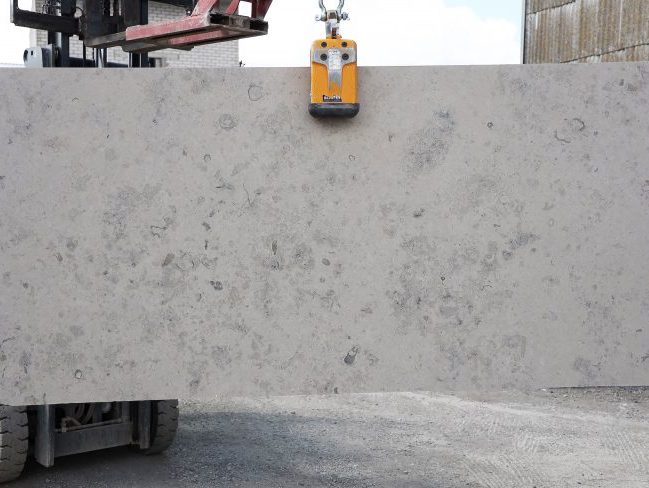
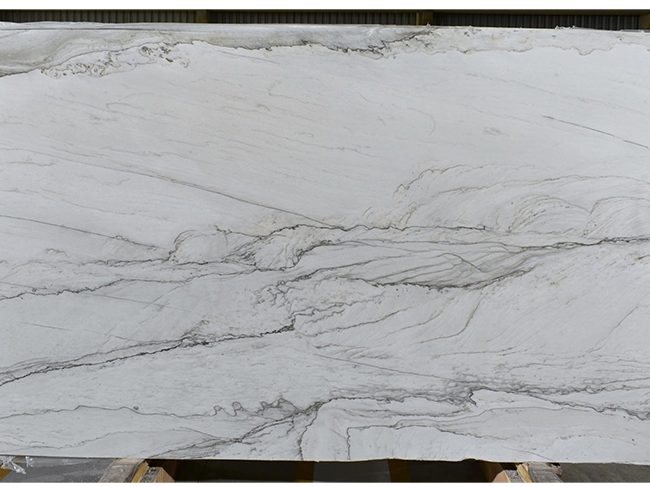
Natural stone is the original luxury material. It is quarried from the earth, meaning every slab is a “limited edition” of one.
-
The Reality: It is naturally breathable and can be restored/re-polished decades after installation.
-
Myth: “It’s too fragile for kitchens.” Actually, with modern sealants, granite and certain quartzites are incredibly resilient.
4.2 Sintered Stone (Porcelain Slabs)
Often called “ultra-compact surfaces,” this is an inorganic material created through extreme heat and pressure (sintering) to mimic the earth’s metamorphic process in hours.
-
The Reality: It is virtually non-porous and heat-resistant, making it a top-tier facade stone material.
-
Myth: “It’s indestructible.” While scratch-resistant, the edges can chip if struck with heavy objects.
4.3 Quartz Stone (Engineered Stone)
Quartz is a composite material made of roughly 90-94% crushed natural quartz crystals bound together with polymer resins and pigments.
-
The Reality: It offers unparalleled colour consistency, making it the king of the kitchen countertop material market for mid-to-high-end residential projects.
-
Myth: “It’s heat-proof.” The resins can melt or discolour if you place a boiling pot directly on the surface.
5. The Ultimate Stone Material Comparison
For a professional stone material comparison, we must look at the variables that affect the project’s bottom line and the client’s satisfaction.
| Feature | Natural Stone | Sintered Stone | Quartz Stone |
| Aesthetics | Unique, organic depth | High-definition printed patterns | Consistent, uniform patterns |
| Porosity | Low to Medium (requires sealing) | Near Zero | Near Zero |
| UV Resistance | Excellent (Great for facades) | Excellent (Great for facades) | Poor (Indoor use only) |
| Repairability | High (Can be re-polished) | Low (Hard to hide chips) | Medium (Resin kits available) |
| Primary Use | Luxury focal points, floors | External cladding, thin tops | Kitchen & Bath countertops |
5.1 Cost Structure (Material + Labour)
While the material price for natural stone can vary wildly, the “hidden” cost is often in the processing. Sintered stone requires specialized diamond tools and water-jet cutting, which can drive up installation costs. Quartz remains the most “fabricator-friendly” option, often leading to lower total project costs for standard layouts.
5.2 Workability and Construction Risk
Natural stone is forgiving to the craftsman; it can be carved, bevelled, and hand-finished. Sintered stone, being under immense internal tension, requires a perfectly level substrate. If the base isn’t flat, the slab may crack under stress—a nightmare for project managers on tight deadlines.

6. Scenario-Based Recommendations
6.1 The Culinary Hub: Kitchen Countertops
As a kitchen countertop material, Quartz is the safest bet for families due to its stain resistance. However, for a high-end designer look, Sintered Stone allows for an “ultra-thin” 12 mm aesthetic that is currently trending in European minimalism.
-
Top Tip: Use Granite for outdoor BBQ tops; Quartz will yellow in the sun.
6.2 The Face of the Building: Facades
When selecting a facade stone material, natural limestone or granite remains the gold standard for prestige. However, Sintered Stone is gaining ground in commercial & residential stone selection because its light weight (in 6mm thickness) reduces the load on the building’s structural frame.
-
Avoid: Never specify Quartz for external cladding. The resins will degrade under UV light.
6.3 Flooring: Public vs. Private
In high-traffic commercial zones, a hard high-end natural stone like Granite or a high-density Sintered Stone is best. For private master suites, the warmth and “underfoot feel” of natural Marble remain unmatched by any man-made alternative.
7. Market Trends & Professional Insights
We are seeing a shift towards “Biophilic Design,” where the imperfections of natural stone are celebrated rather than hidden. Simultaneously, the “Circular Economy” is pushing manufacturers to create Sintered Stones that are 100% recyclable.
In the world of commercial & residential stone selection, the “Mixed-Material” approach is winning. Designers are now using Quartz for the hard-working “back kitchen” and natural Marble for the “show island” where the guests gather.

8. Decision Logic for Different Stakeholders
-
For Designers: Focus on the “Visual Anchor.” Use natural stone where the texture matters most (eye-level walls, reception desks).
-
For Procurement: Evaluate “Batch Consistency.” If you are outfitting 200 apartments, Quartz or Sintered Stone ensures room #1 looks exactly like room #200.
-
For Project Managers: Assess “Site Conditions.” Do not specify large-format Sintered Stone if the site lacks a service lift or if the installers aren’t certified for high-tension materials.
9. Conclusion: Finding the Balance
The “best” material doesn’t exist in a vacuum—it only exists in the context of your project goals. Natural stone vs sintered stone vs quartz isn’t a battle of superior vs inferior; it’s about matching the right physical properties to the right architectural intent.
By understanding this stone material comparison, you can mitigate risks, satisfy aesthetic demands, and ensure material longevity.
Not sure which stone fits your next project?
Request a Stone Comparison Kit or Explore our Luxury Stone Gallery for more inspiration.
10. FAQ (Frequently Asked Questions)
Q1: Which is the most environmentally friendly option?
Natural stone has the lowest processing energy (it’s just cut and polished), but transport can be heavy. Sintered stone is often made with recycled content and is highly durable.
Q2: Can I use Sintered Stone over existing tiles?
Yes. Because it can be produced in 3mm or 6mm thicknesses, it is excellent for renovations where you want to avoid “demolition dust.”
Q3: Does high-end natural stone always require sealing?
Most marbles and limestones do. However, many modern fabricators apply permanent “nanotechnology” seals that last for 15+ years.
Q4: Is Quartz cheaper than Marble?
Not always. High-end “Exotic” Quartz can cost significantly more than a standard Carrara or Crema Marfil marble.
Q5: Why is Sintered Stone harder to install?
It requires specialised handling to avoid “edge snapping” and must be bonded with specific high-flex adhesives to accommodate its lack of porosity.
Q6: What is the best facade stone material for a coastal project?
Granite or Sintered Stone. Both are resistant to salt-air corrosion and high-wind abrasion.