


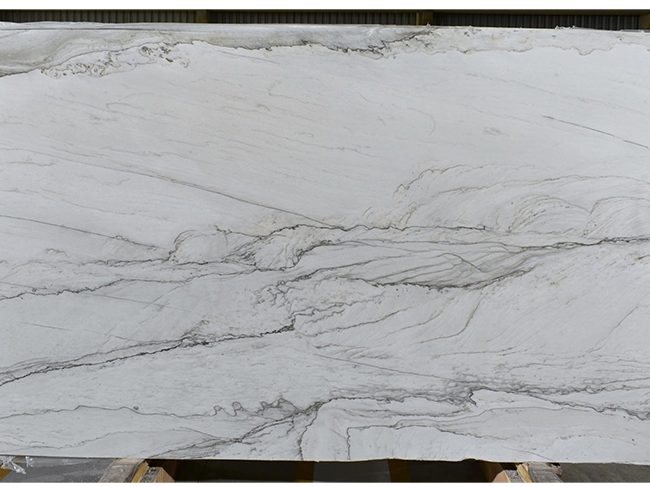


The Zenith of Winter: Finding Stability in Major Cold (Dahan)
Major Cold, or Dahan (大寒), is the final stop in the 24-solar-term cycle—the terminal point of winter and the threshold where all things lie dormant, gathering strength for a new beginning. Around January 20th, as the northern winds howl and the earth’s majesty is expressed through intense frost, the test for architectural envelopes reaches its peak. This prompts us to consider: what material can both

withstand this ultimate chill and herald an unmoving permanence? The answer lies in the backbone of the earth itself—natural stone, which has stood firm through hundreds of millions of years of alternating heat and cold. It is not merely a barrier for a building; it is the eternal cornerstone connecting the old year with a new chapter.
The Ultimate Shield: Rock’s Endowment Against Wind and Frost
During the depths of Major Cold, it is not just the temperature but the biting, desiccated winds that act as an invisible whetstone against building surfaces. This is where the inherent properties of natural stone become indispensable.
Unlike many synthetic composites that may accelerate in aging, lose colour, or become brittle under persistent wind erosion and dry-cold cycles, the dense crystalline structure of high-quality granite, basalt, and quartzite remains virtually unchanged. Our stone is born in the intense heat and pressure of the earth’s crust, making it naturally adapted to survive the Major Cold. Its resilience ensures that a project’s façade remains as fresh and commanding decades later as it was on the day of installation.
Welcoming the New Year: The Procurement Philosophy of Dahan

In Chinese culture, Major Cold is a season of “Great Transition.” It aligns with the “Ying Nian” (Welcoming the New Year) customs—a time for reflection, conclusion, and strategic opening. In the stone trade, this is a period of “Commercial Wisdom.”
Major Cold is not just a climatic node; it is the optimal time for the “Ultimate Decision” in material selection. Smart global procurers use this window for year-end inventory and decision-making. By locking in premium blocks and production capacity before factories slow down for the Lunar New Year holiday, they ensure an unshakeable foundation for spring projects. This perfectly mirrors the philosophy of Major Cold: the end of “Winter Hiding” is the prelude to “Spring Growth.”
The Aesthetics of Constancy
There is a profound dignity in a stone structure during a Major Cold blizzard, echoing the ancient sentiment: “Only when the year grows cold do we know that the pine and cypress are the last to fade.” When the frost covers everything, the silhouettes constructed in stone become clearer and more resolute against the vast, pale landscape. It interprets an aesthetic that transcends the seasons—not relying on fleeting blossoms or green leaves, but revealing its essential, breathtaking texture and power in the harshest environments. Whether it is a grand hotel façade or a private garden path, stone represents constancy in a world of flux.
FAQ: Protecting Your Vision through Major Cold
1. Is it safe to transport stone during Major Cold?
Yes. Natural stone is highly stable. However, we take extra care in packaging and bracing to ensure that thermal expansion and contraction during long-haul shipping do not affect the integrity of the slabs.

2. Why is stone preferred for outdoor paving in freezing climates?
Natural stone like flamed granite provides excellent slip resistance. Its durability against de-icing salts also makes it superior to concrete or wood, which can suffer from surface scaling in the winter.
3. Does Major Cold affect the visual finish of the stone?
On the contrary, the crisp winter light often highlights the mineral depth of the stone. For projects in high-wind areas, we recommend finishes that mask environmental wear, ensuring a “timeless” look regardless of the weather.
4. Which stones are best for passive temperature regulation?
Stones with high specific heat capacity, such as certain dark granites or soapstones, are exceptionally effective. They store solar energy during the day and slowly release it at night, acting as a passive regulator for indoor temperatures during the Major Cold peak.
5. Does the wind erosion of Major Cold require special surface treatments?
For high-rise or coastal projects frequently hit by strong winter gales, we recommend honed, flamed, or bush-hammered finishes. These rugged textures not only provide better slip resistance in damp-cold conditions but also complement the stark winter atmosphere and better conceal the traces of wind-blown dust over time.