


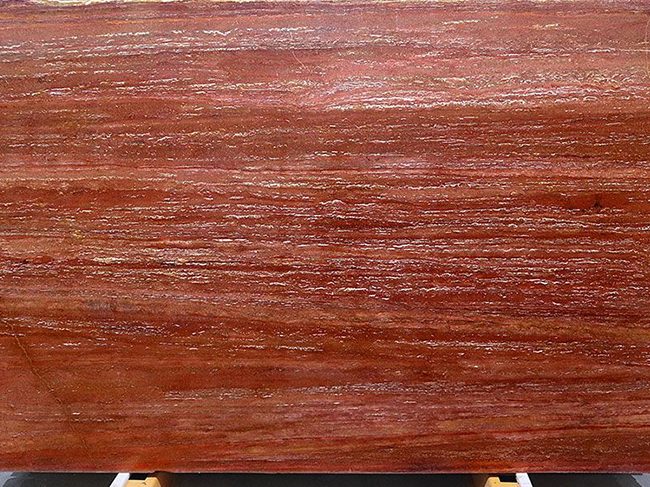

Quick Summary: A granite shower wall is a strong option when a custom bathroom needs durable natural stone, architectural color, stable mineral movement, and a more practical visual character than many traditional marbles. Granite works particularly well for hotel bathrooms, villa master showers, dark spa interiors, high-use residential bathrooms, feature walls behind shower fixtures, and projects that require repeatable stone batches. The best results depend on selecting a suitable granite variety, reviewing full slabs, controlling finish and panel layout, preparing a complete waterproofing system, coordinating niches and fixture cutouts, sealing the stone where required, and approving fabrication drawings before production.

Design Logic: Why Granite Works for Shower Walls
A shower wall is one of the largest visual surfaces in a bathroom. It frames the shower fittings, influences how light moves through the enclosure, and determines whether the room feels bright, calm, dramatic, warm, or architectural. Granite is especially useful when the design needs a stronger and more grounded material identity.
Compared with white marble, granite generally creates a more durable and structured visual impression. Compared with soft beige marble, it can feel sharper and more contemporary. Compared with engineered surfaces, granite provides authentic mineral variation without relying on printed patterns.
Granite is available in white, silver, grey, black, brown, blue, green, gold, and multicolor varieties. This allows it to support compact residential showers, masculine bathrooms, boutique hotel suites, dark spa interiors, and more expressive feature-wall applications.
Use Granite When the Shower Should Feel Architectural
Granite works best when the bathroom concept includes clean geometry, large-format panels, controlled joints, strong metal finishes, and simple cabinetry. A charcoal granite wall can create a sophisticated backdrop for brushed nickel fixtures. A pale silver granite can keep a shower bright while providing more mineral texture than plain white stone.
For projects that need a softer and brighter bathroom atmosphere, designers can compare the material direction with CENTURY STAR’s white marble shower wall guide.
Material Logic: Choosing the Right Granite
Granite should be selected from actual available slabs rather than from a small sample or commercial name alone. A hand sample may show the general color, but it cannot reveal the scale of mineral movement, dark clusters, directional bands, fissures, filled areas, or variation between slabs.
The project team should also confirm whether the selected material is geologically and commercially classified as granite. Some stones sold within the granite market may have different mineral structures, absorption characteristics, or fabrication behavior. Product-specific testing and supplier experience are therefore important.
Light Granite for Bright Bathrooms
White, silver, and light grey granite can be used in compact showers, family bathrooms, hotel guest rooms, and modern spa interiors. These colors reflect light more effectively than black or charcoal stone and can make the shower feel more open.
Granites with small, even mineral patterns are often easier to coordinate around niches, valves, corners, and narrow return panels. Strong directional movement may require more detailed slab mapping.
Grey Granite for Contemporary Luxury
Medium-grey and charcoal granite create a calm architectural atmosphere. They pair well with walnut cabinetry, brushed stainless steel, gunmetal, matte black, and warm neutral flooring.
Grey granite can be used across the complete shower enclosure or limited to one feature wall. For designers comparing natural grey wall materials, CENTURY STAR’s grey marble shower wall ideas explain how softer marble movement produces a different bathroom mood.
Black Granite for Dramatic Showers
Black granite can create a strong hotel-style or private spa environment. It is especially suitable for large bathrooms with good lighting, clear glass, light ceilings, and balanced flooring.
Dark surfaces may make hard-water deposits, soap residue, dust, and fingerprints more visible. The finish, water quality, ventilation, lighting direction, and cleaning routine should therefore be discussed before approval.
Blue and Exotic Granite for Feature Walls
Blue, green, gold, and strongly patterned granite can create a memorable feature wall behind the shower controls. These materials are best used selectively so that the shower remains sophisticated rather than visually crowded.
The surrounding floor, cabinetry, ceiling, and secondary walls should normally remain quieter. Strong granite should be treated as the focal material rather than repeated on every bathroom surface.

Spatial Application: Granite Shower Wall Ideas
1. Full-Height Walk-In Shower
A full-height granite shower can create a durable and highly architectural bathroom enclosure. Large panels reduce grout lines and allow the natural mineral structure to remain visible.
The panel layout should coordinate the main wall, side walls, niche, bench, drain, shower glass, fixture locations, and vanity sightline. Fewer joints can improve the appearance, but panel size must remain practical for slab yield, transportation, access, lifting, and installation.
2. Granite Feature Wall Behind Shower Fixtures
Using granite only behind the shower head, controls, and hand shower is an efficient way to create visual impact. Secondary walls can use quiet porcelain slabs, neutral tiles, or another compatible wet-area surface.
This approach controls cost and allows the strongest slab section to be reserved for the most visible area. Fixture holes and niche positions should be included in the approved slab layout before cutting.
3. Dark Spa-Style Shower
Charcoal or black granite can create a private spa atmosphere when combined with warm lighting, frameless glass, walnut details, and brushed metal fixtures. The room should include sufficient light so the stone retains visible mineral depth.
A honed or leathered finish may soften glare and create a more tactile appearance. However, textured finishes should be reviewed for cleaning practicality before final approval.
4. Hotel Guest-Room Shower
Granite is suitable for hotel shower walls when the project needs natural stone identity and reliable long-term use. Medium-grey, black, and consistent light granites can be repeated across multiple guest rooms.
The procurement team should confirm batch availability, finish consistency, panel numbering, spare material, cleaning procedures, and replacement planning. Slabs can be grouped by color range so neighboring rooms maintain a coherent appearance.
5. Granite Shower with Matching Vanity
A granite shower feature wall can be coordinated with a matching vanity top, backsplash, niche shelf, or side panel. This creates a connected bathroom material story.
The shower wall may use the most expressive slab section, while quieter pieces are reserved for sink openings and horizontal surfaces. The vanity and shower should still be fabricated as separate technical packages because they have different support, cutout, sealing, and drainage requirements.
6. Granite Niche and Bench
Matching granite can be used for niche backs, shelves, bench tops, and selected returns. These details require accurate edge finishing, appropriate slope, and controlled vein or mineral direction.
Horizontal surfaces should drain toward the shower. Water management and edge safety are more important than forcing perfect visual continuity.
Material Matching Strategy
A granite shower wall should be selected together with the bathroom floor, cabinetry, metal fixtures, glass, lighting, ceiling, and vanity material. Granite can appear warmer, cooler, darker, or more reflective depending on its surroundings.
Granite with Metal Fixtures
Silver and grey granite work naturally with chrome, brushed nickel, stainless steel, gunmetal, and matte black. Beige, brown, and gold granite can be paired with champagne bronze, brass, or warmer brushed finishes.
Black granite with black fixtures can create a unified modern effect, but slight differences in black tone may become visible. A contrasting brushed metal can make fixtures easier to identify and maintain visually.
Granite with Wood Cabinetry
Walnut can soften grey or black granite and create a richer hospitality mood. Light oak works well with pale granite and spa-inspired interiors. Plain greige, cream, or white cabinetry can balance more active granite patterns.
Granite with Shower Flooring
The shower floor should provide suitable drainage and slip performance. Quiet mosaics, textured porcelain, or approved small-format stone can balance a large granite wall.
A strongly patterned granite wall normally performs best with a restrained floor. Repeating active patterns on the wall, floor, and vanity can reduce visual clarity.

Engineering Logic: Waterproofing, Substrate, and Panels
A granite wall panel is a surface finish, not a complete waterproofing system. Successful shower construction depends on the wall assembly behind the stone.
Waterproofing Must Be Completed First
The substrate should be stable, flat, and protected by a suitable wet-area waterproofing system. Continuity must be checked around internal corners, niches, benches, pipe penetrations, wall-to-floor transitions, and glass-fixing locations.
Waterproofing inspections or tests required by the project should be completed before granite installation. Stone, grout, and sealant cannot correct an incomplete membrane system.
Substrate Flatness
Large granite panels require a flat and stable substrate. Wall irregularities can create lippage, open joints, hollow areas, excessive setting-material thickness, or alignment problems between adjoining panels.
The site team should inspect and correct the wall before final panel dimensions are released for fabrication.
Panel Size and Installation Access
Large panels can create a cleaner appearance, but oversized pieces may be difficult to move through elevators, corridors, doors, and completed bathroom spaces. Panel dimensions should reflect the real installation route.
Panel joints should align with corners, niches, glass lines, benches, or architectural divisions where possible. Random narrow strips should be avoided in highly visible areas.
Detailing Logic: Finish, Joints, Cutouts, and Corners
Polished, Honed, or Leathered Finish
Polished granite provides deeper color and stronger reflection. Honed granite creates a softer architectural appearance. Leathered granite adds texture and can make dark surfaces feel more natural.
The finish should be reviewed under bathroom lighting and tested for cleaning practicality. A deeply textured surface may require more attention in areas exposed to soap and mineral deposits.
Joint Design
Granite panels should not be designed as a completely joint-free installation. Joints accommodate fabrication tolerance, installation tolerance, sealant, movement, and future replacement.
Joint color should coordinate with the stone without trying to hide poor panel planning. Carefully positioned joints generally produce a better result than oversized panels forced into unsuitable spaces.
Fixture and Hardware Cutouts
Valve openings, shower heads, hand-shower brackets, niches, glass fittings, and access points should be shown on approved shop drawings. Cutouts should avoid vulnerable fissures or weak mineral zones where possible.
Late site drilling increases the risk of chipping, cracking, misalignment, and waterproofing damage. Factory cutting is preferable when dimensions are confirmed.
External and Internal Corners
External corners may use mitered edges, eased exposed edges, or compatible metal trims. Mitered corners create a monolithic appearance but require accurate fabrication, reinforced packaging, and careful installation.
Internal corners should include suitable joint allowance and sealant rather than forcing two rigid stone panels tightly together.
Performance Logic: Daily Wet-Area Use
Water Absorption and Sealing
Many granites have relatively low water absorption, but absorption varies by stone. The exact material and finish should be evaluated to determine whether sealing is recommended.
Sealing can help reduce staining and moisture entry through the stone surface, but it does not replace the waterproofing membrane or correct poorly detailed joints.
Cleaning and Water Marks
Granite should be cleaned with products suitable for natural stone. Harsh acidic or abrasive cleaners can affect some finishes, sealers, joints, or surrounding materials.
Dark polished granite may show hard-water deposits more clearly than light or patterned granite. Ventilation, regular drying, and appropriate cleaning help maintain the appearance.
Durability and Impact
Granite is generally valued for hardness and durability, but finished panels remain vulnerable at exposed edges, cutout corners, thin strips, and unsupported sections. Careful handling and edge protection are required throughout fabrication, packing, transportation, and installation.
Procurement Logic: Controlling the Custom Package
Granite shower wall procurement should cover more than slab cost. Buyers should evaluate material selection, finish, slab size, panel layout, fabrication, openings, edge details, sealing, dry layout, packaging, installation sequence, and spare material.
Review Full Slabs Before Approval
Buyers should request full-slab photos, videos, close-up images, dimensions, finish information, and available quantity. Natural fissures, repairs, mineral variation, dark clusters, or color transitions should be identified before production.
For a broader comparison of available materials, buyers can review CENTURY STAR’s granite material collection.
Approve Shop Drawings and Dry Layout
Shop drawings should show panel dimensions, wall positions, niche pieces, bench components, fixture cutouts, joints, edge details, and installation numbers.
The dry layout should confirm mineral direction, color distribution, panel relationships, and the position of strong visual areas before packing.
Reserve Spare Material
Granite from a later production batch may differ in color or mineral pattern. Hotels, villas, and multi-unit projects should consider retaining spare material from the original batch for repairs or future changes.
Evaluate Supplier Capability
The supplier should be able to support slab selection, CAD drawings, cut-to-size fabrication, edge processing, dry layout, panel numbering, quality control, and reinforced packaging. Large panels and mitered corners require stronger fabrication and transport control than standard tiles.
Global Design Trend Insight
Luxury bathrooms increasingly use full-height panels, fewer visible grout lines, frameless glass, floating vanities, concealed drainage, integrated niches, and coordinated natural stone surfaces. Granite supports this direction by providing durable mineral character and a strong architectural appearance.
Another trend is the use of darker and more expressive bathrooms. Black, charcoal, blue, and textured stone are increasingly used in boutique hotels and luxury residences. Granite performs well in this design direction because it offers deep color and natural mineral variation without depending on artificial printed patterns.

Comparison and Design Decision Table
| Shower Project | Recommended Granite Direction | Design Benefit | Main Risk to Control | Alternative Material |
|---|---|---|---|---|
| Compact residential shower | Light grey or white granite with fine movement | Keeps the room bright while adding natural texture | Pattern scale and panel access | White marble, quartz, porcelain slab |
| Luxury master bathroom | Silver, grey, or softly patterned large panels | Creates a durable architectural spa atmosphere | Waterproofing, finish, dry layout | Quartzite, marble, sintered stone |
| Dark hotel-style shower | Black or charcoal granite | Creates visual depth and strong hospitality identity | Lighting, water spots, cleaning routine | Pietra Grey marble, dark sintered stone |
| Statement feature wall | Blue, green, or exotic granite | Creates a distinctive focal surface | Batch availability and pattern interruption | Blue quartzite, onyx, dramatic marble |
| High-use hotel or residential shower | Dense, visually consistent granite | Supports long-term natural stone use | Joints, cleaning chemicals, replacement planning | Sintered stone, porcelain slab |
Common Design and Execution Mistakes
Selecting Granite from a Small Sample Only
A sample cannot show full slab movement, mineral clusters, repairs, directional bands, or batch variation. Wall elevations should be planned from actual available slabs.
Making the Bathroom Too Dark
Black granite, dark flooring, black cabinetry, and limited lighting can make the shower feel enclosed. Dark stone should be balanced with clear glass, lighter ceilings, warm lighting, or contrasting fixtures.
Ignoring Waterproofing
Granite is not the waterproof membrane. The substrate, corners, niches, penetrations, and floor transitions must be protected before panel installation.
Using an Impractical Panel Size
The largest possible panel is not always the best panel. Access, weight, handling, replacement, slab yield, and installer capability should guide panel dimensions.
Cutting Before Fixture Confirmation
Valves, shower heads, niches, benches, and glass hardware should be coordinated before fabrication. Late changes can damage the slab layout and increase project cost.
FAQ
1. Is granite suitable for shower walls?
Yes. Granite can be suitable for shower walls when the exact stone is properly evaluated and the project includes correct waterproofing, compatible setting materials, controlled joints, suitable sealing, and professional installation.
2. Which granite colors work best in showers?
White, silver, and light grey granite work well in compact or bright bathrooms. Charcoal and black granite suit larger architectural showers, while blue or green granite can create a statement feature wall.
3. Is granite better than marble for shower walls?
Granite may be preferred when durability, harder mineral character, and darker architectural colors are priorities. Marble may be preferred for softer veining, warm elegance, and classic luxury. The actual stone and design goal should guide the choice.
4. Does granite need sealing in a shower?
The need for sealing depends on the exact granite, finish, porosity, and installation conditions. Sealing may help reduce moisture and staining, but it does not replace the waterproofing system behind the stone.
5. Should granite shower walls be polished or honed?
Polished granite provides stronger color and reflection. Honed granite creates a softer architectural appearance, while leathered granite offers texture. The finish should be tested for visual effect and cleaning practicality.
6. What should buyers confirm before ordering?
Buyers should confirm actual slabs, material classification, finish, panel sizes, waterproofing interface, fixture openings, niches, edge details, joints, sealing, dry layout, spare material, packaging, site access, and installation sequence.
Final Note / Practical Takeaway: A granite shower wall is most successful when durable natural stone selection and wet-area engineering are developed together. Light granite supports bright modern bathrooms, grey granite creates architectural calm, black granite delivers dramatic hotel-style depth, and blue or green granite can form a distinctive feature wall. Before production, buyers should confirm the exact slabs, finish, waterproofing, panel layout, fixture openings, joints, sealing, dry layout, spare material, packaging, and installation access.
References
- Natural Stone Institute. Dimension Stone Design Manual, current applicable edition.
- ASTM International. ASTM C615/C615M, Standard Specification for Granite Dimension Stone.
- ASTM International. ASTM C1528/C1528M, Standard Guide for Selection of Dimension Stone.
- ASTM International. ASTM C1242, Standard Guide for Selection, Design, and Installation of Dimension Stone Attachment Systems.