


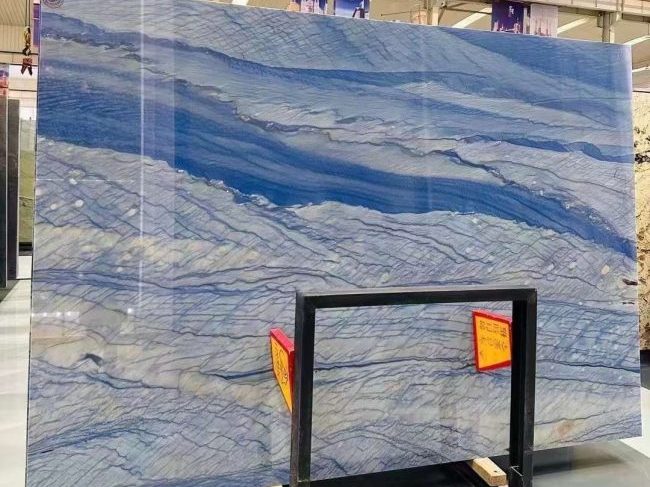
Natural Translucent Stone
Because of its outstanding light transmission and natural beauty, a one-of-a-kind stone material that is much sought after in modern architecture and décor is a natural transparent stone. Usually, the stone material in issue consists of transparent or translucent minerals. Its high refractive index also gives it the capacity to show a mesmerizing light transmittance effect following light exposure. One of the main features of natural transparent stone is its light transmittance. This feature enables the stone to offer a pleasant light transmission effect when subjected to irradiation of lights from the outside, therefore generating an ambiance that is warm, romantic, and dreamlike for the interior area. Furthermore, the rather natural surface roughness of premium translucent stone gives people the sensation of seeing absolutely nothing. Neither the side nor the rear of the goods show any obvious pores; the back is smooth and bumps and unevenness-free. The product’s thickness runs consistently.

We are not discussing a layer of film stacked on top; rather, the upper and bottom layers of the product are consistent over the whole body.
Natural transparent stone is used extensively in many different sectors, including but not limited to interior design, the building of curtain walls, lighting fixtures, artworks, and other fields, thanks in great part to its outstanding light transmission and beautiful look. In the interior decoration sector, transparent stone can be used for flooring, ceilings, walls, and so forth. One can create a unique creative atmosphere by letting light stream through it. Translucent stone can be sculpted into a range of forms and subsequently placed on the glass of curtain walls in big constructions. This makes it possible to reach outstanding benefits in durability and anti-fouling. Many translucent lamps, which help to improve the visual levels and dynamism of a room, are also made from clear stone. It is also used in the production of a range of artistic works, including piano soundboards, murals, sculptures, and other such objects.


Transparent stone can be used in a wide range of applications, including but not limited to: hotels, hotels, business buildings; dance halls, discos, cafes, and other entertainment venues; and families to create translucent curtain walls, ceilings, translucent furniture, various countertops, translucent lampshades, lighting, lamp posts, crafts, and other items with distinctive decorative effect. Modern architecture and décor are using natural translucent stone more and more because of its unique transparent effect and natural texture. It presents a great range of choices and an endless number of possibilities for space design. To guarantee the building quality and construction impact as well as to prevent construction dangers and accidents, it is imperative to enhance the monitoring of technical quality during building. This kind of stone must be employed even if it improves the appearance of the construction and helps the building form to be more atmospheric visually. Thanks to technological advancement and government support, the sector of natural transparent stone will open fresh development prospects and encourage continuous innovation and development in the building and decorative spheres.
Artificial Translucent Stone
Artificial translucent stone is a new kind of composite material sometimes referred to as artificial stone translucent board. Classed as a synthetic polymer product under composite materials, it is The environment benefits from this synthetic stone material since it combines natural stone textures with light-absorbing properties. The transparency of stone is one of its most remarkable qualities; it may create a wonderful light penetration effect when subjected to irradiation of outside light. This trait helps to create an interior space that is dreamy, cozy, and romantic. By letting light pass through the transparent stone, it is able to create a one-of-a-kind light and shadow effect with a very great light transmittance. Its very variable hue and texture enable it to satisfy the needs of a great range of architectural styles.
Apart from its unique effect on the transmission of light, transparent stone performs remarkably in useful applications. Its great resistance to wear and strength help to maintain the beauty and stability of the material even after extended use. Not only does it have the features of being impermeable, fireproof, and anti-pollution, but it also has these traits that help it maintain its quality and elegance in a range of environments. Transparency stone has several advantages non-radioactivity, non-toxicity, flame retardancy, non-stick oil, non-fouling, antibacterial and mildew-proof qualities, wear-resistant, impact-resistant, easy-to-maintaining, seamless splicing, and arbitrary shape.

Transparency stone can be used in many different field contexts, including the decoration of interior spaces, the building of curtain walls, lighting fixtures, artwork, and other field projects. Interior design can make use of transparent stone for flooring, ceilings, walls, and other features among other uses including partitions and ceilings. This enables the transmission of light to provide a unique artistic ambiance. Translucent stone can be formed into a range of forms and subsequently placed to the glass of curtain walls in big constructions. This makes it possible to reach outstanding benefits in durability and anti-fouling. Translucent stone can also be fashioned into a great variety of artistic works, including sculptures, murals, piano soundboards, and other such pieces of art. Transparent stone is often used in the manufacturing of jewelry since it comes in a variety of colors and generates appealing ornamental effects.

Furthermore supporting the broad use of transparent stone are developments in its technology and the widening market for this material. Research and development of new materials and new technologies will help artificial translucent stones to perform even better, lower costs, and extend the application field over the next few years. Translucent stone can be a fresh kind of ecologically friendly building material that makes great use of several resources. With this upscale décor, Stone is a natural element that might be swapped out. Apart from encouraging low-carbon economies, circular economies, and environmental preservation, circular economies also help to sufficiently stop the overuse of natural stone.
A Hotel Case
The project’s background
Using modern design and premium materials can help a five-star hotel in the center of a busy city to enhance both its brand image and the experience it offers to its visitors. After much thought, the hotel’s design team decided that natural translucent stone would be the most noticeable ornamental element for the guest rooms’ walls of the lobby. This decision is being taken to set it apart from other rivals by providing a modern, romantic, and intimate atmosphere.


Concept for the layout
Combining the mildness of natural light with the significant texture of stone will help the design team create a sense of space that is both current and intimate. The one-of-a-kind creative impact created by the translucent stone’s natural texture and color variances will be applied to the hotel’s wall, therefore influencing the room’s layered and dynamic composition. The designer aims to generate an environment of moving light and shadow in the space using the unique qualities of this material, therefore improving the whole visual experience.
Choice of materials
The selected naturally transparent stone is a set of several minerals with about 18-millimeter thickness. This stone has a beautiful color and a distinctive ornamental impact; its texture is really rich. The stone is able to generate a wonderful light transmission effect when exposed to light since it can transfer light. This produces the ambiance of the interior space that reminds of a dream. The hotel wall has a unique personality and attractive look since every individual piece of light-transmitting stone has a different pattern and color.


Process
Regarding the wall decoration project of a five-star hotel located in the middle of a busy city, the installation technique of natural translucent stone shows rather high levels of workmanship and artistic ideas. First of all, the basis upon which the whole installation process is based is the wall preparation. The building crew had to precisely level the wall so that the translucent stone could be installed flatly on the wall. Grinding and leveling are carried out in this process to ensure that the wall is level and smooth. This stage is very crucial to guarantee that any unevenness of the wall does not negatively affect the installation effect or light transmission performance of the transparent stone.

The next phase of the work is stone cutting and installation. Every unique piece of natural translucent stone is painstakingly cut into the required dimensions and contour configuration per design plans. This operation requires a very high degree of accuracy to ensure that the texture of the stone and the effect it generates on light transmission fit the design criteria being used. Workers using expert stone installation tools have the clear stone fastened on the wall. This guarantees a homogeneous light transmission effect and texture direction of every stone throughout the complete installation procedure. Though the translucent stone’s texture is strong, it should nevertheless be handled carefully throughout the installation procedure to avoid any scratches or cracks. Workers must exercise great care to prevent damaging the stone throughout the installation process.
The lighting design is such that it provides the spirit of the whole decorative impact. An LED light strip is placed behind the translucent stone once it has been placed to enhance the light transmission impact. The design of the light gave great attention to environmental protection as well as energy conservation. The light was also spread equally to avoid glare. To create the most suitable visual impression, one can change the color temperature as well as the light’s strength in line with the several times and situations. Apart from enhancing the visual appeal of the space, this adaptable lighting design helps to create a romantic and warm environment within the hotel.


Last but not least, the painstaking attention to detail reveals the extraordinary construction team workmanship. The stone joints are carefully processed to attain smooth splicing and enhance the general beauty. This method calls for an extremely high degree of workmanship to ensure that the joints will be natural-looking and smooth. The constructing crew uses specialist bonding and sealing techniques to guarantee almost undetectable connections between every translucent stone. This is so because the final visual impression could be influenced by any asymmetry of the joints. This painstaking attention to detail helps to bring the whole effect of the wall decoration to a great condition.
Thanks to this sequence of painstakingly produced and constructed stages given here, the hotel wall decoration project has now attained a visual impression that is absolutely crystal clear. The translucent stone adds to the creative atmosphere of the area by displaying a range of rich colors and altering texture under the illumination of lighting. The customer and the designer are very happy with the end product since they think it not only improves the hotel’s quality but also provides guests with a unique visual experience. The flawless execution of this project is evidence of the great potential and unique appeal of natural translucent stone in the framework of high-end architectural decoration.
Frequently Asked Questions
1. What is the primary difference between natural and artificial translucent stones?
Natural translucent stones, such as Onyx and certain Quartzites, are formed over millions of years, offering unique, organic patterns and a high-end luxury feel. Artificial translucent stones (man-made resins or engineered glass) provide greater consistency in color and pattern, are often lighter in weight, and can be produced in larger seamless panels for specific commercial applications.
2. Which natural stone varieties offer the best translucency for backlighting?
Onyx is the gold standard for translucency, allowing light to pass through its crystalline structure with an ethereal glow. Additionally, high-end quartzites like Cristallo and Patagonia feature large translucent quartz sections that create a dramatic visual effect when illuminated from behind, making them perfect for luxury feature walls and bar tops.
3. How does backlighting affect the color and mood of the stone?
Backlighting transforms the stone from a solid surface into a radiant light source. It enhances the depth of the natural veining and can warm up the ambient color of the room. By using adjustable LED temperatures (warm white vs. cool white), designers can change the stone’s appearance from a cozy, amber glow to a sharp, contemporary crystalline brilliance.
4. Are translucent stones durable enough for functional surfaces?
Yes, especially when using translucent quartzites. While onyx is softer and more decorative, quartzites are exceptionally hard and resistant to scratching and heat. At Century Star, we often reinforce thinner translucent slabs with a clear glass or acrylic backing to increase their structural strength for use as countertops, tables, and flooring.
5. What should I consider when planning a backlit stone installation?
Successful installation requires careful planning of the light source and accessibility. Use high-quality LED panels for even light distribution to avoid “hot spots.” It is also crucial to ensure the lighting system is accessible for future maintenance without dismantling the stone. We recommend consulting with Century Star experts to coordinate the structural support and electrical integration seamlessly.