


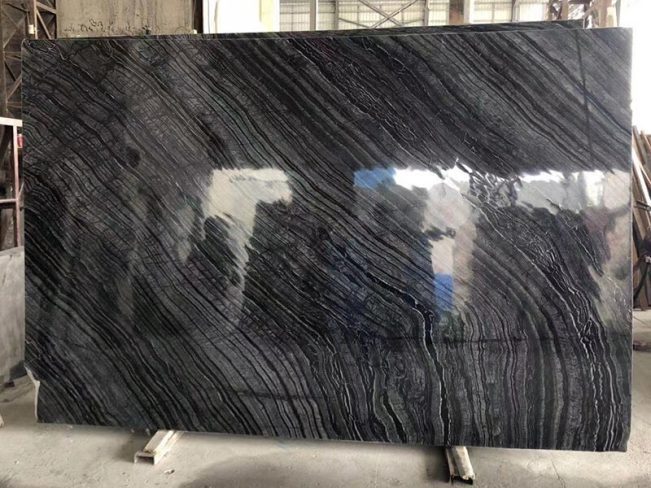
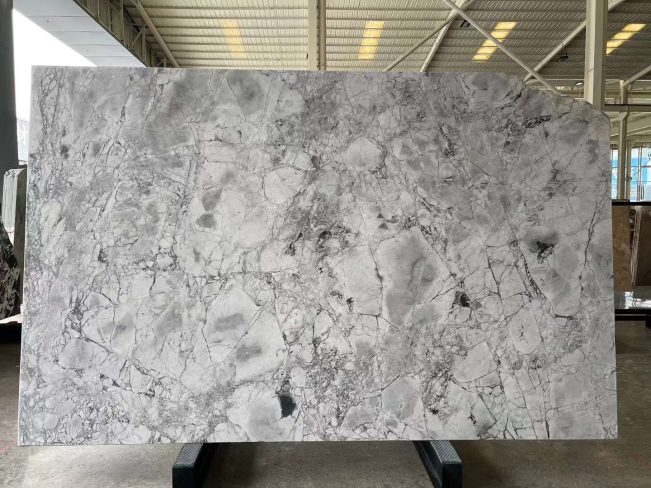
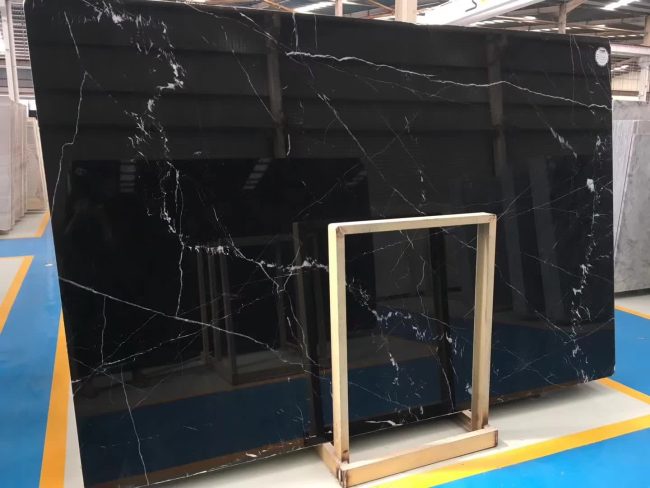
Bends that natural stone cannot achieve can be easily achieved with 5 hot bending processes of rock slabThe existing bending processing methods of stone mainly include: ultra-thin stone, direct cutting processing by wire saw,and external force extrusion. However, the disadvantages are also obvious. It is not thick enough, has many consumables, and has a small arc. If you want to balance the above problems, there is another solution,
which is hot bending technology.

01. Hot bending technology
 | Core principleIt is to make the rock slab plastic at high temperature and quickly bend it into the required shape and keep the new shape during the cooling process to achieve various curved surface shaping processes. Hot bending can not only maintain the original physical properties of the rock slab, but also extend its toughness. |  |
Hot bending materialsFirst of all, it should be made clear that not all types of stone are suitable for hot bending processing, especially natural stone. Due to composition, structure and other reasons, it is easy to crack or deform during heating. The hot bending processing is mainly rock slabs. It is made of natural raw materials such as natural stone powder and feldspar. After being pressed by a press, it is fired at a high temperature of more than 1200℃. Therefore, the rock slab can withstand high temperature processing.
| | General steps1. Preliminary preparation: Determine the appropriate heating temperature and time according to the type and thickness of the rock slab. 4. Cooling and shaping: After heating, keep the bent material in the mold to cool naturally. The cooling process generally takes several hours, depending on the thickness and size of the rock plate. |

trimming and polishing on the bent rock plate material to ensure that its surface is smooth and consistent. Clean the surface to remove dust and stains.

02. Process limitations
Of course, hot bending technology is not omnipotent. It still faces many limitations and challenges in practical applications

Material thickness
Generally speaking, the common specifications and thicknesses on the market can achieve hot bending effects. Rock slabs with a thickness of 6mm-12mm are more
suitable for hot bending. At present, hot-bent rock slabs can basically achieve 120° large-angle bending. Some brands can achieve 180° bending.
Precautions
To ensure the perfect presentation of the final effect, the temperature, time, bending angle, etc. need to be strictly controlled during the process.
1. Proper preheating and cooling. Preheating can gradually adapt the rock slab to deformation.
2. The process should be heated evenly to avoid overheating and local overheating, and prevent cracks due to uneven temperature. The heating temperature is usually
between 600℃-800℃, and thicker plates require higher temperatures such as 1200℃. The heating time depends on the material and thickness of the rock board used,
usually 4-6 hours.
3. After the hot bending is completed, the heating cannot be stopped immediately. The temperature should be gradually reduced to allow the rock board to cool naturally
in the mold. This ensures that its shape is stable and not easy to rebound. The cooling time depends on the rock board material used, usually 6-8 hours
03. Conclusion
Although there are many challenges, the hot bending process has brought unique design possibilities to the fields of architecture, interior design and decoration. The application prospects in the design field are still broad. With the continuous advancement and innovation of technology, we are expected to see more creative and beautiful hot bending works in the future.
