


Background Information
Long a favorite architectural and design material, travertine is a naturally occurring limestone with a rich geological past. This stone, prized for its strength and beauty, grows in hot springs by progressively depositing minerals. Marble’s porous surface offers a plethora of ornamental and practical possibilities, with the option to leave it raw or polish it for a stunning finish. From classical Roman structures to modern homes and businesses, all have benefited from the timeless elegance of marble. Applications range from flooring and pavers to statement pieces like dining and coffee tables.
 Create Applications with a Focus on Color Schemes
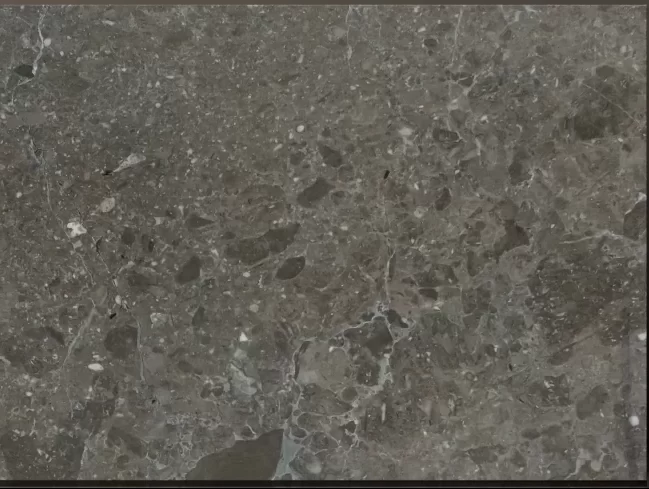
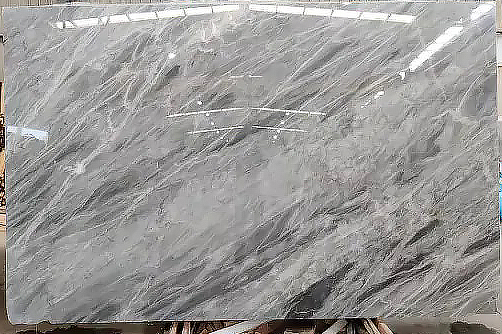
Colors are abundant for designers; they include everything from the subtle tones of white to the striking patterns of silver. Every color creates a different mood in a room. For instance, ivory gives off a warm atmosphere and silver travertine gives off a sleek, contemporary vibe. travertine slab, which is constructed into travertine tables like circular travertine coffee table and travertine console tables and travertine side table , highlight the strength and beauty of the stone. natural stone tiles add visual depth and refinement to bathrooms and kitchen backsplashes. The French pattern’s ornate veining elevates any area, and its warm natural color tones and pure white appeal to a wide range of design inclinations.
Graceful Aesthetics in the Open Air
Beyond the house, this stone finds extensive application in landscape and outdoor architecture. For building visually beautiful and useful walkways, patios, and pool decks, travertine pavers and installations are used because of their longevity and inherent attractiveness. A pool deck not only provides a non-slip, safe surface, but it also enhances the pool’s appearance. Elegant borders for water features blend beauty and function. Utilizing tiles outside highlights the stone’s ability to resist a range of weather conditions in patios and other outdoor elements, allowing a smooth transition from indoor to outdoor spaces.
 Incorporating travertine into diverse stone materials
Combining travertine with other natural stones can produce visually dynamic spaces; for example, marble’s sophisticated polish can contrast sharply with travertine’s rustic appeal. Marble is perfect for eye-catching backsplashes or counter tops. Granite’s strong patterns offer a balanced texture that makes it a viable option for bathroom vanities and kitchen islands that need to resist wear and tear. With its more muted tones, limestone makes a wonderful wall cladding or ornamental border material that complements travertine floors without taking over. Slate’s black elegance makes it ideal for floor inlays or accent walls that add travertine-centric design depth. For outdoor uses that go well with travertine pavers, such as paths or garden walls, the warm tones of sandstone provide a comfortable match. A chic alternative to travertine for feature walls or outdoor patios. The sumptuous transparency of onyx may give areas where travertine dominates a lavish touch, making it a magnificent backdrop or accent piece. With its complex veining, quartzite makes a striking contrast to the porous surface of travertine for furniture tops or ornamental panels. Basalt grounds a room with its dark, volcanic charm; it works particularly well as an anchoring fireplace surround or for outdoor landscaping. Finally, the little, rounded pebbles of pebblestone can provide a lovely tactile and visual component to mosaic backsplashes or bathroom floors, contrasting with travertine to create a textured yet unified design.
 Maintaining, Sustaining, and Advancing to the Future
The stone requires a delicate touch while still honoring its inherent qualities. Regular washing with non-acidic solutions and sealing with a proper sealer ensure longevity. Its durability and minimal maintenance make it a sustainable option for those concerned about environmental impact. The future for this stone is promising as design trends evolve, with new methods and technologies likely to enhance its application and preservation. This stone’s versatility offers an endless canvas for creativity. Further extending its use in design are trays, end tables, and ornamental features like lamps.
The Importance to Cultural and Artistic Heritage
One cannot overstate the cultural and artistic value of this stone. Historically used in Roman architecture, it continues to have modern applications. Its unique properties have made it a medium for artistic expression, seen in the intricate work of Italian artisans and the use of tables and ornamental components in various art movements. By referencing this rich past, current design pushes the envelope of creativity. Combining this stone with others can create diverse palettes. For instance, the deep richness of granite countertops or the cool serenity of marble floors can elegantly complement the cream tones. This not only adds variety but also a sense of luxury to the design. Beyond color, the textures of different stones are crucial. The rugged look of tumbled travertine paired with the smooth finish of polished marble offers a tactile and visual contrast that enriches any space.
Enduring Legacy
Ultimately, travertine’s long history in design is evidence of its classic beauty, versatility, and usefulness. Few materials compare to the depth of character and durability it provides for furniture, flooring, interior accents, and outdoor declarations. As we continue to seek exquisite and long-lasting materials for our homes, this stone stands out as a shining example of sustainability and excellence, adaptable to the creative ideas of imaginative minds for many years to come.