


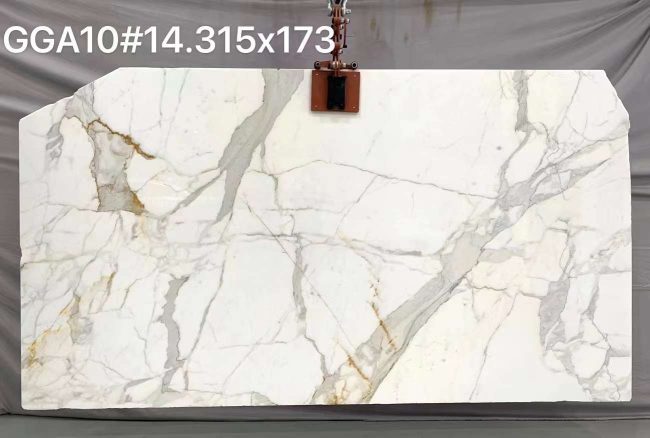
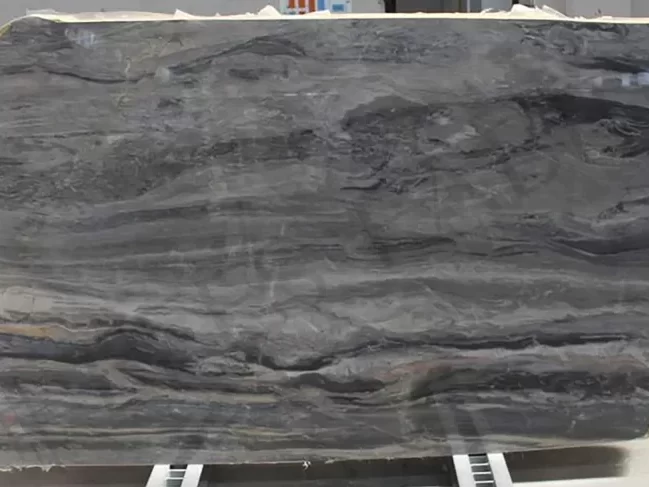
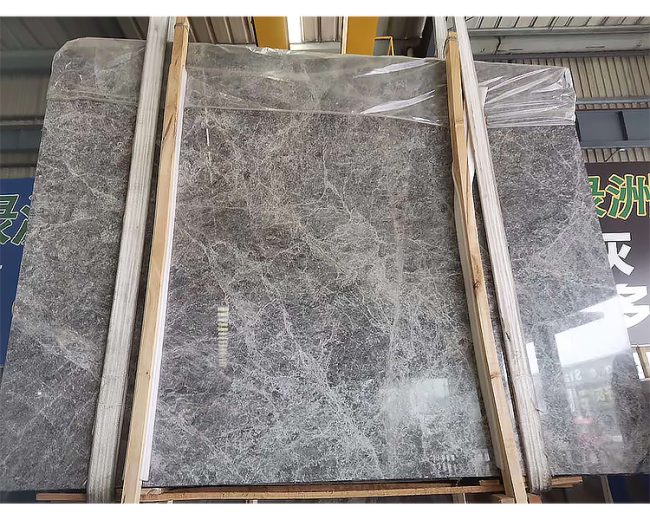
Waterproof Stone has been the preferred material for many designers and owners in the world of building decorating because of its distinctive texture, great temperamental character, and spectacular physical attributes. Stone has all of these attributes, hence this is why. Though it is lovely, stone has a deadly flaw: one is afraid of water. In the case that the stone is not waterproofed, it is like hiding a time bomb under the beautiful coat; it could show itself as illness at any point and quickly reduce the stone’s appeal. Water describes stone as a “invisible killer” since it is the resource used most often but still vital on Earth. The stone boasts an endless number of fractures and pores. From appearance, these perforations are as tiny as “nets”. Should they come upon water, they will quickly become infested. Should water molecules pass through the stone, they will start a sequence of intricate chemical processes that could lead to the stone forming a lesion and maybe resulting in major structural damage. The natural surroundings include groundwater, surface water, atmospheric water, water from the tap, among other several kinds of water. Like a peaceful struggle, these waves are erasing the stone; this war causes stone to be in a continual state of agony.


One of the main causes of stone sickness is the “lurker” buried beneath the earth, groundwater.
Groundwater contained in the complex composition of rocks and soil finds residence in their pores. Among other types of life, it could have organic matter, minerals, and microorganisms. These elements will start a series of ailments whenever they reach the stone. We seen at the Shenzhen and Changsha subway stations the “destructive power” of groundwater on stone. The ground stone of the subway station has noticeable water marks and yellow areas. These flaws not only affect the appearance of the stone but also shorten the possible lifetime for its intended usage. Groundwater keeps peping into the stone’s fractures and fissures. Water will still leak out of the stone’s surface regardless of whether or not the gaps are closed, therefore producing an unattractive scale. The complicated composition of groundwater, which contains a great range of minerals and contaminants, defines it. Whereas impurities cause the surface of the stone to degrade and turn discoloured, white water spots result from the crystallization of these minerals inside the stone. These lesions not only make treatment difficult but also keep gradually worsening over time.

Though it looks to be clean and benign, surface water—which includes rivers, lakes, rain, and other forms—has a significant negative impact on stone. As surface water moves throughout the surroundings, it carries a great lot of minerals and toxins. These compounds will cling to the stone’s surface and even pass through it, generating pathogenic alterations. In some buildings situated near rivers or lakes, a surface water intrusion is especially a concern. The minerals and impurities found in the surface water will come into touch with the stone under the conditions of rainwater erosion and floods, therefore giving the stone surface a discoloured and corroded appearance. The minerals in the surface water will be present, hence even in dry conditions, a coating of scale will be difficult to remove from the surface of the stone.
Atmospheric water, or the moisture in the air, is the “enemy” we most usually overlook. The source of atmospheric water, quite rich in minerals and compounds, is the evaporation of water from rivers, lakes, seas, and other bodies. Moreover, the destructive impact on stone is particularly strong in places with industrial development. This is so because these places have higher pollution concentration in the atmospheric water. Certain coastal towns will find that the salt in the atmospheric water accelerates the deterioration of stone. The salt will crystallize under the drying process and create surface fractures on the stone. This will happen once the salt is included into the stone. These defects not only impair the look of the stone but also aggravate water intrusion, which fuels a vicious cycle.

Though we utilize this water source most often in our daily life, tap water also offers a harm to stone that has to be disregarded. Even after the water from the tap has been filtered, a great range of minerals and toxins remain present in it. These compounds cause the surface of the stone to grow a layer of scale, which will affect the stone’s brilliance and appeal. Within the field of interior design, the kitchen and bathroom are the most likely sites of stone lesions. The water used in the kitchen include oil, salt, acidic and alkaline substances as well. Should these chemicals get into touch with the stone, they will discolor it and inflict significant surface damage. Urine might mix with the water in the bathroom and create an alkaline environment that would worsen the damage to the stone surface.

Though there are several other kinds of stone lesions, white bloom events, water spot marks, yellow spots, salt crystallization, and chemical deterioration account for most of the instances. The kind of stone lesions most commonly seen are those known as white bloom phenomena. White crystals will form as the dissolved minerals surface the stone during the water inside the stone evaporation process. Most often seen in wet-constructed stones, especially in cases involving cement mortar, this phenomena is When a stone absorbs too much water, it results in water spot stains whereby the surface color is more intense and traces difficult to remove are left behind. Particularly in ground stone, this specific lesion is somewhat common, especially in highly humid environments. Usually, the interaction of iron-containing pollutants on the surface of the stone with the air generates yellow rust patches. One can find this disorder present even in areas close to lakes or rivers. The evaporation of water inside the stone produces salt crystals; the salts that remain behind crystallize on the surface of the stone to produce a white powder. This lesion is rather frequent in coastal houses. Acidic or alkaline compounds interacting on the surface of the stone produce chemical corrosion that causes the surface to degrade and lose its gloss. This lesion is present in many kitchens and bathrooms among others.

Water is mostly responsible for stone diseases; so, waterproofing is regarded as the “protective shield” of stone. By means of waterproofing treatment, one can efficiently stop water access, therefore lowering the likelihood of stone lesions development. There are several ways to waterproof; one can choose waterproof materials, apply building construction technology, or maintain the integrity of the waterproof layer. Choosing premium waterproof materials is the pillar in guaranteeing the obtained waterproofing effect. Common materials used for waterproofing are polymers, polyurethane waterproofing coatings, asphalt waterproofing membranes. These materials offer good waterproofing and durability as well as great capacity to efficiently stop water from infiltrating. The waterproof building technique construction approach calls for a strict respect to pertinent criteria including surface preparation, coating process, and drying time. Ground must be completely cleaned to guarantee that it is level and dry before building starts. The waterproof layer has to be totally coated throughout building. This guarantees no breaks in the coating, breakpoints, or jams. There ought to be no breakpoints, jams, or missing coatings; the waterproof layer should be totally covered. Once the building is finished, maintenance should be scheduled with a predefined period of time to guarantee that the waterproof layer is entirely dry. Water cannot be sufficiently stopped from penetrating by means of a completely waterproof coating alone. A good drainage system can help to greatly lower the concentration of stone lesions and help to control the water collecting amount. One such a problem resulting from the insufficient drainage system of subway stations is the ground stone lesion problem brought on by groundwater continuously invading the ground.


The Shenzhen metro station’s ground stone looks noticeably different now due to large water stains and yellow patches than it did in past. After the investigation, it was discovered that the poor drainage system and groundwater intrusion mostly bear blame for these damages. The subway station engaged in the following actions to handle this problem: Furthermore, the drainage system was changed to guarantee that groundwater would not seep into the ground and that a professional cleaned and covered the previously sick stones. There was total waterproofing on the ground using premium waterproof coatings. Following these guidelines has helped the stone lesions in the subway station to be reasonably under control and their appearance has much improved. A luxury house’s living room floor features multiple water spots and white floral occurrences over the stone. Following investigation, it was discovered that the main reason these issues arose was the use of cement mortar during building, which let water pass through the stone via the pores. The house adopted the following actions to handle this issue on the agenda: A professional stone lesion remover was used for the removal of the stone lesion; a six-sided protection treatment was applied to the stone to increase its waterproof performance; hence, for the subsequent decoration, dry hanging was used instead of wet building, and wet construction was strictly avoided. Following these guidelines guaranteed that the stone would remain beautiful and useful as well as help to control any stone lesions in the house.
Stone lesions are caused by water reaching the surface of the ground and entering it. Therefore, the prevention of stone lesions is mostly dependent on the correct waterproofing of the ground. The selection of high-quality waterproof materials, the implementation of stringent building practices, and the installation of a drainage system that is perfect can significantly reduce the incidence of stone lesions and help to stop water penetration. In order to restore the beauty of stones that have previously formed lesions and to extend their service lifetime, it is important to seek professional treatment in a timely manner. In the context of architectural decoration, the application of a waterproof treatment to stone assists not only to maintain the stone’s natural beauty but also to extend the overall lifespan of the edifice. It is only through proper maintenance and waterproofing that the stone will be able to maintain its unique appearance over the course of time and go on to become an enduring classic in architectural embellishment.
Why Do Stones Need Waterproofing?
Stone has been the preferred material for many designers and owners in the world of building decorating because of its distinctive texture, great temperamental character, and spectacular physical attributes. Stone has all of these attributes, hence this is why. Though it is lovely, stone has a deadly flaw: one is afraid of water. In the case that the stone is not waterproofed, it is like hiding a time bomb under the beautiful coat; it could show itself as illness at any point and quickly reduce the stone’s appeal. Water describes stone as a “invisible killer” since it is the resource used most often but still vital on Earth. The stone boasts an endless number of fractures and pores. From appearance, these perforations are as tiny as “nets”. Should they come upon water, they will quickly become infested. Should water molecules pass through the stone, they will start a sequence of intricate chemical processes that could lead to the stone forming a lesion and maybe resulting in major structural damage. The natural surroundings include groundwater, surface water, atmospheric water, water from the tap, among other several kinds of water. Like a peaceful struggle, these waves are erasing the stone; this war causes stone to be in a continual state of agony.
One of the main causes of stone sickness is the “lurker” buried beneath the earth, groundwater.
Groundwater contained in the complex composition of rocks and soil finds residence in their pores. Among other types of life, it could have organic matter, minerals, and microorganisms. These elements will start a series of ailments whenever they reach the stone. We seen at the Shenzhen and Changsha subway stations the “destructive power” of groundwater on stone. The ground stone of the subway station has noticeable water marks and yellow areas. These flaws not only affect the appearance of the stone but also shorten the possible lifetime for its intended usage. Groundwater keeps peping into the stone’s fractures and fissures. Water will still leak out of the stone’s surface regardless of whether or not the gaps are closed, therefore producing an unattractive scale. The complicated composition of groundwater, which contains a great range of minerals and contaminants, defines it. Whereas impurities cause the surface of the stone to degrade and turn discoloured, white water spots result from the crystallization of these minerals inside the stone. These lesions not only make treatment difficult but also keep gradually worsening over time.
Though it looks to be clean and benign, surface water—which includes rivers, lakes, rain, and other forms—has a significant negative impact on stone. As surface water moves throughout the surroundings, it carries a great lot of minerals and toxins. These compounds will cling to the stone’s surface and even pass through it, generating pathogenic alterations. In some buildings situated near rivers or lakes, a surface water intrusion is especially a concern. The minerals and impurities found in the surface water will come into touch with the stone under the conditions of rainwater erosion and floods, therefore giving the stone surface a discoloured and corroded appearance. The minerals in the surface water will be present, hence even in dry conditions, a coating of scale will be difficult to remove from the surface of the stone.
Atmospheric water, or the moisture in the air, is the “enemy” we most usually overlook. The source of atmospheric water, quite rich in minerals and compounds, is the evaporation of water from rivers, lakes, seas, and other bodies. Moreover, the destructive impact on stone is particularly strong in places with industrial development. This is so because these places have higher pollution concentration in the atmospheric water. Certain coastal towns will find that the salt in the atmospheric water accelerates the deterioration of stone. The salt will crystallize under the drying process and create surface fractures on the stone. This will happen once the salt is included into the stone. These defects not only impair the look of the stone but also aggravate water intrusion, which fuels a vicious cycle.
Though we utilize this water source most often in our daily life, tap water also offers a harm to stone that has to be disregarded. Even after the water from the tap has been filtered, a great range of minerals and toxins remain present in it. These compounds cause the surface of the stone to grow a layer of scale, which will affect the stone’s brilliance and appeal. Within the field of interior design, the kitchen and bathroom are the most likely sites of stone lesions. The water used in the kitchen include oil, salt, acidic and alkaline substances as well. Should these chemicals get into touch with the stone, they will discolor it and inflict significant surface damage. Urine might mix with the water in the bathroom and create an alkaline environment that would worsen the damage to the stone surface.
Though there are several other kinds of stone lesions, white bloom events, water spot marks, yellow spots, salt crystallization, and chemical deterioration account for most of the instances. The kind of stone lesions most commonly seen are those known as white bloom phenomena. White crystals will form as the dissolved minerals surface the stone during the water inside the stone evaporation process. Most often seen in wet-constructed stones, especially in cases involving cement mortar, this phenomena is When a stone absorbs too much water, it results in water spot stains whereby the surface color is more intense and traces difficult to remove are left behind. Particularly in ground stone, this specific lesion is somewhat common, especially in highly humid environments. Usually, the interaction of iron-containing pollutants on the surface of the stone with the air generates yellow rust patches. One can find this disorder present even in areas close to lakes or rivers. The evaporation of water inside the stone produces salt crystals; the salts that remain behind crystallize on the surface of the stone to produce a white powder. This lesion is rather frequent in coastal houses. Acidic or alkaline compounds interacting on the surface of the stone produce chemical corrosion that causes the surface to degrade and lose its gloss. This lesion is present in many kitchens and bathrooms among others.
Water is mostly responsible for stone diseases; so, waterproofing is regarded as the “protective shield” of stone. By means of waterproofing treatment, one can efficiently stop water access, therefore lowering the likelihood of stone lesions development. There are several ways to waterproof; one can choose waterproof materials, apply building construction technology, or maintain the integrity of the waterproof layer. Choosing premium waterproof materials is the pillar in guaranteeing the obtained waterproofing effect. Common materials used for waterproofing are polymers, polyurethane waterproofing coatings, asphalt waterproofing membranes. These materials offer good waterproofing and durability as well as great capacity to efficiently stop water from infiltrating. The waterproof building technique construction approach calls for a strict respect to pertinent criteria including surface preparation, coating process, and drying time. Ground must be completely cleaned to guarantee that it is level and dry before building starts. The waterproof layer has to be totally coated throughout building. This guarantees no breaks in the coating, breakpoints, or jams. There ought to be no breakpoints, jams, or missing coatings; the waterproof layer should be totally covered. Once the building is finished, maintenance should be scheduled with a predefined period of time to guarantee that the waterproof layer is entirely dry. Water cannot be sufficiently stopped from penetrating by means of a completely waterproof coating alone. A good drainage system can help to greatly lower the concentration of stone lesions and help to control the water collecting amount. One such a problem resulting from the insufficient drainage system of subway stations is the ground stone lesion problem brought on by groundwater continuously invading the ground.
The Shenzhen metro station’s ground stone looks noticeably different now due to large water stains and yellow patches than it did in past. After the investigation, it was discovered that the poor drainage system and groundwater intrusion mostly bear blame for these damages. The subway station engaged in the following actions to handle this problem: Furthermore, the drainage system was changed to guarantee that groundwater would not seep into the ground and that a professional cleaned and covered the previously sick stones. There was total waterproofing on the ground using premium waterproof coatings. Following these guidelines has helped the stone lesions in the subway station to be reasonably under control and their appearance has much improved. A luxury house’s living room floor features multiple water spots and white floral occurrences over the stone. Following investigation, it was discovered that the main reason these issues arose was the use of cement mortar during building, which let water pass through the stone via the pores. The house adopted the following actions to handle this issue on the agenda: A professional stone lesion remover was used for the removal of the stone lesion; a six-sided protection treatment was applied to the stone to increase its waterproof performance; hence, for the subsequent decoration, dry hanging was used instead of wet building, and wet construction was strictly avoided. Following these guidelines guaranteed that the stone would remain beautiful and useful as well as help to control any stone lesions in the house.
Stone lesions are caused by water reaching the surface of the ground and entering it. Therefore, the prevention of stone lesions is mostly dependent on the correct waterproofing of the ground. The selection of high-quality waterproof materials, the implementation of stringent building practices, and the installation of a drainage system that is perfect can significantly reduce the incidence of stone lesions and help to stop water penetration. In order to restore the beauty of stones that have previously formed lesions and to extend their service lifetime, it is important to seek professional treatment in a timely manner. In the context of architectural decoration, the application of a waterproof treatment to stone assists not only to maintain the stone’s natural beauty but also to extend the overall lifespan of the edifice. It is only through proper maintenance and waterproofing that the stone will be able to maintain its unique appearance over the course of time and go on to become an enduring classic in architectural embellishment.