


Natural blue stones (Blue Sodalite Granite) come in numerous varieties, and their appearance is a phenomena involving the intricate interaction of several sciences, including geology, chemistry, physics, and biology. By contrast, blue stones are somewhat rare. First of all, it is important to keep in mind that the production of blue stones depends on particular chemical elements and conditions, thereby guiding the process of chemical composition analysis.

One instance of this would be the presence of sulfur ions, which provide the stone lapis Lazuli its distinctive blue hue. But the crust of the earth has very few of these components, which restricts the broad distribution of blue minerals. Furthermore under control is the growth of blue stones by physical processes mostly related to the interaction of crystal structure with ions. This is a major contributing reason to the blue stone development. This interaction affects which areas of the spectrum are reflected and absorbed, which finally results in the creation of the blue color visible before our eyes.
Another factor that greatly influences the scarcity of blue stones by major contribution is the geological conditions. Blue mineral production is sometimes associated with particular geological settings, like pegmatites and particular metamorphic rocks, which are traits of formation conditions relatively unique. Another form of metamorphic rock are pebbles. Pegmatites, for example, often develop deep inside the crust of the earth under circumstances marked by very high temperature and pressure. Geological motions follow these conditions and help to bring the pegmatites to the surface. Successful application of this method depends on a geological backdrop with somewhat exact tectonic activity. Furthermore possible is the connection between the existence of rare elements like bismuth and antimony and the development of blue minerals. Not only rare in the crust of the earth, these components have chemical properties that make it challenging for them to create stable blue minerals.

Another aspect that contributes to the limited availability of blue stones is the process of natural selection, which happens throughout time. In the plant world, the phenomena of blue blossom emergence is somewhat rare. This is so because the synthesis of blue calls for plants to synthesis complicated macromolecules. This is the reason this is so. These macromolecules’ capacity to reflect blue light and absorb red light sets off a process for which plants must expend a lot of energy. Blue is produced in the animal kingdom by physical structures, such as nanostructures in feathers or scales, which reflect light to generate a blue effect; chemical pigments are not usually used in this regard. This is the general case. This structural hue is quite rare in the natural world; so, it is crucial to create it by means of fine microstructures to provide the intended result.
Furthermore, it is a reality that the value of blue stones is exactly correlated with their rare nature. Blue colors like ultramarine were quite costly in medieval Europe because of their limited availability from their sources. This was the situation all through historical times. These hues were chosen mostly to show illuminated texts, so serving a purpose. Blue stones have a great worth as a result of their great part in human creative and cultural activities; this value reflects the relevance of this color. Certain events that have happened during the course of geological history, such the collision of continents and the activity of tectonic plates, could have produced the circumstances necessary for blue mineral creation. Conversely, one of the reasons behind the limited dispersion of blue minerals is the infrequent nature of these events.
Apart from their direct connection to the scarcity of blue stones, the methods of creation and preservation of these stones directly reflect the numerous traits mentioned above. Over the long geological history of the Earth, several rocks will be exposed to a spectrum of geological processes. These procedures comprise weathering, erosion, and others; they will finally cause blue minerals to be destroyed or altered. This implies that the processes occurring in the geological environment have probably not helped blue minerals to be maintained to this day. This is the situation even in the surroundings where blue minerals develop. Further depleting the natural supply of blue minerals is the possibility of human activities as mining and construction upsetting their environments. The biodiversity of the blue minerals will suffer from this.
One can make a link between the fact that blue stones are unique from other stones found in nature and their aesthetic worth. People generally believe that blue is connected with the sea and the sky, which helps them to get a sense of expansiveness, depth, and peace. In their natural form, blue stones are more valuable and striking as this color is somewhat rare. This is so because blue stones attract more people visually. Our inclination for the color blue could be explained by both psychological and biological composition. Blue stones have become rather popular in the domains of art and home design since the color blue may arouse a great spectrum of emotions and connections in us.


Africa Blue Sodalite Granite
Rich blue and strikingly veining patterns make Africa Blue Sodalite Granite, sometimes known as Namibian Sodalite, a fascinating and distinctive stone prized. Originally from Namibia, more especially from the Okahwa area of the Huila Plateau of Ovambo, this Blue Sodalite granite is unique in its deep navy to vivid royal blue colors, evocative of the azure seas of the ocean.
Mostly composed of the mineral sodalite, which gives this metamorphic rock its unique blue hue, this rock is created by the recrystallization of minerals under great heat and pressure. Its unusual aesthetic and physical qualities also stem from other minerals including feldspar, calcite, and pyrite.
Countertops, wall cladding, flooring, and decorative accents among other uses fit the Africa Blue Sodalite Granite. Its hardness and durability help it to resist discoloration, heat, and scratches, so guaranteeing that it can be used daily and yet retain its beauty.

The density of the stone is 2650 kg/m¹; its water absorption rate is 0.4%; its flexural strength is 16.2 MPa; its compressive strength is 179.8 MPa. Both home and commercial building projects would find great strength and dependability from these qualities.
Africa Blue Sodalite Granite can have somewhat different veining and color, thus approved swatch samples for major projects are crucial to guarantee consistency throughout the installation. A clear epoxy resin filler can be applied to improve the surface smoothness while polishing, therefore producing an even smoother look without compromising the integrity of the stone.
Among the aliases for Blue Sodalite Granite are Africa Blu, African Blue, Blue Sodalite, Namibia Blue Sodalit, and Sodalite Blue. This is a rare coarse-grained intrusive igneous rock having a feldspathoid mineral concentration more than 60%. It is a foidolite.
About 20 hectares of this Blue Sodalite granite are mined close to Swartbooisdrif, Okahwa, Namibia at a quarry with a limited annual yield of almost 500 cubic meters. Finished goods are put into sea-worthy wooden crates for shipment; it is exported in several block sizes, fit for different uses.
Ultimately, Namibia’s beautiful and adaptable stone, Africa Blue Sodalite Granite, lends a little of elegance and sophistication to every environment. For a variety of interior and outside design projects, its unusual hue, robustness, and wear resistance make it a great choice.
Blue Sodalite Granite
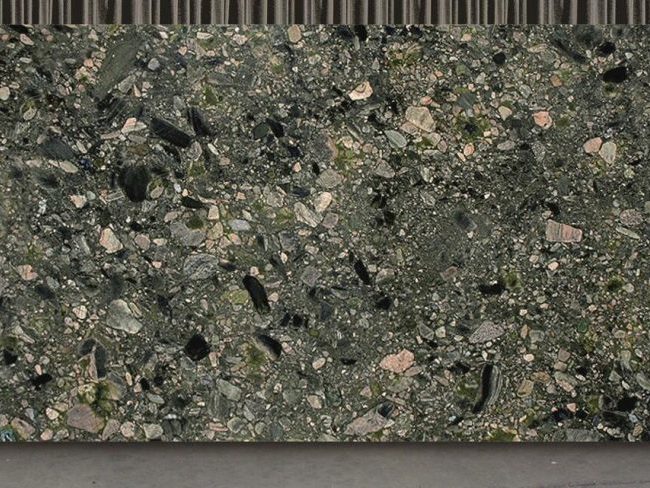
Blue Sodalite Granite, sometimes called “Inka Blue Sodalite”—or “Royal Blue Sodalite—”is a remarkable and uncommon natural stone mined in the Bolivian Andes. Popular for its distinctive blue-gray color and arresting patterns, this Blue Sodalite granite is perfect for many decorative and interior projects.

Origin and Personality characteristics
Originally from Bolivia—more notably, the Andean area—blue sodalite granite exhibits a deep dark blue color widely sought for in the stone industry. The black sodalite veins of the stone are particularly remarkable; they elegantly meander across its surface and the whole look complexity and attractiveness. Depending on the specific quarry Blue Sodalite comes from, its color and pattern may vary between one slab to another. Generally speaking, however, its medium-grain texture and polished finish reflect glossiness, so accentuating its beauty even more.
Use and Prospectives
Kitchen and bathroom counters, building stone, ornamental stone, stairs, interior and exterior wall and floor applications, mosaic, waterjet pattern, balustrades, fireplaces surround, columns, wall panels, and tabletops are just a few of the several applications for Blue Sodalite Granite. Capturing the geological diversity and beauty of the Bolivian Andes, its excellent look features blue-gray tones and stunning sodalite veins. By incorporating a little of natural artistic ability into interior design projects, this unusual stone creates a dramatic focal point and enhances the look of any area.
mechanical attributes
This Blue Sodalite granite is composed of calcite, pyrite, and lazulite, which creates a vibrant mix of practically unmatched brilliance. Rich in light blue tones, cobalt blue, dark blue backdrop, veins of white or silver, and occasional black incursions. Sodalite blue granite slabs have a compact texture and amazing durability, much as any other granite slab. High traffic areas would find the stone’s resistance to staining and durability ideal; its unique color and pattern make it a major component in any design.
Final Decisions
Various design preferences will be addressed by polishing Blue Sodalite Granite in numerous ways. While the polished finish enhances the natural beauty and richness of color, the honed or brushed treatment gives the stone a more subdued and subtle look. Tumbled, brushed, honed, split, machine cut, natural surface, sandblasted, combed, levered, water jet, filled, chiseled, and pickled are some further finishing options.

Value and Restlessness:
Because of their rarity and prestige, blue sodalite granite slabs are used nearly only in luxury and premium projects. This stone is a highly sought-after material for individuals looking for a unique and luxurious accent to their projects since its limited production justifies its quite reasonable price.
Azul Macaubas Quartzite
Originally from Brazil, more notably from the region known for its mineral riches, Azul Macaubas Quartzite is a lovely and highly sought-after stone. Classed as a quartzite, this natural stone has transformed its sandstone predecessor into a thick, strong rock with a crystalline structure most common in quartz.

Original Visual attractiveness
Azul Macaubas Quartzite has a stunning blue hue that is rich and bright, reminiscent of a pure tropical lagoon. The constant but dynamic hue with occasional white or gray veining gives the surface of the stone character and movement. These natural differences add different artistic value to every block of Azul Macaubas Quartzite.
Reliability and Performance
As a quartzite, Azul Macaubas is rather resistant to abrasion, weathering, and the elements, therefore suitable for both inside and outdoor applications. Among the various applications for it are counters, flooring, wall cladding, even as a decorative element in landscaping and architectural features.

Flexibility in Design
From modern and subtle to traditional and grand, Azul Macaubas Quartzite’s classic beauty makes it fit quite naturally with numerous design concepts. Its polished surface enhances the rich colors of the stone, even if various treatments like honed, leathered, or bush-hammered can offer more subdued and tactile looks.