


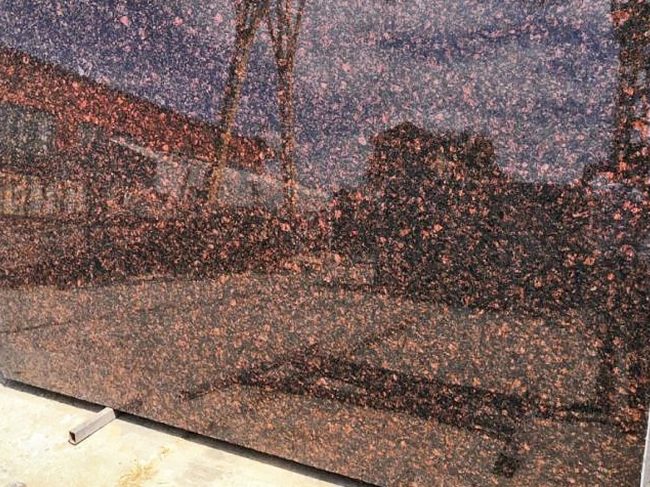


Stone columns, which are a decorative element associated with architecture and have a long history and a great artistic value, are utilised extensively in a wide variety of building types and interior design projects. They have the potential to not only improve the attractiveness of the area, but also to express the elegance and seriousness characteristic of the structure. The classification of stone columns can be done according to the type of stone, the characteristics of the appearance, and the size of the cross-section. There are many different varieties of stone columns. According to the characteristics of their appearance, they can be divided into Roman columns, plum blossom columns, twisted columns, and other types. On the other hand, according to the cross-sectional dimensions, they can be divided into equal diameter columns, conical columns, and drum columns. For instance, marble columns and granite columns are two examples of the types of columns that can be classified. Stone columns, in contrast to arc plates, are either solid or hollow integral cylinders or spliced cylinders. Arc plates, on the other hand, are mostly utilised for the purpose of wrapping decorative columns and are simply a portion of the outside surface of the cylinder overall. In addition, the size range of conventional stone columns is very broad, with a diameter that often falls between 100 and 2000 millimetres and a height that typically falls below 5000 millimetres. However, there are also exceptional columns that have a height that is greater than 5000 millimetres. There are typically three components that make up a standard stone column: the column base, the column body, and the column cap. For the purpose of recognising the artistic value of stone columns and making use of their ornamental functions, it is vital to have a solid understanding of the processing of stone columns.


1. Processing technology of marble stone columns
Marble columns are frequently used for interior design because of their fine texture and rich texture. Marble columns are favoured for their exquisite texture. Columns made of marble can be classified as either solid or hollow, and the processing technology used to create them has its own set of features. One of the first steps in the manufacturing process of solid marble columns is the cutting of stone blocks into square columns. For the purpose of ensuring that the dimensions of the blocks are in accordance with the specifications of the design, this process calls for accurate measurement and cutting technology.

Subsequently, the square columns are gradually transformed into round columns by utilising specialised machinery designed for stone preparation. At this stage, the processing requirements are particularly high, and it is necessary to perform several grinding and adjustments in order to guarantee that the column is round and that the surface is level. Finally, the cylinders that have been processed are put through a series of grinding and polishing procedures. These processes are designed to make the surfaces of the cylinders smooth and the texture clear, thereby displaying the natural beauty of marble. Hollow marble columns are more difficult to produce than solid marble stone columns, and there are often two different approaches to take. Using a rope saw to cut the stone into arc plates and then splicing these arc plates together to form a full cylinder is one method. In order to guarantee that the spaces between the arc plates are regular and that the splicing is secure, this procedure necessitates the utilisation of cutting and splicing equipment that is extremely exact. Additionally, the flat plates can be spliced and polished by hand as an additional option. Although it is a more conventional approach, this technology allows for greater control over the precision of the splicing process as well as the surface treatment effect. Grind and polishing are essential steps in the process of making a marble column, regardless of whether it is solid or hollow. Not only can this technique improve the look quality of the column, but it can also increase its surface wear resistance and stain resistance, as well as extend the column’s service life.
2. Processing technology of granite columns

As a result of its tough texture and very high resistance to wear, granite columns are frequently utilised in the construction of huge constructions and outdoor buildings. Granite columns, like marble columns, can be classified as either solid or hollow, and the technology used to produce them is something that sets them apart from other types of columns. Cutting granite rough blocks into square columns is the first step in the process of processing solid granite columns during the manufacturing process. Given the high level of hardness that granite possesses, this technique necessitates the utilisation of cutting tools and equipment that are more resistant to wear. The square column is then gradually transformed into a circular column through the utilisation of specialised stone processing equipment. Due to the fact that granite is difficult to process, it is essential that special attention be paid to the maintenance of equipment and the accuracy of operation when the granite is being processed. This will ensure that the processing is both effective and of high quality. When everything is said and done, the cylinder that has been processed is put through a series of grinding and polishing procedures in order to make its surface smooth and its texture clear. It is more difficult to process hollow granite cylinders than solid granite cylinders. In most cases, a rope saw is utilised in order to transform granite into arc plates. Following this, the arc plates are subsequently spliced together to form entire cylinders. During the process of splicing, special attention should be paid to the treatment of gaps due to the high hardness of granite. This is necessary in order to guarantee that the splicing is firm and that the appearance is attractive. Granite cylinders, in contrast to marble cylinders, cannot be spliced together with flat plates in a seamless manner like marble cylinders can. As a result, the handling of gaps after splicing is of increased significance. Caulking materials and equipment that are used by professionals are typically required in order to fill and polish the gaps in order to make them appear as though they are merged with the surface of the cylinder. Granite cylinders are processed until they reach the final stage, which consists of grinding and polishing. This phase has the potential to enhance the overall texture and glossiness of the cylinder, so making it more durable and aesthetically pleasing in locations that are exposed to the elements.
3. Application scenarios of stone columns


Stone columns are widely used in architecture and interior decoration, and their application scenarios cover multiple fields from classical architecture to modern interior design. In interior decoration, marble columns are often used in important spaces such as living rooms and foyers. They can enhance the artistic atmosphere of the space and create a luxurious and noble atmosphere. For example, in European-style living rooms, Roman columns or twisted columns are often used for decoration to increase the layering and solemnity of the space. These columns can not only serve as supporting structures, but also play a decorative role, making the entire space more atmospheric and elegant. In outdoor buildings, granite columns are widely used because of their hard texture and good weather resistance. They are often used for the decoration and support of important buildings such as palaces, churches, and bridges. For example, rough and tall granite columns are often used at the entrances of large buildings. These columns can not only reflect the grandeur and magnificence of the building, but also enhance the stability and durability of the building. In addition, granite columns are also often used for the railing decoration of bridges. The design of multi-prisms or carved columns can add a unique beauty to the bridge, making it a highlight in the urban landscape.
4. Maintenance and care of stone columns

Maintenance and care of stone columns are essential to extend their service life and maintain their beauty. Whether it is a marble column or a granite column, it needs to be cleaned and maintained regularly. For marble columns, due to their delicate texture, mild detergents and soft cloths should be used for cleaning, and acidic or alkaline detergents should be avoided to avoid damaging the surface of the stone. Regular polishing is also an important measure to maintain the gloss of marble columns. It is recommended to perform professional polishing once a year. For granite columns, due to their high hardness, neutral detergents and brushes can be used for cleaning, but be careful to avoid using tools that are too hard to scratch the surface. Granite columns have good weather resistance, but it is still necessary to regularly check whether there are cracks or damage on the surface, and repair them in time. In addition, whether it is a marble column or a granite column, it should be avoided from being exposed to a humid environment for a long time to prevent the stone from getting damp, moldy or other damage. In outdoor environments, you can consider using waterproof and anti-fouling protective agents to enhance the durability of the stone.
5. Future development trend of stone columns
With the continuous development of construction technology and materials science, the processing technology and application scope of stone columns are also expanding. The introduction of modern stone processing technology makes the processing of stone columns more precise and efficient. For example, the application of CNC processing equipment can achieve complex carving and modeling, providing more possibilities for the design of stone columns. At the same time, the emergence of new stone composite materials also provides new options for the production of stone columns. These composite materials not only have the beauty of natural stone, but also have better durability and processability. In terms of application, the design of stone columns pays more and more attention to the integration with modern architectural styles. In addition to traditional European style and classical style, stone columns are also increasingly used in modern minimalist style and industrial style buildings. Through clever design and matching, stone columns can add a unique texture and historical charm to modern space. In addition, with the enhancement of environmental awareness, the processing and application of stone columns also pay more and more attention to sustainability. For example, the use of environmentally friendly processing equipment and materials can reduce resource waste and environmental pollution in the process of stone processing. At the same time, the recycling of waste stone has also become an important development direction of the stone industry. In short, as a classic architectural decorative element, stone columns will continue to play an important role in architecture and interior design. Through continuous technological innovation and design exploration, stone columns will show more possibilities and charm, adding unique beauty and artistic value to our living space.