


Quick Summary
White marble can be an excellent material for shower wall projects in North America when buyers select it as a full wall system rather than as a decorative slab alone. The strongest results usually come from balancing background tone, vein scale, finish, panel size, and installation logic. A successful white marble shower wall should feel bright, calm, and premium without becoming visually cold, overly busy, or difficult to integrate with the rest of the bathroom palette.

Shower walls have become one of the most important visual surfaces in premium bathroom design across North America. They are no longer treated as purely functional wet-zone finishes. In many luxury residential, boutique hospitality, and high-end developer-led projects, the shower wall helps define the entire mood of the bathroom. This is one reason white marble remains so relevant. It reflects light well, communicates natural luxury, and can make a shower feel both larger and more refined.
However, a strong shower wall requires more than simply choosing a beautiful white slab. White marble is highly sensitive to lighting, panel scale, veining direction, and room context. A slab that feels clean and elegant in a yard may become too cold, too busy, or too fragmented once divided into several vertical panels. That is why a true white marble design guide for shower wall projects in North America should go beyond style preference and focus on full-wall reading, fabrication logic, and real design fit.
For buyers, designers, and developers, this means evaluating white marble as part of a complete bathroom composition. The wall has to work with the vanity, floor, niche detailing, fixture finish, shower glass, and lighting. It also has to make sense for the room size and the intended atmosphere. The best white marble shower wall is not simply the whitest marble available. It is the marble that supports the project in a balanced and convincing way once fully installed.
Why White Marble Works So Well for Shower Walls
White marble works especially well for shower walls because it helps create brightness without relying on artificial gloss or excessive decorative patterning. In many North American bathrooms, especially those with spa-inspired or hotel-influenced design direction, buyers want the shower to feel open, clean, and naturally premium. White marble can deliver that effect in a way that feels more authentic and more architectural than many other materials.
Another advantage is that white marble visually expands the shower area. Because the material reflects light and tends to soften boundaries, it can make smaller bathrooms feel more generous and larger bathrooms feel calmer and more composed. This is particularly valuable in projects where the shower is enclosed in glass and visible from other parts of the room. A well-selected white marble wall can become a quiet focal point rather than a harsh visual interruption.
White marble also adapts well to a wide range of bathroom styles. Some slabs work beautifully in contemporary settings with clean metals and minimal forms. Others suit warmer residential interiors with oak cabinetry, brass fittings, and softer lighting. The category is flexible, but the individual slab must still be selected carefully. Not every white marble is suitable for a shower wall simply because it is light in color.

What North American Buyers Usually Need from a White Marble Shower Wall
Most buyers in this market want a shower wall that feels premium, luminous, and timeless. They usually want enough natural movement to make the wall interesting, but not so much that it dominates the room or becomes visually tiring over time. In residential master bathrooms, calm luxury is often the priority. In powder rooms or feature shower spaces, a stronger visual statement may be acceptable. In hospitality settings, repeatability and broad design appeal may matter more than highly dramatic individual slabs.
That creates several consistent decision factors. One is background tone. Another is vein density and direction. Another is finish. Another is panel size and joint frequency. Another is how the marble behaves around niches, benches, corners, and fixture penetrations. Buyers also need to think about maintenance expectations and how the marble will look under the actual lighting conditions of the finished bathroom.
This is why good selection starts with full-wall thinking. Buyers should not ask only whether they like the slab. They should ask how the slab will read vertically, whether the pattern can remain elegant once broken into panels, and whether the wall will support the room’s design language. The best marble shower wall is one that makes the whole bathroom feel more complete.
How to Evaluate White Marble for Shower Wall Use
Background Tone and Whiteness
Not all white marble reads the same. Some slabs lean crisp and bright, others creamy, gray-white, or softly warm. In North American bathrooms, this distinction matters because light temperature, fixture finish, and surrounding materials can shift how the wall is perceived. Very cool white marble may work beautifully in sharper contemporary interiors, while softer and slightly warmer white marbles often feel more comfortable in layered residential spaces. The goal is not simply maximum whiteness. It is the right whiteness for the project.
Vein Movement and Pattern Scale
White marble can range from nearly quiet surfaces to highly expressive dramatic veining. For shower walls, pattern scale must be judged carefully. Broad, controlled, or softly directional movement often works best because it helps the wall feel continuous and architectural. Very busy veining can become restless when interrupted by niches, mixer valves, shower fittings, and corner transitions. Buyers should think about wall-scale clarity, not just slab-level excitement.
Finish and Light Response
Polished white marble can create a luminous and luxurious effect, especially in more formal bathrooms or boutique hospitality-inspired spaces. Honed finishes usually feel softer and more contemporary, which may better suit calm spa-like interiors. The best finish depends on the project’s mood, the amount of natural and artificial light, and how much reflection the buyer wants from the wall surface. Good review should always take actual bathroom lighting into account.
Panel Size and Layout Logic
Large panels usually create the strongest white marble shower wall because they reduce visual interruption and allow the marble to read as a true architectural surface. Smaller pieces can still work, but they move the look closer to tile logic rather than slab logic. When buyers want a premium wall, fewer joints generally mean a more refined result. This also places more importance on choosing a slab with good continuity and a layout that works around the shower geometry.
Coordination with the Full Bathroom Palette
A white marble shower wall does not exist on its own. It interacts with vanity stone, floor material, cabinetry, metals, ceilings, and lighting. A cooler white marble may pair best with chrome, polished nickel, black accents, and grayer palettes. A softer warmer white marble often works well with oak, beige flooring, brass, or warmer paint colors. The best wall is not the one that stands apart from the room, but the one that elevates the room as a whole.
Popular White Marble Profiles for Shower Wall Projects
| White Marble Profile | Best For | Advantages | Main Watchpoints |
|---|---|---|---|
| Soft White Marble | Master bathrooms, spa-like residential interiors | Calm, luminous, broadly versatile | Can feel too quiet if the room lacks contrast |
| Cool Crisp White Marble | Contemporary bathrooms and cleaner architectural spaces | Bright, fresh, visually sharp | May feel cold under the wrong lighting or palette |
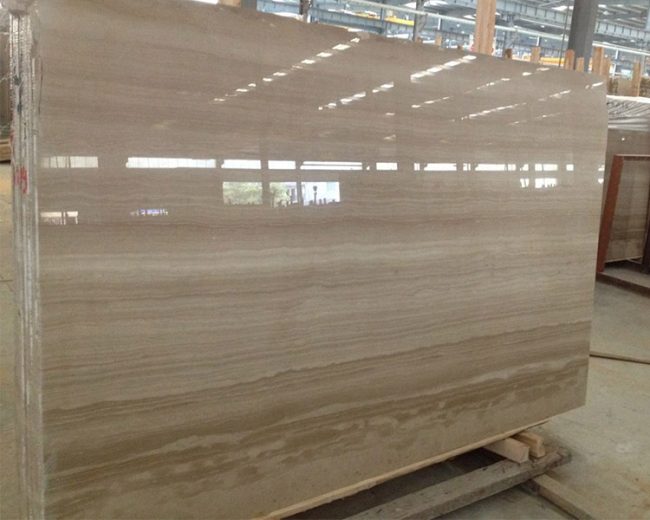
| White Marble with Gentle Linear Veining | Feature showers and large-format wall installations | Strong wall-scale rhythm, elegant directional movement | Panel layout must be controlled carefully |
| Cloudy White Marble | Relaxed luxury bathrooms and softer design schemes | Natural calm, less graphic intensity | Needs large panels to reveal full beauty |
| Statement White Marble | Powder rooms, boutique hospitality, focal-point shower spaces | High visual identity, strong premium signal | Can become visually busy in highly interrupted layouts |

Best Applications by Bathroom Type
In master bathrooms, white marble usually works best when the goal is calm luxury. Softer and more controlled slabs often create a stronger long-term result because they support relaxation and visual clarity. These spaces benefit from walls that feel luminous but not overstated. A large shower with fewer joints and better slab continuity often brings out the full elegance of white marble.
In powder rooms or more compact statement bathrooms, buyers can often choose a stronger marble because the wall plays a more theatrical role. Here, more expressive veining may be appropriate, especially if the rest of the room is relatively restrained. Even then, the pattern should still be reviewed for how it behaves around fixtures and corners.
In hospitality and developer-led projects, the best white marble is often the one that balances broad appeal with stable slab character. Repeatability matters, but so does perceived luxury. In those settings, white marble with elegant but disciplined movement often performs better than highly dramatic stone that may vary too much or create more complicated layout decisions.
Common Mistakes Buyers Make
The first mistake is assuming that the whitest marble is automatically the best. In reality, the best white marble depends on the room’s lighting, palette, and intended mood. The second mistake is ignoring panel layout. Even a beautiful slab can lose much of its elegance if the joints, niche conditions, and vein direction are not planned carefully.
Another common issue is selecting marble as if the shower wall were simply a decorative background. In premium bathrooms, the shower wall is part of the architecture. Its relation to the vanity, floor, and glass enclosure all matter. Buyers also sometimes underestimate maintenance planning. Marble can absolutely work beautifully in shower walls, but it should be selected and specified with realistic care expectations from the beginning.
A final mistake is choosing a slab that is too busy for the scale of the room. White marble is often most successful when it creates quiet luxury, not visual overload. The strongest walls feel composed, luminous, and intentional rather than merely dramatic.
What Buyers Should Review Before Approval
Before approving white marble for a shower wall project, buyers should review the full slab or a large layout representation. They should check the dominant white tone, the vein spacing, the likely panel breakdown, and how the marble will behave around niches, corners, and fittings. If the shower wall connects visually to a vanity top, threshold, or bench, those relationships should also be treated as part of the stone decision.
It is also wise to review the marble under lighting conditions similar to the final bathroom. White surfaces are especially sensitive to lighting shift, and the wrong assumption at approval stage can change the entire room mood. The more the buyer can review the slab as a full installed wall, the more reliable the final result usually becomes.
How Supplier Support Improves Shower Wall Decisions
For buyers sourcing from China, supplier support matters because choosing white marble for shower wall use is not simply about finding an attractive slab. It also involves confirming whether the slab works at wall scale, whether its movement can be controlled through panel layout, and whether the selected stone suits the intended bathroom palette and installation logic. A capable supplier helps make those decisions more structured before production begins.
In practical terms, supplier support may include comparing multiple white marble options, identifying which slabs are better suited to calmer spa-like walls versus more expressive feature showers, and helping buyers avoid selections that look strong in isolated images but become too fragmented or too cold once installed. For premium residential and hospitality projects, this review process can significantly improve the final outcome.
FAQ
1. Is white marble a good material for shower walls?
Yes. White marble can be an excellent shower wall material because it reflects light, creates a premium atmosphere, and makes bathrooms feel brighter and more spacious when chosen and installed carefully.
2. What type of white marble works best for shower walls in North America?
Soft white, lightly veined, and more controlled white marbles often work best because they balance brightness with calm and integrate well with common North American bathroom palettes.
3. Should white marble shower walls be polished or honed?
Both can work. Polished finishes often feel more luminous and formal, while honed finishes usually feel softer and more contemporary. The best choice depends on the bathroom’s design direction and lighting.
4. Is very dramatic white marble always better for a premium shower wall?
No. Many premium shower walls look stronger with more disciplined and balanced movement, especially when the wall includes niches, fittings, and panel joints.
5. What matters more for a shower wall: slab beauty or panel layout?
Both matter, but panel layout is often underestimated. Even an exceptional slab can lose much of its visual strength if the wall breakdown and directional flow are not controlled properly.
6. Can white marble work in both residential and hospitality bathrooms?
Yes. White marble can work beautifully in both settings when the slab character, wall scale, and practical project requirements are evaluated carefully together.

Final Note / Practical Takeaway
The best white marble shower wall in North America is the one that combines brightness, wall-scale control, and full-room coordination. Buyers who evaluate tone, movement, finish, and layout together usually achieve more elegant and more durable premium bathroom results.