


? What Is Xiaoshu and Why It Matters
“When summer quietly intensifies, it invites us to honor warmth with wisdom.”
Xiaoshu, meaning “Lesser Heat,” is the 11th solar term in the traditional Chinese calendar, falling around July 7 each year. Representing the onset of true summer—but not its full force—this period is marked by rising temperatures, humidity, and vivid outdoor energy. It’s a transition, not a climax—an echo of balance and moderation deeply embedded in Chinese cosmology.

? The Origins of Xiaoshu
The concept of Xiaoshu, along with the other 23 solar terms, originated over 2,500 years ago during China’s Zhou Dynasty, refined under emperors like Zhou Wen and later through scientific advancements in the Han Dynasty. Solar terms were essential for guiding agricultural practices: planting, harvesting, and predicting seasonal changes.
Specifically, Lesser Heat signifies the stage when the sun’s declination causes clear increases in warmth—not yet oppressive, but clearly shifting the atmosphere toward “Great Heat” (大暑). The ancients observed natural phenomena like cicada calls, rice plant development, and sun shadows to determine precise timing. It was both sophisticated astronomy and practical ecology—a system designed to harmonize human life with seasonal cycles.
? Xiaoshu in Traditional Life & Society
Throughout history, Xiaoshu shaped daily life across China:
- Farmers would plan irrigation and early rice transplantation to align with warmer soil.
- Merchants adapted by offering light, chilled foods at markets—trading dumplings for herbal soups.
- Medical practitioners in Traditional Chinese Medicine (TCM) advised cooling diets and avoiding mid-day labor to maintain “yin-yang” balance.
- In some regions, scholars and officials mandated a noon rest during hot days—a practice reflecting respect for natural rhythm.
This period, more than any other, underscores Xiaoshu’s role as a bridge between summer’s enthusiasm and self-care.
? A Deeper Look at Xiaoshu Customs
Over time, Xiaoshu unfolded into cultural practices that combined pragmatism with warmth, comfort, and social connection. Here are seven enriched traditions that breathe life into the solar term:
1. Refreshing Green Bean Soup (绿豆汤, Lǜdòu Tāng)
A staple during Lesser Heat, this simple soup—mung beans boiled with water and sugar—offers hydration, cooling effects, and digestive ease. In many households, it’s served daily during Xiaoshu to refresh the body and cool internal heat.
2. Lotus Root Soup & Stir‑Fries (莲藕, Lián’ǒu)
Beloved in TCM, lotus root is moisture-balancing and light yet sustaining. Recipes include clear soups with pork bones or stir-fries with peppers and sesame. Beyond nourishment, preparing this evokes family traditions and seasonal continuity.
3. Juicy Watermelon Stalls (西瓜, Xīguā)
With its relaxing sweetness and high water content, watermelon is synonymous with Xiaoshu. At street corners nationwide, slices are shared as both snack and cure—helping cool the blood and guard against summer fatigue.
4. Herbal Teas for Heat Relief (凉茶)
In southern regions, families brew teas from chrysanthemum, honeysuckle, bamboo leaves, mint, and licorice. Served warm or iced, these balancing infusions are both healthful and culturally steeped in wellness tradition.
5. Midday Rest Ritual (午休, Wǔxiū)
In many homes and workplaces, a midday break is sacred. This intentional pause—ranging from 30 minutes to an hour—helps reset physical and mental energy at the day’s thermal peak, painting Xiaoshu as a time of rejuvenation.
6. Making Xiaoshu Dumplings (小暑饺子)
Some regions craft dumplings stuffed with cooling ingredients such as mung sprouts, cucumbers, or bean sprouts. They’re delicious and symbolic of letting go of internal heat.
7. Shadow Observation (测日影)
Ancient astronomers used shadow length to calibrate solar terms. Though rare now, some schools host shadow-measuring educational events during Xiaoshu—uniting tradition, science, and cultural awareness.


? Modern Relevance for Living & Building
Historically rooted, Xiaoshu today offers meaningful insights for architects, designers, and homeowners:
1. Prioritize Climate-Smart Design
Solar orientation, shading devices, and natural ventilation reflect Xiaoshu’s balance by cooling spaces naturally rather than relying on energy-intensive solutions.
2. Select Seasonal-Friendly Materials
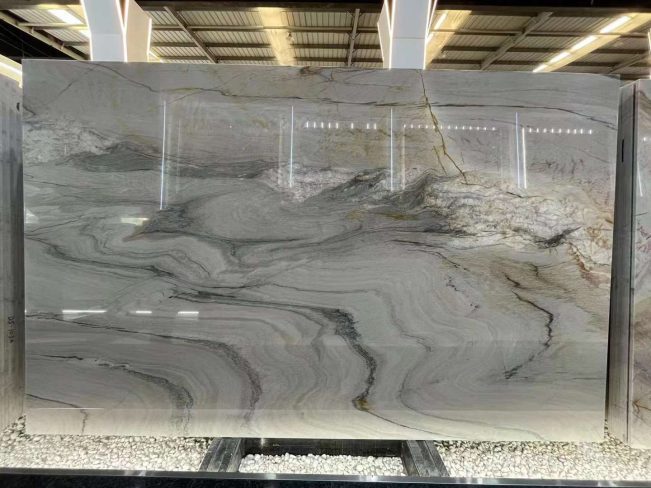
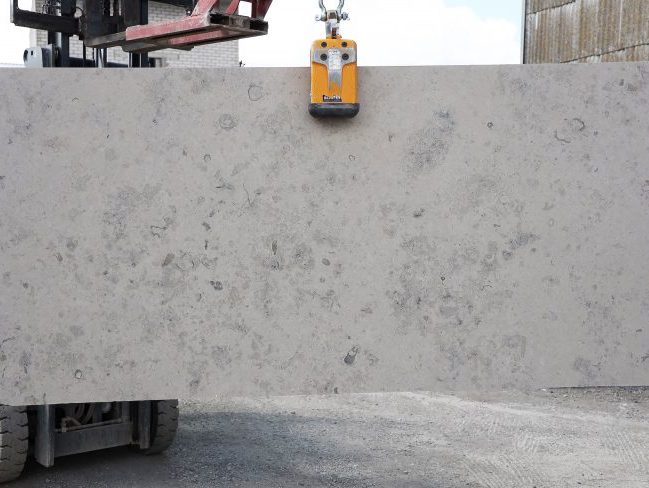
Materials like leathered granite or textured limestone stay cool to the touch and offer timeless appeal. At CENTURY STAR, we match stone types to environmental factors—ensuring both beauty and comfort.
3. Plan Logistics Thoughtfully
Fabrication, cutting, shipment, and installation schedules are best aligned outside peak heat periods. For stonework especially, avoiding excessive heat during drying or curing ensures structural integrity and finish quality.
4. Cultivate Wellness in Spaces
Residential and hospitality projects can integrate Xiaoshu customs as lifestyle anchors—water stations, shaded alcoves, indoor greenery—to reflect holistic living in design.

? How CENTURY STAR Honors Seasonal Wisdom
As a dedicated natural stone supplier, CENTURY STAR infuses cultural awareness into everything we do:
- Advising on stone choices that suit climate and comfort
- Coordinating season-aware project timelines to prevent heat damage
- Designing wellness-inspired stone installations—for spas, resorts, and gardens
- Sharing insights drawn from centuries of seasonal living and traditional practice
Our stone solutions reflect not only aesthetics, but rhythm, resilience, and responsibility.
✨ Final Reflections
“Xiaoshu reminds us: to welcome summer’s intensity, we don’t need to race—we need to attune.”
In stone as in life, the beauty lies not in extremes, but in knowing when to embrace warmth and when to find shelter. The choices we make now—material, method, and mindset—shape how spaces live in summer, in autumn, and for decades to come.
? Connect with CENTURY STAR
Ready to design resilient summer spaces with natural stone that balances form, function, and seasonal wisdom?
? Email: [email protected]
? WhatsApp: +86 13685922793
? www.hcenturystar.com
Let’s build with awareness, heritage, and enduring craftsmanship.