


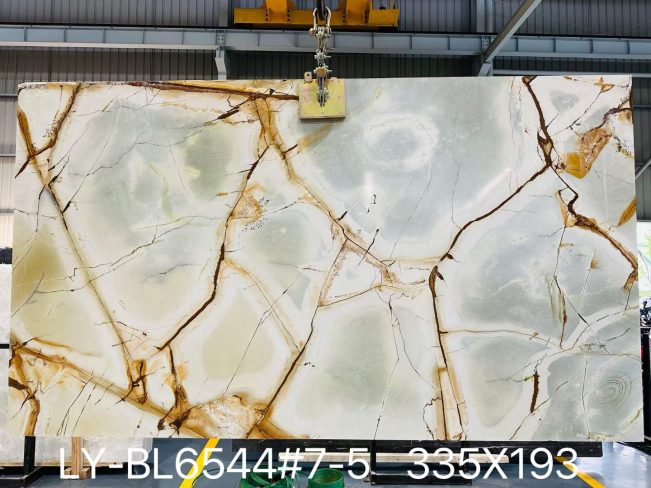
Lilac agate, a rare and visually distinctive variety of chalcedony quartz, is known for its soft lavender, purple-grey, and pastel lilac colouring. It is often associated with emotional balance, calmness, creativity, spiritual grounding, and modern gemstone aesthetics.
Mineralogical research on agate formations shows that lilac agate develops through silica-rich volcanic and sedimentary processes, during which trace minerals influence its delicate colouring and banded structures. Contemporary gemstone markets increasingly value lilac agate for jewellery design, crystal healing symbolism, decorative stone applications, and collectible mineral specimens.
Studies in gemology and decorative mineral sciences further indicate that the growing global interest in natural stones, wellness culture, artisanal jewellery and luxury gemstone customisation has significantly increased the commercial demand for unique agate varieties, such as lilac agate.
Why Lilac Agate Has Become One of the Most Sought-After Decorative Gemstones?
Over the past decade, the global gemstone industry has undergone a significant transformation, driven by evolving consumer preferences, the rise of digital commerce and social media, the growing emphasis on wellness and sustainable luxury, and the increasing demand for unique natural materials. Consumers are no longer purchasing gemstones solely for traditional jewellery purposes. Instead, modern buyers increasingly seek stones that combine visual uniqueness, symbolic meaning, an emotional connection, natural rarity, artisanal appeal, collectible value, interior decoration potential, and spiritual or metaphysical significance.
Within this rapidly evolving gemstone landscape, lilac agate has emerged as one of the most visually captivating and commercially desirable agate varieties in both the jewellery and decorative mineral markets.
Unlike traditional agates, which often feature earthy tones such as browns, reds, and oranges, or black bands, lilac agate stands out because of its unusually soft, pastel appearance. Its delicate lavender-grey hues strike an elegant balance between subtle sophistication and natural, organic beauty. This unique colour profile has made lilac agate especially popular among jewellery designers, crystal collectors, interior decorators, luxury accessory brands, gemstone enthusiasts, handcrafted jewellery artisans, holistic wellness communities, and social media lifestyle markets.
The growing popularity of lilac agate is closely connected to broader consumer trends favouring soft natural colour palettes, calming aesthetics, minimalist luxury, wellness-oriented design, handcrafted products, personalised accessories, and sustainable decorative materials.
As these trends continue to influence the global design industry, lilac agate is appearing increasingly frequently in the form of rings, necklaces, bracelets, earrings, gemstone carvings, meditation stones, luxury décor, crystal collections, and artisan home accessories.
At the same time, advances in gemstone sourcing, lapidary technology, precision polishing and global digital retail infrastructure have made rare decorative stones more accessible to international buyers than ever before. Modern gemstone suppliers can now distribute speciality agate materials globally via online jewellery platforms, wholesale mineral markets, luxury lifestyle retailers, social commerce systems and artisan marketplaces.
This increased accessibility has significantly raised awareness of lesser-known gemstone varieties, such as lilac agate.
Beyond its aesthetic appeal, lilac agate also holds significant symbolic and metaphysical importance in many crystal and wellness communities. It is often associated with emotional calmness, stress reduction, balance, spiritual awareness, feminine energy, creativity, and inner clarity.
Although such interpretations vary culturally and are not scientifically validated in medical contexts, symbolic gemstone meanings continue to influence modern consumer purchasing decisions worldwide.
Gemstone suppliers and decorative mineral manufacturers, such as CENTURY STAR, are increasingly participating in industries where precision stone processing, polished agate manufacturing, decorative crystal production, gemstone customisation and luxury mineral craftsmanship support the growing global demand for premium decorative stones and jewellery materials.
To understand the meaning of lilac agate, it is necessary to examine the gemstone from multiple perspectives, including its mineralogical formation, gemstone classification, symbolic interpretation, jewellery design, consumer psychology, decorative applications, luxury retail trends, and modern gemstone manufacturing. The growing commercial significance of lilac agate reflects not only its beauty but also the broader transformations occurring throughout the global gemstone and decorative materials industries.
What Is Lilac Agate?
Lilac agate is a type of agate, which is a type of quartz mineral belonging to the chalcedony family.
Agate is generally characterised by:
- Layered banding
- Microcrystalline quartz composition
- Translucent structures
- Natural mineral inclusions
- Diverse colour formations
Lilac agate specifically refers to agate displaying:
- Lavender tones
- Pale purple colouration
- Grey-violet hues
- Pastel lilac banding
- Soft, cloudy structures
These distinctive colours result from complex geological conditions involving:
- Silica deposition
- Trace mineral content
- Oxidation processes
- Volcanic activity
- Groundwater mineralisation
Unlike highly saturated purple gemstones such as amethyst, lilac agate often exhibits softer, muted tones that create a more understated appearance.
Depending on its geological origin and mineral composition, the stone may appear translucent, semi-transparent, cloudy, layered, or softly banded.
Lilac agate is commonly sourced from regions known for chalcedony and agate deposits, including:
Brazil, Madagascar, Mexico, Uruguay, and parts of Africa, as well as volcanic mineral regions worldwide.
Each geographic source may produce agate with slightly different colour saturation, banding structure, translucency, crystal inclusions, and hardness characteristics.
Modern gemstone markets increasingly classify lilac agate as both a decorative gemstone and a collectible mineral material because of its rarity compared with more common agate varieties.

Geological Formation of Lilac Agate
To fully understand lilac agate, it is important to examine its geological formation.
They typically develop within volcanic rocks or ancient lava cavities, where silica-rich groundwater slowly deposits microscopic quartz layers over long periods of time.
This process generally involves volcanic activity, cavity formation, mineral-rich water infiltration, silica precipitation, layered crystal growth, oxidation, and trace mineral interaction. Over thousands or millions of years, these silica deposits gradually create the layered internal structures associated with agate stones.
The unique lilac colouring may result from trace elements, including manganese, iron variations, mineral inclusions, and microscopic structural effects.
The exact mechanisms responsible for lilac agate colouration can vary significantly between deposits.
As natural geological conditions rarely produce stable pastel purple tones in chalcedony formations, true lilac agate is relatively uncommon compared to brown, moss, red, blue, and black agate. This rarity contributes to its increasing market value.
Symbolic Meaning and Spiritual Associations of Lilac Agate
Throughout history, agates have been associated with protection, grounding, balance, emotional stability, harmony, and softer emotional and spiritual symbolism. Lilac agate in particular has become linked with these qualities because of its calming colour.
Modern crystal communities often associate lilac agate with emotional healing, inner peace, intuition, creativity, feminine energy, spiritual reflection, and stress relief. The soft lilac tones visually reinforce these interpretations by evoking feelings of calmness, gentleness, tranquility, and emotional clarity.
Some practitioners believe that lilac agate may support mindfulness practices, meditation, emotional balance, and relaxation routines.
However, these metaphysical interpretations are cultural and symbolic rather than scientifically verified medical claims.
Despite this, the symbolic meanings of gemstones remain commercially influential in the wellness industries, luxury lifestyle markets, artisan jewellery sectors and spiritual retail categories, with consumer demand increasingly reflecting emotional storytelling alongside physical beauty.
Physical Properties of Lilac Agate
| Property | Description |
| Mineral Family | Chalcedony Quartz |
| Hardness | 6.5–7 Mohs |
| Transparency | Translucent to opaque |
| Common Colors | Lilac, lavender, gray-purple |
| Crystal Structure | Microcrystalline quartz |
| Luster | Waxy to vitreous |
| Typical Uses | Jewelry, décor, collectibles |
Lilac agate shares many physical properties with other agates while maintaining its unique visual identity through coloration and patterning.
Its relatively high hardness makes it suitable for:
- Rings
- Pendants
- Carvings
- Decorative accessories
- Polished gemstone products

Why Is Lilac Agate Popular in Jewelry Design?
Modern jewellery design increasingly emphasises individuality, soft aesthetics, wearable luxury, natural textures and subtle colour palettes. Lilac agate aligns strongly with these trends.
Unlike extremely bright gemstones that dominate visual compositions, lilac agate offers an understated elegance that complements minimalist fashion, contemporary jewellery, pastel colour schemes, luxury accessories, and handcrafted artisan designs.
Jewellery designers frequently use lilac agate in statement rings, layered necklaces, bohemian accessories, polished cabochons, bead jewellery, and custom gemstone pieces.
Its versatility allows it to be paired with silver, rose gold, white gold, platinum, and mixed-metal settings.
The gemstone also photographs exceptionally well for digital commerce and social media marketing because soft purple tones perform strongly in modern visual branding.
Decorative and Interior Design Applications
Beyond jewellery, lilac agate is becoming increasingly popular in the decorative design industry.
Luxury interior trends increasingly favour organic materials, natural stone textures, calming neutral palettes, artisanal décor and gemstone-inspired design.
Lilac agate products may include coasters, trays, sculptures, wall décor, polished slices, candle holders, and table accessories.
The gemstone’s soft colour palette integrates well into modern interiors, Scandinavian design, minimalist décor, wellness spaces and boutique hospitality environments.
Decorative stone suppliers increasingly target consumers seeking nature-inspired luxury aesthetics.
Lilac Agate Compared With Other Agate Types
| Agate Type | Main Colors | Visual Style | Market Position |
| Lilac Agate | Lavender, soft purple | Elegant, calming | Premium niche |
| Moss Agate | Green inclusions | Organic, earthy | Popular |
| Blue Lace Agate | Pale blue bands | Delicate, airy | High demand |
| Fire Agate | Iridescent reds | Dramatic | Collectible |
| Black Agate | Dark black | Bold, modern | Commercial |
Lilac agate remains distinctive because of its rare pastel purple appearance.
How to Identify Genuine Lilac Agate?
As demand increases, consumers need to understand gemstone authenticity.
Natural lilac agate often displays the following characteristics:
- Irregular banding
- Natural inclusions
- Subtle colour variation
- Translucent layering
Artificially dyed stones, on the other hand, may appear overly saturated, unnaturally uniform, or excessively bright.
Professional gemstone evaluation may involve the following:
- Microscopic analysis
- Hardness testing
- Spectroscopic testing
- Mineralogical assessment
Reputable gemstone suppliers generally provide the following:
- Sourcing transparency
- Material descriptions
- Quality grading
Companies such as CENTURY STAR increasingly operate in sectors where gemstone processing precision, decorative mineral quality, and polished stone manufacturing influence international gemstone markets.

Global Market Trends for Lilac Agate
Several major trends continue to drive demand for lilac agate.
- Growth of handmade jewellery
Consumers increasingly value handcrafted products, artisan craftsmanship, and personalised accessories.
- Social media influence
Platforms emphasising visual aesthetics strongly influence gemstone trends.
Soft pastel gemstones perform particularly well in lifestyle photography, influencer marketing, and luxury branding.
- Wellness and mindfulness culture
Calming gemstone aesthetics are increasingly popular in meditation spaces, wellness retail, and emotional lifestyle branding.
- Sustainable luxury trends
Consumers increasingly favour natural materials, long-lasting decorative products and ethical sourcing.
These broader trends continue to support premium agate markets globally.
Common Uses of Lilac Agate
Lilac agate now appears across numerous commercial categories, including:
- Fine jewelry
- Fashion accessories
- Crystal collections
- Gemstone décor
- Luxury gifts
- Meditation stones
- Artisan crafts
- Collectible minerals
Its versatility contributes significantly to expanding market demand.
FAQ About Lilac Agate
- What does lilac agate symbolize?
Lilac agate is commonly associated with calmness, emotional balance, creativity, and spiritual grounding.
- Is lilac agate natural?
Yes. Genuine lilac agate forms naturally through silica-rich geological processes, although some commercial stones may be enhanced or dyed.
- Is lilac agate rare?
Lilac agate is considered less common than many traditional agate varieties because stable natural pastel purple coloration occurs less frequently.
- What is lilac agate used for?
Lilac agate is used in jewelry, decorative objects, crystal collections, meditation accessories, and luxury interior décor.
- Can lilac agate be worn every day?
Yes. With a Mohs hardness of approximately 6.5–7, lilac agate is durable enough for regular jewelry use when properly cared for.
- How can you tell if lilac agate is real?
Natural lilac agate typically displays organic banding, subtle color variation, translucency, and natural mineral inclusions rather than perfectly uniform coloration.
Conclusion
Lilac agate is much more than just an attractive gemstone. Its growing popularity reflects major shifts occurring across the global jewellery, decorative stone, luxury lifestyle, and wellness industries. With its soft pastel colouring, natural geological beauty, symbolic meaning and versatile design applications, lilac agate is highly valued by jewellery designers, collectors, interior decorators and consumers seeking gemstones that balance elegance, individuality and emotional aesthetics. Unlike more traditional agate varieties, lilac agate offers a refined visual identity that closely aligns with modern trends favouring understated luxury, calming colour palettes and nature-inspired craftsmanship.
Meanwhile, broader developments in gemstone sourcing, digital retail, artisan jewellery production and decorative mineral manufacturing continue to expand global demand for speciality agate materials. Companies operating within the gemstone processing and decorative stone sectors, including CENTURY STAR, are increasingly contributing to industries where precision cutting, polishing technology, consistent mineral quality, and premium decorative applications are shaping the international gemstone market. As consumer interest in natural materials, sustainable luxury, personalised accessories and wellness-oriented design continues to grow, lilac agate is likely to remain one of the most commercially significant and aesthetically distinctive agate varieties in the evolving global gemstone industry.