



? What Is End of Heat (Chǔshǔ 处暑)?

End of Heat (Chǔshǔ) is the 14th solar term in the traditional Chinese lunar calendar, usually falling on August 23. The term “处 (chǔ)” means to stop or to reside, and “暑 (shǔ)” refers to heat. Together, End of Heat symbolizes the retreat of summer’s intense heat and the arrival of cooler, more balanced weather.
Although temperatures may still be high in southern regions, End of Heat marks a turning point in the climate. Nights grow cooler, the first signs of autumn appear, and farmers prepare for the harvest.
In Chinese philosophy, this solar term represents the yin–yang balance—the decline of fiery yang energy and the growth of yin, associated with calmness and renewal.
? Cultural Meaning of End of Heat
For centuries, End of Heat has been a time to observe nature’s transitions and prepare for seasonal shifts. It carries both practical agricultural meaning and symbolic cultural value:
- Agricultural significance: Farmers safeguard late-season crops from lingering heat and storms.
- Health and wellness: People adjust their diets from cooling summer foods to slightly warming, nourishing meals.
- Seasonal symbolism: End of Heat embodies change and resilience, reminding us that cycles of intensity always give way to moderation and balance.
? Popular Customs and Traditions of End of Heat
1. Offering Sacrifices to the King of Fire
In ancient times, people honored the Fire God during End of Heat to thank him for summer warmth and to pray for protection from wildfires and storms. This ritual symbolized a respectful farewell to summer’s heat.
2. Eating Duck Dishes
In Jiangsu and Zhejiang, people eat duck during the End of Heat. Duck meat is believed to cool and nourish the body, helping people recover from lingering summer heat while preparing for autumn. Popular dishes include roast duck, duck soup with lotus root, and braised duck.
3. Enjoying Seasonal Fruits
Fruits such as grapes, pears, pomegranates, and longan ripen at this time. Eating them represents abundance, good fortune, and health.
4. Flying Kites
In northern China, kite flying is a popular End of Heat custom. People believe kites carry away illness and bad luck, symbolizing a fresh start for autumn.
5. Honoring Heroes and Ancestors
End of Heat often overlaps with traditions of remembering ancestors and heroes, reflecting Chinese culture’s emphasis on memory, respect, and continuity.


?️ Seasonal Inspiration in Stone Design
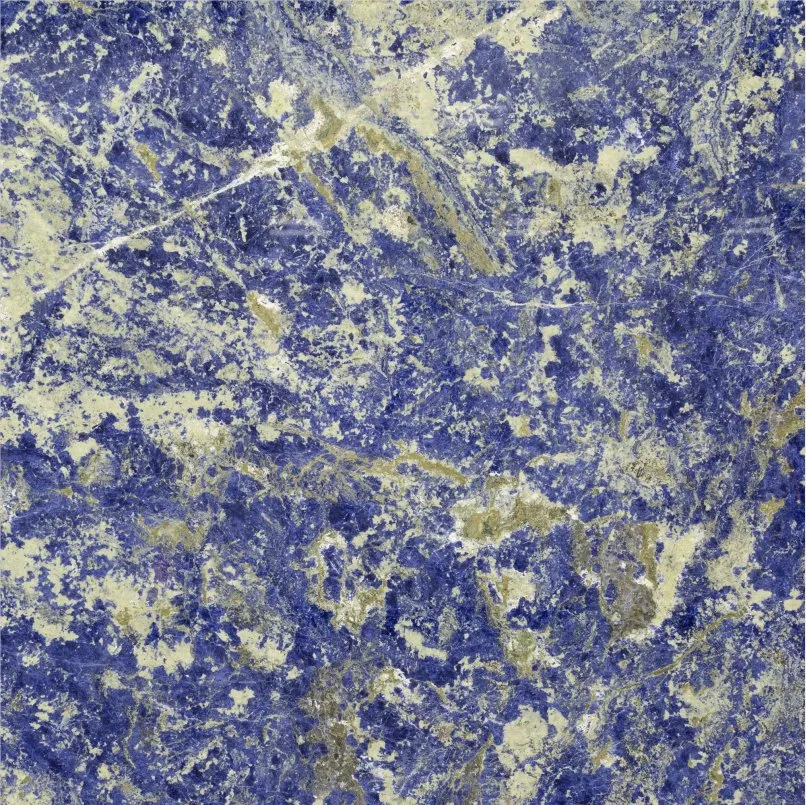
Although End of Heat is not directly tied to architecture, its themes of transition and balance resonate strongly in natural stone design. Just as End of Heat bridges summer and autumn, stone bridges permanence and change in architecture.
Golden and earthy-toned stones—like amber marbles and quartzites—mirror the soft sunlight and early autumn hues of the season. They bring warmth, stability, and harmony to interior and exterior spaces.
At CENTURY STAR, we believe in choosing materials that reflect both beauty and meaning. Just as End of Heat represents balance between heat and coolness, our curated natural stones combine aesthetic elegance with lasting durability.
? Why Share End of Heat with the World?
The 24 solar terms were recognized by UNESCO in 2016 as an Intangible Cultural Heritage of Humanity. Sharing End of Heat helps global audiences understand:
- The wisdom of ancient Chinese seasonal observation
- The connection between culture, food, and agriculture
- How traditions influence modern design, wellness, and lifestyle choices
By sharing these traditions, we build cultural bridges—just as natural stone builds lasting architectural connections across generations.
? Connect With CENTURY STAR
As we move from the heat of summer to the cool of autumn, End of Heat reminds us of resilience, balance, and renewal. At CENTURY STAR, we uphold these same values in our stone selections, delivering materials that harmonize timeless elegance with strength.
? Email: [email protected]
? WhatsApp: +86 13685922793
? Website: www.hcenturystar.com