


Taj Mahal Quartzite Countertops: A Perfect Blend of Luxury and Durability
The kitchen in upscale house design has developed from a simple cooking area to a focal point of family life and decor. Offering a special combination of color and texture, the Taj Mahal Brazilian Quartzite countertops are the height of luxury kitchen renovations. Modern kitchen design often includes these counters since they are not only aesthetically beautiful but also well-known for their remarkable endurance and low maintenance requirements.

1. Natural Charm, Luxury Merged:
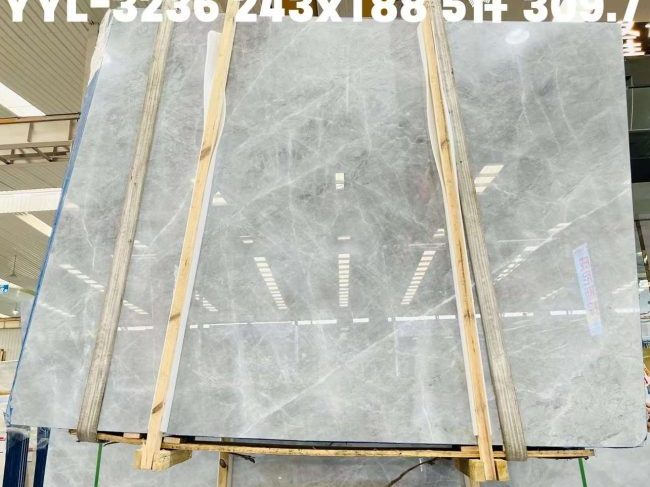
Brazilian in origin, Taj Mahal Quartzite is a natural gemstone distinguished by its unmatched color and texture.Taj Mahal Quartzite usually starts off creamy white or off-white and has faint veins in beige, grey, and gold. The soft, delicate veining that frequently covers the surface of Taj Mahal Quartzite gives the stone depth and personality. Every piece is different since the inclusion of minerals gives a hint of color to the basic palette of grays and whites. This organic charm perfectly combines luxury and robustness in the kitchen.
2. Harmony of Color and Pattern:
The pure white base of the Taj Mahal Quartzite, complemented by creamy or sandy stripes, presents a warm and inviting visual effect. Whether it’s a sunny kitchen or a tranquil bathroom, the soft hues of the Taj Mahal Quartzite can seamlessly integrate with various decorative styles, adding a distinctive flair.
3. Durability and Elegance, Architectural Partners:
More robust than granite, polished Taj Mahal Quartzite has a beautiful white foundation with faint golden veins and a texture as dramatic and exquisite as marble. It adds a hint of luxury to business areas as well as residential homes.

4. Diversified Applications, Boundless Creativity:
Taj Quartz stone is multipurpose; it works well for walls, floors, stairs, and more in addition to kitchen counters. With so many surface treatments—polished, satin, and leather—it provides designers with a plethora of artistic options.Taj quartz is a well-liked option for countertops in kitchens and bathrooms because it offers an opulent and robust surface that resists heat and moisture exposure.
- Taj Quartzite’s distinctive texture and natural beauty make it a great option for inside wall cladding, giving architectural interior walls, feature walls, and accent sections a touch of refinement.
- Taj Quartz is a resilient and resistant to abrasion flooring that works well in high-traffic areas such corridors, entrances, and lobbies. Its inherent color and pattern variances give any area visual appeal.
- Taj Quartz stone makes gorgeous interior staircases that offer a long-lasting and exquisite way to go vertically within a structure.
- Taj Quartz Stone Fireplace Surround: Your living area will seem opulent and sophisticated with Taj Quartz stone’s heat resistance as a fireplace surround.
5. Unique Contrast Between Taj Mahal and Granite:
Though often mentioned together, Taj Mahal Quartzite and granite come from different geological families. The metamorphic origin of Taj Mahal Quartzite gives it a unique charm, setting it apart from granite with its distinct appeal.The unique contrast between Taj Mahal Quartzite and granite lies in their appearance, composition, and characteristics:
Look: Taj Mahal Quartzite frequently has an elegant creamy white or off-white backdrop with delicate veins of beige, grey, and gold.Conversely, granite is available in a greater variety of hues and patterns, and its more textured and diverse look is produced by speckles, veins, and specks strewn throughout.
Natural Taj Mahal Quartzite is a solid, long-lasting stone that was created millions of years ago by strong heat and pressure on sandstone.Forming from the solidification of liquid magma beneath the Earth’s surface, granite is an igneous rock mostly made of quartz, feldspar and mica. Hardness and durability are well known about it.
Features: Taj Mahal Quartzite appears more muted and elegant than the bold and intricate patterns often found in granite.While both materials are fairly strong and suitable for a variety of applications, Taj Mahal Quartzite frequently outperforms most granite varieties in terms of heat, scratches, and stains.
Mahal Quartzite Countertop
In conclusion, Taj Mahal Quartzite and granite provide designers and homeowners a variety of possibilities to fit their aesthetic tastes and practical requirements because of their distinctive contrast in looks, compositions, and features.

6. Size and Customization, Meeting Needs:
Taj Mahal Quartzite slabs and countertops provided by HRST STONE come in a variety of standard sizes and also offer customization services to meet the unique needs of different clients.
7. Practical Application, Unique Style:
Taj Mahal Quartzite’s durability and beauty give many architectural projects a distinctive character, whether they are flooring and wall surfaces in commercial areas, bathroom vanities, or kitchen countertops in homes. Taj Mahal Brazilian Quartzite countertops have grown to be an essential component in contemporary architecture and interior design because of their robustness, attractiveness, and adaptability. Selecting Quartzite Countertops Like Taj Mahal HRST STONE brings an eternal elegance and luxury to your project. Act now to make your kitchen the highlight of your home and enjoy the perfect blend of cooking and artistry.
Frequently Asked Questions
1. What is the defining aesthetic of Taj Mahal Quartzite?
Taj Mahal Quartzite is renowned for its soft, creamy white background and subtle, elegant veining in shades of gold and warm grey. Named after the iconic monument for its regal and timeless beauty, this natural stone offers the sophisticated look of marble but with the superior strength and durability of quartzite.
2. Is Taj Mahal Quartzite more durable than marble for kitchen countertops?
Yes, significantly. While it shares the high-end appearance of premium marbles like Calacatta, Taj Mahal is a true quartzite, meaning it is much harder and more resistant to scratching, heat, and acid etching. This makes it an ideal “worry-free” luxury surface for high-traffic kitchens.
3. Can Taj Mahal Quartzite be used for waterfall islands and backsplashes?
Absolutely. Due to its consistent and flowing patterns, Taj Mahal is a premier choice for modern waterfall islands and full-height backsplashes. At Century Star, we specialize in book-matched fabrication to create a seamless, continuous flow of its elegant veining across your kitchen surfaces.
4. How should I maintain Taj Mahal Quartzite surfaces?
Maintaining Taj Mahal is simple. For daily cleaning, use a soft cloth and a pH-neutral stone cleaner. Because it is a natural stone, we recommend professional sealing during installation and a quick re-sealing every 1-2 years to ensure its dense surface remains impervious to moisture and stains.
5. Does Taj Mahal Quartzite vary significantly between slabs?
As a 100% natural product, every slab of Taj Mahal is unique. Some slabs may feature more pronounced gold veining, while others offer a more muted, monochromatic cream look. We recommend selecting your specific slabs from our inventory at Century Star to ensure the pattern perfectly aligns with your project’s design vision.