


What’s the difference between quartzite and granite?Our clients frequently ask us this question. especially when they want to choose the right stone for their own kitchen.The range of possibilities for materials used on kitchen countertops or other renovation projects might be daunting. Among the most often chosen are quartz, granite, and quartzite. Granite and quartzite are both natural stones. They have significant and important variations. Our HRST Stone will explore 5 key differences between these two granites and quartzite, so you might decide with this stone knowledge.

1 Quartzite and Granite: Different Formation Process
Кварцит
Quartzite is a sedimentary rock that forms from the sedimentation of quartz particles, feldspar, and other minerals. Usually, ecosystems like rivers, lakes, and oceans shape sandstone. Long-term sedimentation and compaction transform it finally into a solid rock layer.
The movement of the earth’s crust drives the sandstone layer deeper and deeper into the crust, where it finds a high-temperature and high-pressure environment. Under this process, the sandstone’s quartz particles start to recrystallize. Originally, free quartz particles melted and fused with each other gradually at high temperatures and high pressure. The quartz particles in the sandstone recrystallise at high temperatures and pressures. The process of recrystallization produces a solid structure, fewer gaps between the quartz particles, and increased density for the particles. Furthermore, it is considerably raised, and the internal structure of quartzite becomes more homogeneous with this recrystallisation process. Sandstone finally becomes quartzite over a protracted period of great temperature and pressure.
Usually, more than 90% of the quartz mineral composition in quartzite makes it quite strong and tough. Furthermore, changing in this process are the colour and texture of quartzite, which produces an original look. Quartzite layers may be pushed to the surface or near the surface as time passes and geological formations evolve.
Natural processes like weathering, erosion, and exfoliation expose quartzite in this process, turning it into a resource that humans can use. Among the several colours available in quartzite are green, grey, yellow, brown, orange-red, white, blue, purple, red, etc.


Гранит
Deep underground hot magma that rises to a specific area of the earth’s crust (typically below 3 km) and condenses, resulting in the formation of natural granite.
In this process, the volume shrinks, and cracks are generated in the granite body. After geological movements such as collision, deformation, and fracture of the earth, granite eventually emerges on the surface with the rise of mountains and hills.
As the granite body gets closer to the surface, groundwater action speeds up. This changes the feldspar minerals into clay minerals, especially along the edges and corners cut by primary joints. This creates spherical weathering and “stone egg” landforms.
Rock properties have a significant impact on the development of granite landforms. Its hard and dense characteristics often form steep and high mountains. At the same time, due to the rich joints, spherical weathering occurs, forming dense valleys and river valleys.
When a volcano erupts, the melt containing dust-like volcanic rocks solidifies on the surface, which promotes the formation of quartz, which may also be a way of forming granite. The material deep in the crust melts under high-temperature conditions to form melts, and these melts form granite during cooling and solidification.


2: Quartzite and Granite: Different Appearance and Texture
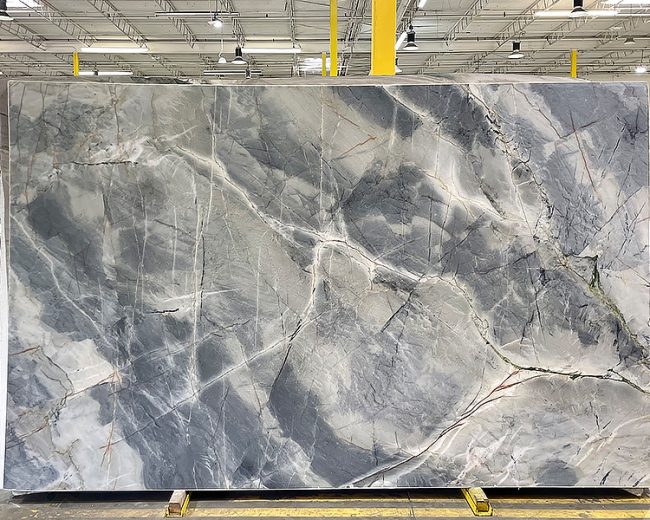
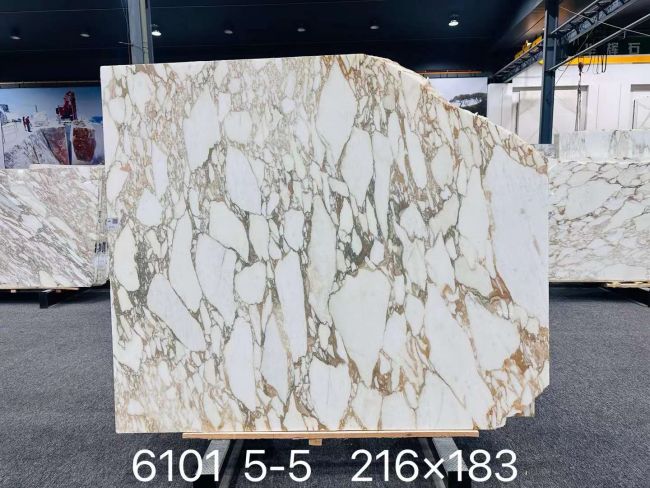
There is a big difference in colour between quartzite and granite.Renowned for its striking, marble-like look, quartzite comes in white to grey and spans red, green, black, pink, blue, and other colours. Even the same colour has different types, such as white quartzite like Bianco Superiore Quartzite, white pearl quartzite, Perla Venata Quartzite, Patagonia Quartzite, and quartzite cristallo, which has a special transparent characteristic that makes it especially interesting under light. Quartzite’s inherent veining patterns are typically exquisite and can provide any area with a sophisticated touch.


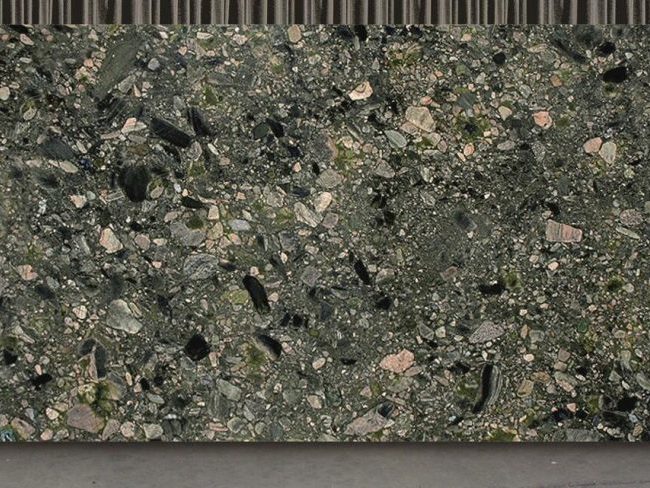
One of the biggest differences between quartzite and granite is that granite has a special black spot texture.Rich in colours and patterns, granite ranges from dark black to bright white and red .Even the same white granite colours have different . like Moon white granite, Salinas white granite, Viscon white granite, Delicatus white granite, Pitaya white granite, and Viscont white granite.The several minerals that make it up produce speckled, veined, or solid patterns that define its unusual look. Granite’s polished finish accentuates its inherent shine, which makes it a common option for both classic and contemporary design philosophies.
3: Quartzite and Granite: Different Durability and Maintenance
Quartzite is among the hardest naturally occurring stones, having a Mohs hardness score of 7. This hardness is perfect for high-traffic areas because it is resistant to abrasion and scratching. Moreover, its non-porous nature reduces liquid absorption, thereby avoiding stains and simplifying quartzite care.


Moulin Rouge Quartzite Tile for restroom sink
Granite also shows outstanding durability; its Mohs hardness range runs from 6 to 7. Though it is much less brittle than quartzite, it is nonetheless very scratchable and chip-resistant. Granite’s heat tolerance—which helps it sustain high temperatures without breaking—is another main advantage. Granite’s porous nature, however, lets it absorb liquids and stains; consequently, frequent sealing is required to maintain its sanitary attractiveness.
Granite and quartzite have a slight difference in hardness, but there is not much difference in maintenance. The maintenance methods for natural stone are the same.
4: Quartzite and Granite: Differently Suitable Applications
In daily life, the similarities between quartzite and granite are reflected in the kitchen, kitchen countertops, and bathroom vanities, and the differences are mainly on the wall.
Quartzite is used in home decoration in living room and kitchen due to its excellent elasticity and beautiful appearance, such as in the living room floor and wall cladding. In interior decoration design, there are bar countertops, tabletops, coffee tables, and sofa tables. Side tables. Stone crafts. Stone furniture. Stone base, except for kitchen countertops; other uses are the same as marble,Exterior and interior wall and floor applications, monuments, countertops, mosaic, fountains, pool and wall capping, stairs, and window sills can be covered with crystal-containing quartzite with LED light strips and can make backlit quartzite, which greatly enhances the pursuit of luxury by villa customers. Additionally, designers and architects favour quartzite for its natural beauty and vibrant colours when creating exquisite and timeless environments.


Кухонные столешницы, полы, наружная облицовка стен и памятники — лишь некоторые из применений гранита. В последние десятилетия гранит используется в качестве наружной отделки стен, ландшафтного камня, уличных тротуарных плит с огненно-обожжённой поверхностью, для создания водопадов и фонтанов, гранитных столов и скамеек. Также он применяется при строительстве заборов и перил в парках, садах и других открытых пространствах. Лестницы в общественных зонах. Резной гранит. Гранит, обработанный водяной струёй. Наружные памятники, надгробные плиты, скульптуры и другие каменные произведения искусства — от классических до современных — находят широкое применение. В большинстве случаев они используются именно на открытом воздухе.
5: Кварцит и гранит: разница в стоимости
Существуют различные ‘классы’ каждого мрамора, каждый из которых обладает немного отличающимися характеристиками. То же самое относится к кварциту и граниту — двум разным видам природного камня. Кварцит обычно дороже из-за сложности добычи и обработки. Одна и та же плита камня также может иметь разную цену в зависимости от класса. Если только качество не является обычным, цена стандартного кварцита обычно составляет от $50 до $100 за квадратный фут.


Диапазон цен на гранит довольно широк — от менее $10 за квадратный фут до более $200 за квадратный фут. Низкие цены за единицу обычно используются в инженерно-строительных проектах. Из-за необходимости контроля бюджета и стремления к стабильности камня обычно выбирают гранит. В целом гранит дешевле кварцита, однако высококлассный и высококачественный гранит всё же остаётся достаточно дорогим. Поэтому нельзя делать обобщения; поэтому в ссылке на расценки на кварцит и гранит мы должны подтвердить требуемую заказчиком поверхность плиты, её толщину, спецификации и метод обработки краёв, прежде чем составлять комплексное предложение. Мы несём ответственность за каждую указанную нами цену на камень, и все цены рассчитаны точно.
HRST Stone хочет рассказать больше о кварците и граните
Между кварцитом и гранитом каждый камень имеет особые применения и преимущества. Чрезвычайная твердость и непористая структура кварцита делают его идеальным для помещений с высокой эксплуатацией, где важны низкий уровень обслуживания и долговечность. Его привлекательный, напоминающий мрамор внешний вид добавляет изящества любой территории. Напротив, широкий спектр оттенков и узоров гранита в сочетании с его прочностью и термостойкостью делает его гибким и популярным материалом, который можно использовать для самых разных целей.
И кварцит, и гранит могут повысить функциональную и декоративную ценность вашего дома. Понимание их основных различий позволит вам принять обоснованное решение, исходя из ваших дизайнерских предпочтений, бюджета и требований. Независимо от того, выберете ли вы изысканную прочность кварцита или адаптируемую красоту гранита, любое из этих решений принесёт вашей территории особые преимущества.
Я надеюсь, что описанные HRST Stone 5 отличий между кварцитом и гранитом помогут вам, и в будущем или прямо сейчас вы сможете гибко выбрать подходящий камень для своего дома и подобрать соответствующий и экономичный индивидуальный вариант.

Часто задаваемые вопросы
1. В чём заключается фундаментальное геологическое различие между кварцитом и гранитом?
Хотя оба материала являются природными камнями, они образуются в результате разных процессов. Гранит — это магматическая горная порода, образующаяся при охлаждении расплавленной магмы глубоко в земле. Кварцит — метаморфическая горная порода, которая изначально была песчаником и претерпела изменения под воздействием сильного тепла и давления. Эта разница в происхождении придаёт каждому камню уникальный минеральный состав и неповторимый эстетический характер.
2. Как эти два камня сравниваются по твёрдости и долговечности?
Оба материала невероятно прочны, однако кварцит обычно более твёрдый. По шкале твёрдости минералов Мооса гранит обычно оценивается примерно на 6 или 7 баллов, тогда как кварцит часто оценивается на 7 или 8 баллов. Это делает кварцит немного устойчивее к царапинам, хотя оба материала считаются превосходным выбором для кухонных помещений с высокой проходимостью по сравнению с мрамором.
3. Какой камень предлагает большее разнообразие цветов и узоров?
Гранит известен своим “пятнистым” или “соляным и перечным” внешним видом, с широким спектром цветов, включая чёрный, серый и розовый. Кварцит же часто имитирует изящные, плавные прожилки мрамора, придавая поверхности более изысканный и художественный вид. Если вы хотите красоту мрамора, но нуждаетесь в прочности твёрдого камня, Звезда века часто рекомендуют кварцит за его живописную эстетику.
4. Существует ли значительная разница в обслуживании и герметизации?
Оба камня относительно неприхотливы в уходе, однако естественно обладают различной степенью пористости. Гранит обычно требует герметизации один раз в год или два, в зависимости от интенсивности использования. Поскольку кварцит часто более плотный, он может быть ещё более устойчив к влаге, однако некоторые его разновидности всё же могут потребовать периодической герметизации. Для обоих материалов крайне важно использовать очиститель для камня с нейтральным уровнем pH, чтобы сохранить их естественный блеск.
5. Какие отличия между кварцитом и гранитом с точки зрения стоимости и инвестиций?
В целом, кварцит дороже гранита. Это связано с его редкостью и тем, что его сложнее добывать и обрабатывать — для этого требуются специализированные алмазные инструменты. Хотя гранит предлагает отличное соотношение цены и долговечности, кварцит считается высококлассной роскошной инвестицией, которая придаёт недвижимости значительный уникальный характер и повышает её стоимость при перепродаже.