


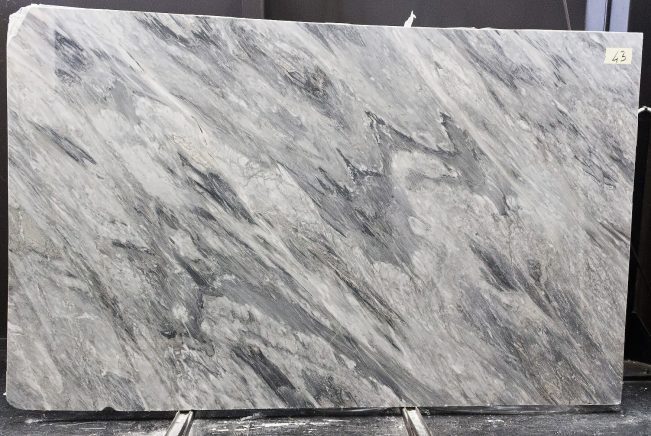

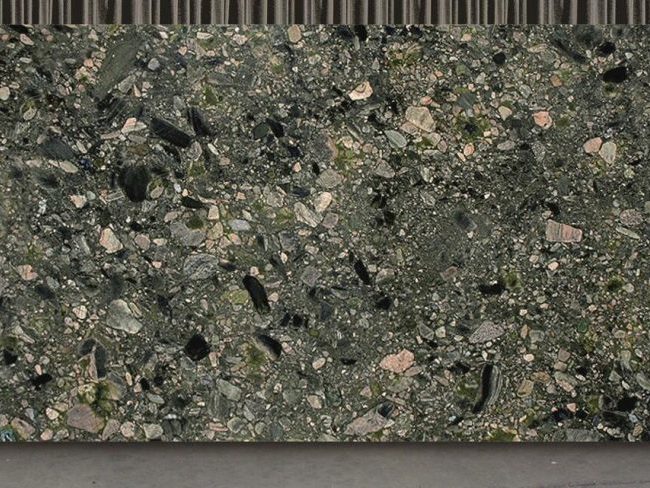
What’s the difference between quartzite and granite?Our clients frequently ask us this question. especially when they want to choose the right stone for their own kitchen.The range of possibilities for materials used on kitchen countertops or other renovation projects might be daunting. Among the most often chosen are quartz, granite, and quartzite. Granite and quartzite are both natural stones. They have significant and important variations. Our HRST Stone will explore 5 key differences between these two granites and quartzite, so you might decide with this stone knowledge.

1 Quartzite and Granite: Different Formation Process
クォーツァイト
Quartzite is a sedimentary rock that forms from the sedimentation of quartz particles, feldspar, and other minerals. Usually, ecosystems like rivers, lakes, and oceans shape sandstone. Long-term sedimentation and compaction transform it finally into a solid rock layer.
The movement of the earth’s crust drives the sandstone layer deeper and deeper into the crust, where it finds a high-temperature and high-pressure environment. Under this process, the sandstone’s quartz particles start to recrystallize. Originally, free quartz particles melted and fused with each other gradually at high temperatures and high pressure. The quartz particles in the sandstone recrystallise at high temperatures and pressures. The process of recrystallization produces a solid structure, fewer gaps between the quartz particles, and increased density for the particles. Furthermore, it is considerably raised, and the internal structure of quartzite becomes more homogeneous with this recrystallisation process. Sandstone finally becomes quartzite over a protracted period of great temperature and pressure.
Usually, more than 90% of the quartz mineral composition in quartzite makes it quite strong and tough. Furthermore, changing in this process are the colour and texture of quartzite, which produces an original look. Quartzite layers may be pushed to the surface or near the surface as time passes and geological formations evolve.
Natural processes like weathering, erosion, and exfoliation expose quartzite in this process, turning it into a resource that humans can use. Among the several colours available in quartzite are green, grey, yellow, brown, orange-red, white, blue, purple, red, etc.


御影石
Deep underground hot magma that rises to a specific area of the earth’s crust (typically below 3 km) and condenses, resulting in the formation of natural granite.
In this process, the volume shrinks, and cracks are generated in the granite body. After geological movements such as collision, deformation, and fracture of the earth, granite eventually emerges on the surface with the rise of mountains and hills.
As the granite body gets closer to the surface, groundwater action speeds up. This changes the feldspar minerals into clay minerals, especially along the edges and corners cut by primary joints. This creates spherical weathering and “stone egg” landforms.
Rock properties have a significant impact on the development of granite landforms. Its hard and dense characteristics often form steep and high mountains. At the same time, due to the rich joints, spherical weathering occurs, forming dense valleys and river valleys.
When a volcano erupts, the melt containing dust-like volcanic rocks solidifies on the surface, which promotes the formation of quartz, which may also be a way of forming granite. The material deep in the crust melts under high-temperature conditions to form melts, and these melts form granite during cooling and solidification.


2: Quartzite and Granite: Different Appearance and Texture
There is a big difference in colour between quartzite and granite.Renowned for its striking, marble-like look, quartzite comes in white to grey and spans red, green, black, pink, blue, and other colours. Even the same colour has different types, such as white quartzite like Bianco Superiore Quartzite, white pearl quartzite, Perla Venata Quartzite, Patagonia Quartzite, and quartzite cristallo, which has a special transparent characteristic that makes it especially interesting under light. Quartzite’s inherent veining patterns are typically exquisite and can provide any area with a sophisticated touch.


One of the biggest differences between quartzite and granite is that granite has a special black spot texture.Rich in colours and patterns, granite ranges from dark black to bright white and red .Even the same white granite colours have different . like Moon white granite, Salinas white granite, Viscon white granite, Delicatus white granite, Pitaya white granite, and Viscont white granite.The several minerals that make it up produce speckled, veined, or solid patterns that define its unusual look. Granite’s polished finish accentuates its inherent shine, which makes it a common option for both classic and contemporary design philosophies.
3: Quartzite and Granite: Different Durability and Maintenance
Quartzite is among the hardest naturally occurring stones, having a Mohs hardness score of 7. This hardness is perfect for high-traffic areas because it is resistant to abrasion and scratching. Moreover, its non-porous nature reduces liquid absorption, thereby avoiding stains and simplifying quartzite care.


Moulin Rouge Quartzite Tile for restroom sink
Granite also shows outstanding durability; its Mohs hardness range runs from 6 to 7. Though it is much less brittle than quartzite, it is nonetheless very scratchable and chip-resistant. Granite’s heat tolerance—which helps it sustain high temperatures without breaking—is another main advantage. Granite’s porous nature, however, lets it absorb liquids and stains; consequently, frequent sealing is required to maintain its sanitary attractiveness.
Granite and quartzite have a slight difference in hardness, but there is not much difference in maintenance. The maintenance methods for natural stone are the same.
4: Quartzite and Granite: Differently Suitable Applications
In daily life, the similarities between quartzite and granite are reflected in the kitchen, kitchen countertops, and bathroom vanities, and the differences are mainly on the wall.
Quartzite is used in home decoration in living room and kitchen due to its excellent elasticity and beautiful appearance, such as in the living room floor and wall cladding. In interior decoration design, there are bar countertops, tabletops, coffee tables, and sofa tables. Side tables. Stone crafts. Stone furniture. Stone base, except for kitchen countertops; other uses are the same as marble,Exterior and interior wall and floor applications, monuments, countertops, mosaic, fountains, pool and wall capping, stairs, and window sills can be covered with crystal-containing quartzite with LED light strips and can make backlit quartzite, which greatly enhances the pursuit of luxury by villa customers. Additionally, designers and architects favour quartzite for its natural beauty and vibrant colours when creating exquisite and timeless environments.


Kitchen countertops, floors, exterior wall cladding, and monuments are just a few uses of granite. In recent decades, granite has been used as exterior wall decoration, landscape stone, outdoor square fire-burned surface paving stone, waterfall and fountain, granite table, and bench. Fence and guardrail construction in parks, gardens, and other outdoor places. Public area steps. Carved granite. Water jet granite. Outdoor monuments, grovestones, sculptures, and other stone art works, from classic to modern, are used in a wide range of applications. In most cases, they are used outdoors.
5: Quartzite and Granite: Differently in cost
各大理石にはさまざまな「グレード」があり、それぞれ少し異なる特性を備えています。これは、天然石の2種類である珪岩と花崗岩にも同じことが言えます。珪岩は採掘や加工が難しいため、通常より高価です。同じ種類の石板でも、グレードが異なると価格も異なります。一般的な品質でない限り、通常の珪岩の価格は1平方フィートあたり$50から$100の間となります。.


花崗岩の価格帯は非常に広く、1平方フィートあたり$10未満から$200以上までさまざまです。低単価のものは一般的に土木工事プロジェクトで使用されます。予算管理や石の安定性を重視するため、花崗岩が選ばれることが多いです。一般的に花崗岩は珪岩より安価ですが、高級かつ高品質な花崗岩は依然としてやや高価です。そのため一概には言えませんので、珪岩と花崗岩の見積もりリンクでは、お客様が必要とする板材の表面仕上げ、厚さ、仕様、エッジ処理方法などを確認してから総合的な見積もりを作成します。私たちが提示する石材価格にはすべて責任を持ち、正確に計算された価格を提供いたします。.
HRST Stoneが珪岩と花崗岩についてさらに詳しくお伝えします
珪岩と花崗岩のそれぞれには、特別な用途と利点があります。珪岩の極端な硬さと非多孔質の性質は、メンテナンスが少なく耐久性が求められる高使用環境に最適です。その大理石のような美しい外観は、あらゆる空間に優雅さを添えます。一方、花崗岩は幅広い色調と模様を持つこと、そして耐久性と耐熱性を兼ね備えているため、さまざまな用途に応じて柔軟かつ人気のある素材となっています。.
珪岩と花崗岩の両方とも、ご自宅の機能的価値と装飾的価値を高めることができます。それらの主な違いを理解することで、デザインの好みや予算、ニーズに基づいた賢明な判断ができるようになります。絶妙な耐久性を持つ珪岩を選ぶか、あるいは柔軟性に富んだ美しさを持つ花崗岩を選ぶかにかかわらず、どちらを選んでもあなたの空間に特別なメリットをもたらすでしょう。.
HRST Stoneがこの記事で説明した珪岩と花崗岩の5つの違いが、あなたのお役に立てることを願っています。今後もしくは現在、ご自宅にぴったりの石材を選ぶ際には、柔軟に適切なカスタマイズ石材をコスト効率よく選ぶことができるでしょう。.

よくある質問
1. クォーツァイトと花崗岩の根本的な地質学的違いは何ですか?
どちらも天然石ですが、形成過程は異なります。. 御影石 は、地球の深部で溶けたマグマが冷えて固まった火成岩です。. クォーツァイト は、もともと砂岩だったものが激しい熱と圧力によって変成した変成岩です。こうした起源の違いにより、それぞれの石は独特の鉱物組成と個性的な美しさを備えています。.
2. この2つの石は、硬度と耐久性の面でどのように比較されますか?
どちらの素材も非常に耐久性がありますが、一般的にクォーツァイトの方が硬いです。鉱物硬度のモーススケールでは、花崗岩は通常6から7程度ですが、クォーツァイトは7から8程度であることが多いです。このため、クォーツァイトは少し傷つきにくくなりますが、どちらも大理石に比べて人通りの多いキッチン環境には優れた選択肢と言えます。.
3. どの石が色と模様のバリエーションが多いですか?
花崗岩は「斑点状」や「塩胡椒模様」の外観で知られ、黒や灰色、ピンクなど幅広い色調があります。一方、クォーツァイトはしばしば大理石のような優雅で流れるような模様を再現し、より洗練された芸術的な印象を与えます。大理石の美しさを求める一方で、硬い石の強度も必要とする場合、, センチュリー・スター クォーツァイトの絵画的な美学をおすすめすることが多いです。.
4. メンテナンスとシーリングに大きな違いはありますか?
どちらの石も比較的メンテナンスが簡単ですが、自然に多かれ少なかれ多孔質です。花崗岩は使用状況にもよりますが、通常1~2年に一度のシーリングが必要です。クォーツァイトは一般的に密度が高いので、水分に対する耐性がさらに高い場合もありますが、一部の種類ではやはり定期的なシーリングが必要になることがあります。いずれの場合も、pH中性の石材クリーナーを使用することが、その自然な輝きを維持する上で不可欠です。.
5. クォーツァイトと花崗岩は、コストと投資の面でどのように比較されますか?
一般的に、クォーツァイトは花崗岩よりも高価です。これはその希少性に加え、採掘や加工がより困難な硬い素材であるため、特殊なダイヤモンド工具を必要とするからです。花崗岩はコストと耐久性のバランスが素晴らしいのですが、クォーツァイトは高級感あふれる投資として、物件に際立った独自性と高い転売価値をもたらします。.