



White Agate Slab (White Agate Marble) Pretty Luxury Transmitting Stone
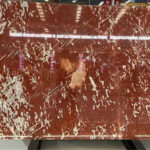
The use of white agate slabs, which are a manifestation of the artistic prowess of nature, has grown more popular in the fields of interior design and architecture. These captivating slabs, which have been formed by geological processes that have been going on for millions of years, provide more than simply visual appeal.

When it comes to the material world of stones, the natural stone that is often referred to as white agate is a masterpiece in its own right. It is the gradual deposition of silica that leads to the production of this crystalline masterpiece, which has an ethereal beauty that instantly captivates anybody who comes into touch with it on the first occasion. The formation of white agate slabs may be traced back to volcanic rocks, which include gaps that are filled with silica-rich fluids that gradually solidify over time. These spaces are eventually filled with agate slabs. A slow and intricate dance is performed by minerals, which ultimately culminates in the production of stunning patterns and colors that are unique to each slab.
White Agate Slab Made Processing
Unprocessed Materials
Base of Resin
A superior resin forms the base of synthetic white agate slabs. Resins provide the required flexibility, enabling complex patterns and shapes.

Particles of Agate
Finely crushed agate particles are used to give the appearance of genuine agate veining and patterns. These particles add to the finished product’s visual realism.
Coloring Substances
The resin mixture is colored using pigments and coloring agents to mimic the gradations of color seen in real white agate. In order to get a realistic look, this stage is essential.
Blending and Concoction
To create a homogenous mixture, the basic components are meticulously measured and combined. To get the desired effect, it is important to precisely measure the quantity of coloring agents and the ratio of agate particles to resin. The uniformity of color, pattern, and overall appearance is ensured by this painstaking procedure.
Slab Formation
The Casting Procedure
The combined ingredients are poured into molds in accordance with the required dimensions for thickness and size. The artificial white agate slab’s ultimate shape is mostly determined by the casting process.
Healing
The slabs go through a curing process after being poured. To enable the resin to solidify and harden, regulated humidity and temperature levels are required.
Removing and sanding
The slabs are meticulously trimmed to the necessary proportions after hardening. To keep veining and patterns intact, precise cutting is necessary. Polishing afterward brings out the translucency, simulating white agate’s innate brightness.
Inspection of Quality
Every fake white agate slab is put through a stringent quality control process. Visual examination guarantees that the hue, veining, and patterns are up to par. This process ensures that every slab lives up to the high standards set by both homeowners and designers.
Personalization and Concluding Details
Slabs of artificial white agate provide a degree of personalization that isn’t usually achievable with real stones. At this phase, further elements like surface treatments and edge profiles are added, enabling a customized look that accommodates a range of design tastes.
White Agate Slab (White Onyx) Popular Application
Kitchen Countertops: A Culinary Canvas White Agate Slabs Enhance Kitchens
In the kitchen, white agate slabs agate white stone redefine style. Transparent slabs with delicate tints create a luxurious environment. Kitchen islands and counters with white agate slabs transform the kitchen into a work of art.

Bathroom Vanity Tops: Simple Serenity
White Agate Enhances Bathroom Design
Bathrooms are peaceful and stylish with white agate countertop (white moss agate). As vanity tops, they’re serene and elegant. White agate creates a long-lasting, beautiful focal point in your bathroom, making it a spa refuge.
Artistic Wall Features: Captivating Wall Art with White Agate Slabs (white crystal agate).
White agate slabs may be turned into striking wall art. White agate’s patterns and veining make it a compelling backsplash or accent wall, turning everyday walls into works of beauty.
Elevate Furniture with Timeless White Agate Tabletops and Accents.
White agate slabs create beautiful furniture tabletops and accessories. The delicate translucency gives furniture depth, making it ageless and attractive in your interiors.
Warm and Elegant Fireplace Surrounds
White agate slabs enhance fireplaces
Fireplace surrounds made of white agate slabs will warm up your home. An eye-catching contrast of warmth and richness makes your fireplace a talking item.
Flooring Accents: Underfoot Elegance Experience White agate flooring adds elegance.
While not ideal for flooring, white agate slabs make beautiful accents. They provide elegance and individuality to your living areas whether inlaid into flooring or elaborate patterns.
White Agate can make a lasting impression on reception desks and commercial spaces.
Commercial reception desks and social rooms look sophisticated with white agate slabs. White agate’s subtlety leaves a lasting effect on customers and visitors.
Bar and Entertainment Spaces: Elevated Socializing- White Agate Slabs Set the Tone
Incorporate white agate slabs into bars and leisure spaces to elevate them. These slabs enhance social settings with glamor on bar counters and tabletops.