




Introduction
The namesake Travertino Romano has been associated in the fields of architecture and design for many years with classic beauty and creative appeal. This unique material has a long and illustrious history, several qualities that distinguish it from other stones, and its roots are in the very center of Italy. This page is about tramontino romano, which we thoroughly examine along with its several applications, variations, manufacturing techniques, and much more.
Travertino Romano, or just travertine as it is more often known, is thought to have particular significance in the domains of architecture and design. Among the various buildings it was used to ornament in ancient Rome, the Colosseum and the Roman Forum, are where its history begins. Part of the reason Travertino Romano is still so popular is that it can go with a variety of architectural types and has a timeless charm.
When one delves into the realm of HRST Travertino Romano, one discovers a wonderful variety of sorts, each of which possesses its own set of distinguishing characteristics. There are many different design preferences, and each version, from Classic to Silver, has a distinct allure that appeals to those interests. Architects and designers are able to make more educated decisions on their projects when they have a thorough understanding of the subtleties of these sorts.
Art Significant
Beyond its function as a simple construction material, travertin romano classico emerges as a canvas of artistic expression and a carrier of deep value in the fields of architecture and design. Not only does it contribute to the development of structures, but it also contributes to the production of art works that are able to withstand the test of time due to its history and distinctive traits. In the universe of Travertino Romano, there is a connection between art and importance, and let’s investigate this connection.
- The Unleash of Natural Elegance
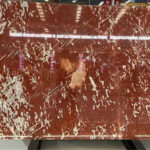
When it is in its natural state, Travertino Romano is a demonstration of the artistic ability of nature. Any room may be transformed into a piece of art because to the rich designs and distinctive veining that are included inside each slab. Designers often express their awe and admiration for the inherent grace that this stone has, which results in a visual extravaganza that will capture the viewer.
- Design Opportunities That Are So Versatile
The diverse medium of Travertino Romano provides an ideal setting for the art of design. Because of its elasticity, architects and designers are able to explore a wide range of options, including the creation of elaborate mosaics as well as the achievement of minimalist masterpieces. Because of its adaptability, Travertino Romano has the potential to become a medium in which creative expression is not restricted in any way.
- Reverberations of the Past in Contemporary Artwork
 The incorporation of historical echoes into a work of art lends it an additional degree of relevance. There is a historical story that is brought to current designs by the use of travertino Romano, which has its origins in ancient Rome. For the purpose of establishing a connection with the extensive architectural history of the past, the incorporation of this stone is not only an artistic decision; rather, it is an intentional deed.
In terms of both its physical toughness and its everlasting allure, travertino romano classico is a representation of perseverance. The stone has the ability to withstand the passage of time and may be seen adorning constructions that have lasted the test of time. Any endeavour that incorporates Travertino romano noce, which is a material that represents durability and sturdiness, is enhanced by its importance.Importance and Significance of Architecture and CultureThe usage of Travertino Romano goes beyond the realm of simple building; it represents the importance of both historical and architectural elements. From the majesty of the Colosseum to the fine intricacies seen in ancient temples, this stone has been an essential component in the formation of the architectural character of several ages. The fact that it is a living witness to the artistry of several civilizations is what gives it its value.In the world of design trends, which moves at a breakneck rate, Travertino Romano continues to be a shining example of classic elegance. The fact that it is able to persist beyond transient styles and provide a consistent source of aesthetic pleasure is the key to understanding its value. As a result of the use of Travertino Romano, spaces are transformed into timeless havens, places where the value of beauty is not constrained by the restrictions of time.
The Point Where Art and Significance Meet In This World
- Creating Architectural Works of Art via Crafting
When it comes to the creation of architectural marvels, when art and importance come together, amtico travertine romano becomes an indispensable instrument. With the careful selection of slabs, the accuracy in installation, and the intelligent integration into architectural ideas, buildings are transformed into more than just practical constructions; they become living art forms that have historical meaning.
- Bringing Contemporary Designs to a Higher Level with Historical Charm
When it comes to current design, which often places an emphasis on innovation, coem travertino stands out as a result of its ability to combine historical appeal with contemporary aesthetics in a seamless manner. The importance resides in the capacity to build places that pay tribute to the past while also embracing the present, which ultimately results in designs that are both sophisticated and culturally rich.
- The Significance of Aesthetics in Each and Every Detail
Regarding the universe of laminam travertino romano, each and every detail is important. The visual importance of each installation is enhanced by the veining, the colour changes, and the general texture of the work that is being considered. It is a material in which even the most minute details contribute to the formation of a visual language that conveys a great deal of information about taste, elegance, and a love for the natural beauty of the world.
Application
Indoor Applications
- Grand Showcase of Flooring
The opulent Travertino Romano carpet brings indoor spaces to life. The stone’s warm hues and distinctive patterns provide a captivating visual display on the floor, transforming it into a sophisticated artistic surface. Travertino romano rustico flooring enhances the aesthetic appeal of interior areas, whether it is the impressive entryway of a hotel or the cosy atmosphere of a home living room, with its timeless beauty.
- Luxurious Wall Covering
 Travertino Romano wall covering elevates walls into expressions of luxury and wealth. The inherent patterns and textures of the stone enhance upright surfaces, turning them into masterpieces. Travertino Romano enhances the aesthetic appeal of both modern residential accent walls and large-scale commercial projects, imbuing indoor spaces with an elevated and refined atmosphere.
- Opulent Countertops and Surfaces
Travertino Romano serves as a luxurious material for worktops and surfaces in kitchens and baths. The stone’s resilience makes it suitable for everyday use, yet its visual allure imparts a sense of luxury to these utilitarian areas. Travertino Romano’s adaptability enables it to be easily incorporated into other design styles, resulting in personalised surfaces that accurately represent individual preferences.
- Mosaic and inlay techniques used in art
Designers harness their creativity inside by using oikos travertino romano to create elaborate mosaics and inlays. These creative treatments provide a customised embellishment to floors, walls, and even ceilings. The stone serves as a conduit for conveying distinctive architectural ideas, transforming interior spaces into genuine masterpieces.
- Majestic Staircase
Staircases, whether they lead to mezzanines or link various floors, exude grandeur when constructed from travertino silver romano. The stone’s innate refinement imbues these practical components with a sense of opulence, resulting in a visual progression that elevates the overall beauty of interior spaces.
- Ornamental features and pillars in architecture
Travertino Romano enhances the interior areas with its architectural embellishments and columns. The inherent aesthetic appeal of the stone amplifies the magnificence of these architectural components, evoking a feeling of enduring elegance and robustness. Travertino Romano enhances interior architecture with a sense of grandeur, whether it is used in contemporary designs or to recall traditional aesthetics.
- Bespoke Furniture and Interior Design
Travertino Romano is very versatile and may be used to create bespoke furniture and decorative items. Utilising stone as a material, various custom items are crafted, such as coffee tables and sculptural accents, to enhance interior spaces with a sense of opulence and individuality.
- Luxurious Bathrooms
Travertino Romano enhances bathrooms, turning them into havens of serenity and sophistication. The stone’s innate warmth and aesthetic charm enhance the creation of tranquil spaces, exuding a sense of opulence and cosiness. It may be used on shower walls and vanity tops, adding to the overall luxurious and comfortable ambiance.
Outdoor Applications
- Landscaping Enhancements and Walkways
Travertino Romano is a very suitable material for enhancing outdoor places, such as landscaping accents and paths, due to its smooth integration. The stone’s durability in different weather situations guarantees that outdoor areas possess the same elegance as their inside counterparts, with features ranging from garden walks to intricate fountains.
- Outdoor paving stones and wooden decking for a patio area.
Travertino Romano may be used as pavers and decking material to transform patios and decks into opulent extensions of interior living spaces. The inherent aesthetic appeal of the stone enhances outdoor environments, resulting in areas that are both utilitarian and artistically fascinating.
- Sophistication by the Pool
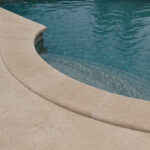
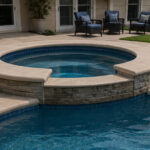
 Romano travertine enhances the elegance of poolside spaces. The stone’s capacity to remain cold underfoot, whether used as pool coping or surrounding decking, heightens the whole outdoor sitting experience by the pool.
- Structures enclosing gardens and building exteriors
The application of Travertino Romano brings outdoor walls and facades to life. The stone effortlessly integrates with the natural environment, facilitating a smooth connection between the architectural structure and the surrounding landscape.
- Exterior Staircases and Steps
Travertino Romano outdoor staircases serve a dual purpose by providing functionality and enhancing aesthetics. The stone’s durability against weather factors guarantees the long-term preservation of these outdoor items’ attractiveness.
- Aquatic installations and ornamental water structures
Travertino Romano’s inherent aesthetic appeal elevates the tranquilly of open-air areas with the integration of water elements and ornamental fountains. The stone’s capacity to endure the elements with elegance imparts a sense of everlasting beauty to these characteristics.
- Al fresco seating and dining spaces
Travertino Romano serves as a central element in outdoor sitting and dining spaces. The stone’s durability guarantees that benches and tabletops can endure outdoor conditions while adding to the overall sophistication of outdoor areas.