




In the realm of geological wonders, the Iran Red Travertine stands out as a remarkable narrative that is intricately intertwined with the illustrious fabric of the Earth’s lithic past. In the beginning, let us go on a journey that will take us through the history of this marvel, which is a testament to the geological ingenuity and cultural heritage of the region, as well as its beginnings and the historical significance of this beauty that is crimson in colour.
Origin
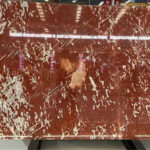
The geological origins of Iran Red Travertine are shown to be an excellent illustration of the geological artistry that is involved in its formation. The unique red tones of this one-of-a-kind variant of travertine are a result of the incorporation of iron compounds throughout the process of its formation. The mineralogical alchemy that occurred throughout the sedimentary processes resulted in the creation of this one-of-a-kind variation of travertine. The geological origin of the travertine is concealed deep within the stratigraphic layers,  where it subtly recounts the geological epochs that have shaped its vibrant personality. Certain locations inside Iran are the source of the travertine that is quarried.Iranians are the countries of origin. There are quarries that act as geological repositories, and these quarries are the source of red travertine, which has its geological roots firmly planted in the middle of Iran. Slabs of mineralogical complexity are revealed at these extraction sites, which are distributed throughout the nation. Each of these slabs holds the imprint of the altering powers that the Earth has. The intricate ballet of geological forces that takes place under Iran’s crust is responsible for bestowing the dazzling beauty of travertine onto it. As a result of this dance, every single block of travertine is transformed into a geological artefact that has its very own fascinating story to tell.
History
The historical significance of Iran is a significant indicator of the cultural and historical resonance that the nation has. It is stated that travertine red reverberates through the corridors of time, resonating with the creative and architectural endeavours of civilizations that have existed in the past. This crimson-colored travertine was employed by the Persians, who are well-known for their intricate cultural traditions, in the building of beautiful temples, palaces, and monuments. Evidence of the mineral’s importance in the architectural history of Persia can be found in the fact that it was found in ancient constructions. In this context, the mineral served a symbolic role not only in terms of artistic refinement but also in terms of cultural grandeur.Iran Red Travertine is experiencing a rebirth in architectural appreciation in the present age, which is adding to the wonders of architecture thanks to its use in the construction of buildings. Travertine is used in current architecture because architects and designers are fascinated by the warm tones and distinctive patterns that it has. This is the reason why travertine is used in contemporary constructions. When used in architectural compositions, Iran Red Travertine emerges as a distinguishing characteristic, helping to bridge the gap between historical resonance and contemporary design. It may be used in the construction of facades that are in tune with the natural surroundings as well as interiors that are luxurious.
Advantage
Red Travertine is a rare geological treasure among natural stones. This material is widely used in building and design because to its many advantages. This essay will explore the unique benefits that make red travertine a popular choice for aesthetic appeal and durability.
Rich Aesthetic Appeal: Red travertine stands out from other concrete due to its warm, reddish tones and unique natural patterns. The stone’s durability and beauty give any space a sense of grandeur. For geological beauty lovers, it is a great choice.
Natural diversity: Red travertine’s natural variability makes its hues and patterns unique. Diversity red travertine marble allows for unique designs, so no two installations are same. Thus, it becomes a canvas for geological art, creating visually appealing landscapes.
Versatile Apps Red travertine works well for wall cladding, countertops, and flooring. Its versatility makes red travertine tile a popular choice among architects and designers who want to create a cohesive and stunning interior or exterior.
 Geologically produced red travertine is robust and resists wear, scratches, and fading. Additionally, it lasts long. It is ideal for high-traffic, weather-exposed areas since its endurance ensures that installations will remain attractive over time.
Superior thermal conductivity gives red travertine its temperature-regulating properties. This makes it a great flooring solution for spaces with a variety of temperatures, creating a comfortable and ambient feel.
Red Travertine’s low porosity and stain resistance make it simple to maintain. Regular cleaning with pH-balanced mild cleaners may keep the stone looking immaculate. Its ease of maintenance makes it a practical and user-friendly option.
Radiant Heating system compatibility Stone is useful for radiant heating systems due to its thermal properties. Red travertine transfers and retains heat, making living spaces more comfortable in winter.
Natural Sustainability: Red Travertine uses natural quarries, which supports sustainability issues. Red travertine stones appeal as a conscientious and environmentally friendly choice is due to its ethical extraction practices.
Cultural and historical significance Besides its geological properties, red travertine has cultural and historical value. Persian red travertine in historical structures and constructions is important because it gives places a sense of antiquity and everlasting beauty.
Application
When it comes to applications that take place outdoors, red travertine is an excellent canvas for expression because of its alluring appearance and its robust properties. The geological attractiveness of this one-of-a-kind stone, which blends in well with the natural environments in which it is found, lends an air of timeless elegance to outdoor spaces, elevating them to a higher level. Red travertine may be used in a broad range of applications, each of which is compelling and varied in the context of the natural environment.
The capacity of Red Travertine to transform patios into genuine outdoor sanctuaries is one of the most remarkable characteristics of this material. The Patio is converted into an alluring spot for leisure and pleasure as a result of the rich hues and natural patterns that it has, which together have the effect of creating an attractive ambiance.
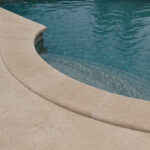
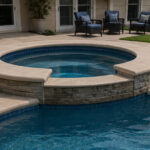
Extraordinary Luxuriousness for Use in Poolside Applications As a result of the stone’s resistance to both water and heat, it is a great choice for applications that come in contact with pools. Not only does the use of red travertine add to the visual attractiveness of the pool’s surroundings, but it also provides a surface that is not just pleasant but also cool to walk on.
Garden Path Grandeur
The use of red travertine in the building of garden paths lends an impression of sophistication to the overall design of the garden. Not only does the natural variation of the stone provide the paths a greater sense of individuality, but it also complements the abundant greenery that can be seen in the garden.
 The Elegance of the Courtyard The use of red travertine in courtyards enables them to exude an aura of majesty, so converting them into magnificent places for outdoor enjoyment. Because of the durability of this material, courtyards will continue to have a pleasing look even if the weather changes. This is a promise that cannot be broken.
Stone is an excellent material for driveways because of its durability and resilience to the wear and tear that is caused by automobiles. The sixth difference that sets driveways apart from other types of materials is that they are made of asphalt. The addition of red travertine, which lends an air of sophistication to the driveway, makes it look more beautiful and gives it a more striking aspect.
Kitchen
The Elegance of Outdoor Kitchens as a Kitchen Alternative One of the materials that is gaining popularity for use in outdoor kitchens is red travertine. This is especially true among those who like eating in an outside setting. The fact that it is resistant to heat and stains ensures that it is both stylish and practical at the same time.
The use of red travertine to adorn terraces results in an ambiance that is both peaceful and visually stunning. This is the seventh and last point on the list. The use of this material, whether it be for flooring or accent walls, contributes to the development of an outdoor space that is conducive to the promotion of tranquilly.
A significant contribution to the overall improvement of the splendour of the location is made by the use of red travertine into landscaping aspects. Whether it is used as stepping stones, retaining walls, or decorative elements, the stone is an important component that contributes to the overall look of the outdoor area.
Red travertine, when fashioned into sitting pieces or outdoor furniture, provides a touch of geological richness to locations that are allocated for gathering. This is especially true in the case of seats and gathering places. The stone’s durability ensures that it will continue to function well in outdoor settings for an extended period of time.