




Limestone Slabs Fontenay Clair Limestone Slab For Exterior Wall Cladding And Cultural Space
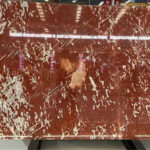
Fontenay Clair Limestone is the amazing natural stone produced in France by the country’s natural stone sector. Its beauty seems to last for an endless number of years and it is known for being both elegant and adaptable. The understated elegance and long-lasting qualities of this specific variety of limestone have delighted builders, designers, and homeowners equally. This particular kind of limestone is readily recognizable because of its subtle beige tones and veining that reminds me of wood. Fontenay Clair Limestone is the outcome of a natural process spanning millions of years whereby sediments from the sea accumulate. This technique forms limestone fireplace wall and is thereby in charge of its production. Following this process results in a stone with a fine grain that is dense. Its veining and color, among other traits, set it apart from other varieties of limestone and define it from other rocks. Fontenay Clair Limestone stands out among other types of limestone in one of its most unusual combinations of color, texture, and pattern. Its unique quality sets it apart from other types of limestone in real sense. Its delicate elegance, which is generally defined by soft, creamy tones with subdued variations, raises the look of any room it accents to a higher degree. This is so because of its exquisite grace. Regarding a broad range of design uses, the addition of the veining like that of wood into the material provides an organic element and can be really beneficial.

For most of the time, the first impression a church generates on people visiting or attending it is its outside exterior. Apart from a practical choice, Fontenay Clair Limestone’s utilization in these facades was done for aesthetic ones as well. The grandeur and seriousness of the exteriors of the cathedrals were enhanced by the beauty of the limestone, with its warm and inviting colors and excellent texture. These facades were designed to inspire awe and respect so as to communicate the spiritual value of the buildings. Most people agree that one of the most remarkable instances of Fontenay Clair Limestone used in building a church is the Notre-Dame de Paris. Though other materials were also utilized in the building of the cathedral, this limestone is particularly prominent in several places. Without the fine texture of the limestone, the intricate elements shown in the gothic construction of the cathedral would not have been achievable. This covers the beautiful façade as well as the complex stone carves. It is a credit to the excellence of the materials used, particularly Fontenay Clair Limestone, which Notre Dame has kept throughout the years in structural integrity and historic beauty.

Fontenay Clair Limestone is not only a reflection of cultural past but also a question of personal inclination in terms of architecture when it comes to building churches. The sites where this french limestone floor is mined and used have historical significance; they pay homage to the workmanship and ambition of the builders who aimed to build buildings that would inspire and last for many decades to come. The presence of limestone tile floors in these structures tells a tale of religion, craftsmanship, and a great respect of the natural world. Fontenay Clair Limestone is still a highly valuable resource in the context of historical preservation as well as building new churches nowadays. Modern builders and architects understand its remarkable mix of beauty and endurance, and they think it is equally important now as it was hundreds of years before. Using this material in modern church designs usually seeks to integrate the traditional with the modern, therefore creating both classic and forward-looking environments.
Fontenay Clair Limestone Advantage In Wall Cladding And Cultural Space
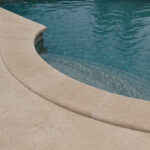
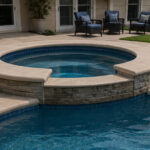
Fontenay Clair limestone flooring tiles are now the preferred material for outside wall projects because of its exceptional resistance to weathering and strength. This is so because it is a material that designers and architects have come to choose most of all. It not only can withstand strong weather, but it also has the power to keep its integrity and beauty over this period of years. One instance of interior limestone flooring would be the French Louvre Museum, located in that nation. Fontenay Clair Limestone’s use on the outside walls of this world-class art palace not only adds to the building’s grandeur and solemnity but also ensures that its traditional beauty will be preserved even after centuries of environmental exposure including wind and rain. This particular kind of limestone is a fantastic choice for utilization in surroundings exposed to outside factors since it is not influenced by frost. Whether it’s a home patio, pool deck, public plaza and monument or any other kind of space, its one-of- a-kind texture and color could help to create a classy and classic environment. This is so because it is able to convey this mood.

Applying cultural scenes on Fontenay Clair limestone wall capping reveals even more the natural beauty of the stone as well as its feeling of history. Entering an art museum adorned with this limestone will enthrall you with the soft texture and warm tones on the walls. These components together will enthrall you. They not only offer a great backdrop for the artwork but also give the impression of representing an old narrative. Fontenay Clair Limestone can cohabit peacefully with a great variety of artistic styles because of its color consistency and design flexibility. This is valid whether one considers the delicate lines of antique sculptures or the abstract canvases of modern art. This is the reason the works of art can be more brilliantly evident against the background.

Furthermore, the several surface treatments Fontenay Clair white limestone tile offers provide designers access to a great spectrum of creative space. Polishing gives the stone a shiny, modern look that appeals to current buildings interested in fashion and glossy effects since it enhances its ideal qualities. Conversely, the application of frosted or brushed treatments gives the stone a more rustic and natural look, which would be ideal for businesses wishing to create a cozy environment. Apart from the fact that these different surface treatments are feasible to satisfy some design criteria, they also allow optimization in accordance with a broad spectrum of environmental conditions. Examples of surfaces that might offer better grip, lower the chance of slips brought on by wind-driven rain, and ensure safety when being used are surfaces that are frosted or brushed. In settings prone to wind, these surfaces are quite useful.