



Blue Roma Quartzite
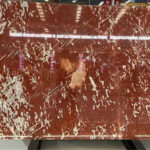
Blue Roma Quartzite is a natural stone that stands out for its beautiful veining patterns and captivating blue tones. The main reason this material is so widely used is its ability to enhance a wide spectrum of indoor and outdoor design applications while offering a mix of beauty and longevity. We explore the features of Blue Roma Quartzite in this comprehensive tutorial, including its uses, care tips, and other associated subjects.
Blue Roma Quartzite contains a large spectrum of blue tones ranging from tranquil sky blues to deep navy blues. Its versatility makes it a great choice for design projects—especially those requiring an aesthetically unique look. Apart from this, the stone’s veining patterns help to draw it by giving the several areas depth and personality.
Applications in Interior Design
Blue roma quartzite worktops are a strong statement that can be produced in bathrooms and kitchens, therefore accentuating areas with elegance and sophistication.
Roma blue quartzite flooring enhances the visual attractiveness of living spaces when used as flooring material. It is fit for both home and business environments since it offers both durability and elegance.
Using Roma blue quartzite in wall cladding projects interesting accent walls and fireplace surrounds, therefore enhancing the whole appearance of interior spaces.
Among the goods we produce are also slabs of blue quartzite stone, tiles, staircase tiles, fireplaces, columns, marble dining tables, marble coffee tables, and other items.
Comparison with Other Natural Stones
- Quartzite vs. Marble: Compared to marble, Blue Roma Quartzite offers similar elegance and beauty coupled with superior durability and resistance to etching and staining.
- Quartzite vs. Granite: While both quartzite and granite boast durability, Blue Quartzite distinguishes itself with unique color variations and veining patterns, infusing spaces with a touch of luxury.
Design Tips and Inspirations
Combining Roma Blue quartzite with neutral tones and metallic components could be a source of design inspiration to help you to establish a modern and elegant ambiance. Look at several lighting possibilities to accentuate the stone’s natural beauty and depth.
Environmental Impact and Sustainability
Roma blue quartzite stands as an environmentally sustainable choice, requiring minimal processing and offering long-term durability. Opting for locally sourced materials further reduces environmental impact.
Where to Source Roma Blue Quartzite
Deep blue quartzite is available through various suppliers, including stone yards, home improvement stores, and online retailers. Choose a reputable supplier known for quality products and reliable service.
How much is blue Roma quartzite?
Blue Roma quartzite sits firmly in the premium stone category — and for good reason.
Pricing varies based on slab size, thickness, surface finish, and supplier location, but here’s a general breakdown:
| aw Slabs | $80 – $200 per sq ft |
| Tiles / Cut-to-Size | $30 – $80 per sq ft |
| Installed (material + labor) | $100 – $300 per sq ft |
Note: Prices are for reference only. Please contact us for more details.
What drives the price up?
Thickness: 3cm slabs command a higher price than 2cm
Finish type: Leathered and honed finishes often cost more than standard polished
Color intensity: Slabs with rich, vivid blue tones are rarer and priced accordingly
Origin & availability: Limited supply from Brazilian quarries keeps pricing elevated year-round
Pro tip: Always request a physical sample before committing to a slab. Blue Roma’s color can shift significantly under different lighting conditions.
Is blue Roma marble or quartzite?
This is one of the most common questions buyers ask — and it’s easy to see why.
Blue Roma is quartzite, not marble. The two stones look strikingly similar on the surface, but they are fundamentally different materials with very different performance profiles.
Here’s how they compare:
| Rock type | Metamorphic (from sandstone) | Metamorphic (from limestone) |
| Mohs Hardness | ~6.5–7 | ~3–4 |
| Acid resistance | Good | Poor |
| Scratch resistance | High | Moderate |
| Etching risk | Low | High |
| Best use | Kitchen counters, floors, feature walls | Bathrooms, low-traffic surfaces |
Why does this matter?
Marble etches easily when it comes into contact with acidic substances — think lemon juice, vinegar, or even coffee. Quartzite, on the other hand, holds up far better in high-use environments. If you love the look of dramatic veining and deep color but need a surface that can take daily wear, Blue Roma quartzite delivers both.
Is blue Roma quartzite rare?
Yes, Blue Roma quartzite is genuinely rare — it’s not just marketing language.
Here’s why the supply is naturally limited:
- Its restricted origin. Blue Roma is primarily quarried in Brazil from specific geological formations that produce its distinctive blue-grey colour. Not every quarry can replicate this.
- Uncommon colour in nature. Blue and blue-grey tones are among the rarest colours found naturally in quartzite. Most quartzite is white, grey or gold, so a true blue colour is a geological anomaly.
- Every slab is unique. The movement, vein structure and depth of colour vary from block to block. Once a slab is gone, there is no exact replacement.
- High demand, constrained supply. In recent years, interior designers, architects and luxury developers have driven demand for exotic quartzites — Blue Roma is frequently cited as a top-tier choice for feature installations.
This combination of factors means inventory moves fast. If you find a slab you love, it’s worth acting on it sooner rather than later.