


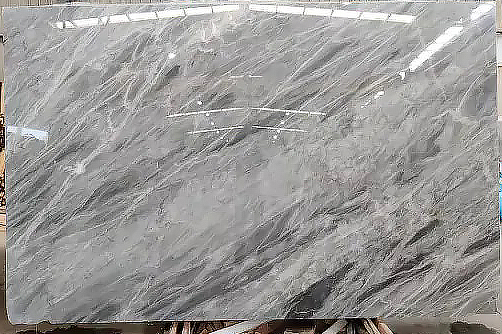
The Resilience of Nature: What Minor Cold Teaches Us About Natural Stone
In the rhythm of the traditional Chinese calendar, there is a period that tests the mettle of both man and nature. This is Minor Cold, or Xiaohan (小寒), the 23rd solar term of the year. Beginning around January 5th, it marks the onset of what is often the coldest stretch of the winter. While the name sounds modest, Minor Cold is a time of profound environmental stress—a season where the world is locked in frost and the “Yang” energy is hidden deep within the earth. This quiet, crystalline stillness prompts us to reflect: What materials truly withstand the tests of time and extreme elements? The answer has long been written in the depths of the earth—natural stone, tempered by hundreds of millions of years of geological evolution.
The Philosophy of Endurance: A Silent Guardian
The core essence of Minor Cold is resilience. Ancient Chinese wisdom tells of the “Three Friends of Winter”—the pine, the bamboo, and the plum blossom—which thrive when all other life retreats. In the realm of high-end architecture, natural stone acts as a silent guardian, inheriting this noble character of enduring the deepest freeze in dignified silence.

While synthetic materials may expand, contract, or degrade under extreme thermal cycling, high-quality granite and quartzite possess a natural weathering resistance that remains unshaken. When we export our slabs during the Minor Cold season, we are providing the “bones” of a structure that will remain steadfast, mirroring the eternal strength of the mountains from which they were hewn.
Thermal Mass: Energy Efficiency in the Deepest Chill
A common misconception is that stone is “cold.” However, during the height of Minor Cold, stone proves to be one of the most efficient tools for thermal comfort.
The Science of the Hearth
Natural stone possesses high thermal mass, meaning it has the incredible ability to absorb, store, and slowly radiate heat. A marble fireplace or a limestone-clad wall acts as a thermal battery. During the freezing nights of Minor Cold, a stone hearth absorbs the heat from the fire and radiates it back long after the flames have dimmed. Therefore, in meticulously designed modern sustainable buildings, stone is more than just decoration; it is a vital passive design element that regulates microclimates and enhances energy efficiency.
Aesthetics of the “Frozen Moment”

There is a unique aesthetic that emerges during Minor Cold, where the landscape is stripped of its greenery, revealing the raw, honest textures of the earth.
-
Ice-White Marbles: These evoke the purity of a fresh snowfall, echoing the “Liu Bai” (meaningful white space) found in traditional Chinese ink paintings—a design choice that elevates the cultural sophistication of any interior.
-
Deep Grey Basalts: Reflect the strength and gravity of the winter sky.
-
Golden Quartzites: Provide a visual warmth that counters the outdoor frost.
In contemporary design, using stone during the winter months is about bringing the organic patterns of nature indoors, creating a sanctuary that feels both grounded and luxurious.
Planning Ahead: Strategising During the “Winter Hide”
In the tradition of Minor Cold, this is a time for “winter hiding”—a period of internal preparation. We call this the season of “Commercial Foresight.” Just as nature stores its energy deep within the soil during the frost, savvy developers and wholesalers use the quiet weeks of January to strategise for the coming spring.
While the earth hides its beauty under the frost, it is the perfect time to explore the hidden gems in our inventory. Selecting your slabs during the Minor Cold period ensures that once the first buds of the Spring Equinox appear, your materials are already prepared and ready to be transformed into timeless landscapes.
FAQ: Frequently Asked Questions

1. Does extreme cold like “Minor Cold” cause natural stone to crack?
Not if the stone is correctly selected and installed. High-density stones like granite have very low porosity, meaning they don’t absorb water that could freeze and expand, making them ideal for even the harshest northern climates.
2. Can I install stone flooring during the winter months?
Absolutely. While outdoor installations require specific temperature-controlled mortars, indoor stone fitting is a popular winter task. Stone’s compatibility with underfloor heating makes it the premier choice for winter comfort.
3. Is there a “warmest” looking stone for winter designs?
Travertine and certain limestones in beige tones offer “visual warmth.” However, even “cool” coloured marbles can feel warm when paired with the right lighting and textures.
4. How does stone compare to synthetic cladding in winter?
Synthetic materials often become brittle in Minor Cold temperatures. The lifespan of natural stone is measured in centuries; its long-term value and eco-friendliness (reusability and low environmental footprint) are far superior to any synthetic alternative.
5. Does the Minor Cold season affect stone quarrying or processing?
While extreme low temperatures at the source can sometimes affect outdoor quarrying, our high-quality slabs are cut and polished in modernised, climate-controlled factories. This ensures that our quality remains consistent and stable all year round, regardless of the weather outside.