



Elevating Luxury Homes: The Art and Trends of Marble Stairs Design
Details always reflect the quality of design, and marble stair design is really essential for luxury house building. Every element, including a sleek black and white marble staircase or a large, curved marble staircase, has to be closely inspected to get the perfect blend of usage and look. Marble staircase design’s most recent trends highlight the elegance and versatility of materials such as Carrara marble, black marble, and even arresting pairings like black and gold marble.

Particularly in luxury houses or upscale businesses, the staircase usually takes centre stage in a space. From the great elegance of brown marble stairs to the traditional appeal of white marble stairs, the stone you choose will greatly affect the general atmosphere. Modern marble staircases, with their simple lines and understated approach, are becoming more and more popular; they sometimes include invisible handrails that accentuate the elegant design without taking away from their visual attractiveness.

Particularly ideal for modern homes where the focus is on open, uncluttered areas are invisible handrails. Embedding the handrail into the wall helps the design look seamless, therefore enabling the marble staircase to take centre stage. Granite marble stairs and more unusual options like grey marble stairs or green marble steps, where the handrail’s subtlety lets the stone’s natural beauty shine, often feature this method in design.
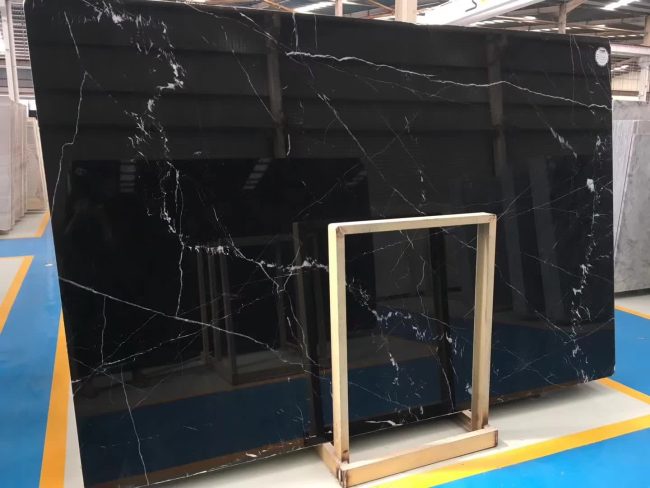
When choosing the best marble for stairs, one has to consider both appearance and durability. For example, black marble steps radiate a trendy, sophisticated appeal, whereas Carrara marble stairs have a classic grace. Black and gold marble stairs or green marble steps can provide a bit of elegance and originality to the area for people wishing to make a strong impression.
Especially when including concealed handrails, the building of these upscale stone stairs calls for careful design and execution. Usually, the method entails putting galvanised angle steel first, then stone dry hanging components, and then the stone itself—any one of the specified varieties—be it a classic white marble staircase or a modern granite marble staircase.
Perfecting Staircase Handrail Design: Dimensions, Placement, and the Appeal of Invisible Handrails
The size and placement of the staircase handrail also reflect great attention to detail. The height should be no less than 900 mm from the front edge of the step, and the handrail’s diameter or form should offer a comfortable grasp, usually ranging from 45 to 60 mm. About 45mm should separate the handrail from the wall to provide simplicity of use without sacrificing the elegant look of the stairway.


Not only a fashion fad, invisible handrails are a useful fix that improves stair functionality while keeping a simple look. This method is common in opulent homes when a major architectural element is indoor marble steps. Whether it’s a more subdued modern staircase or a marble-curved staircase that beautifully spans a great foyer, the use of invisible handrails lets the beauty of the stone take centre stage.


The design and construction of a marble staircase with invisible handrails call for a combination of technical knowledge and aesthetic vision. From the choice of materials like black and white marble or Carrara marble to the exact installation procedures for invisible handrails, every element adds to the ultimate appearance and feel of the staircase. Whether you are choosing a classic style or the newest marble design trends, the outcome should always be a staircase that not only fulfils its purpose but also accentuates the whole room.
