


Introduction: Deciding on the Right Countertop Material
When choosing a new countertop, the decision often comes down to aesthetics vs. performance. Marble and sintered stone are two premium surfaces known for their elegance and sophistication. Marble naturally evokes a timeless, luxurious vibe, while sintered stone—also referred to as ultra-compact slab—combines cutting-edge durability with modern design. This guide provides a detailed comparison of both countertop types, helping you choose the best match based on beauty, functionality, and lifestyle.
Understanding the Materials
What Is a Marble Countertop?
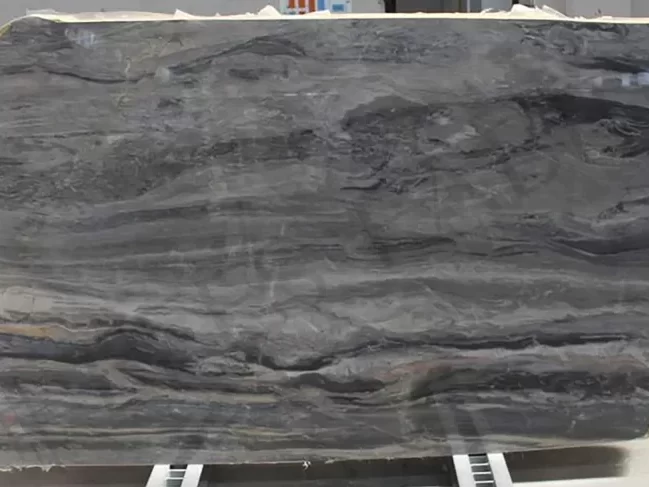
- Nature’s Art: Marble is a metamorphic rock formed under intense heat and pressure, creating rich, unique veining and coloration.
- Luxury Symbol: Its glossy surface and dramatic patterns make it a premium choice in high-end design.
- Common Types: Carrara, Calacatta, Statuario, among others—each differing in hue, veining density, and rarity.
What Is Sintered Stone (Sintered Slab)?
- Engineered Excellence: Made by compacting natural minerals at high pressure and then firing them in high-temperature kilns.
- Ultra-Compact Structure: Non-porous surface combining quartz, porcelain, and other materials.


Detailed Comparison of Marble vs Sintered Stone Countertops
Aesthetics & Design
Marble
- Pros: Exclusive, elegant veining; deep, glossy finish that enhances luxury.
- Cons: Natural color variation may be unpredictable; surface may dull over time.
Sintered Stone
- Pros: Offered in a wide palette: marble-look, concrete-look, and solid colors; uniform appearance.
- Cons: Some patterns may lack natural randomness, looking more artificial.
Durability and Heat Resistance
Marble
- Strengths: Dense and long-lasting; moderate heat resistance.
- Limitations: Porous nature makes it susceptible to stains and etching; aggressive acidic substances can damage surface.
Sintered Stone
- Strengths: Non-porous surface, highly resistant to stains, scratches, and high heat (up to ~300°C); suitable for direct placement of hot cookware.
- Limitations: Edge chipping risks if not handled properly due to its hardness.
Maintenance and Cleaning
Marble
- Easy Care: Wipe with soapy water; needs resealing periodically.
- Challenges: Careful cleaning to avoid stains, etching, or dull spots; sealing required 1–2 times a year.
Sintered Stone
- Low Maintenance: Clean with mild detergent, no sealing needed due to non-porous nature.
- Advantages: Durable surface resists staining and requires minimal upkeep.


Advantages and Disadvantages Summarized
| Feature | Marble Countertop | Sintered Stone Countertop |
|---|---|---|
| Aesthetics | Unique, high-end veining | Broad design options, consistent look |
| Hardness | Durable but softer than sintered stone | Extremely hard and abrasion-resistant |
| Heat Resistance | Moderate; can be damaged with extreme heat | Excellent; can withstand direct heat |
| Porosity | Porous → stain-prone | Non-porous → stain-resistant |
| Maintenance | Requires sealing; careful maintenance | Low-care; simple cleaning |
| Cost | Premium, especially rare types | Competitive, often slightly cheaper |
| Repairability | Can be refinished if damaged | Difficult to repair surface chips |
| Edgework | Easy to shape – curved/rounded edges possible | Challenging for complex shapes |
Application Scenarios: Which Works Where?
Kitchen Countertops
- Marble: Ideal for baking prep areas due to cool surface; avoid cooking zones where spills occur.
- Sintered Stone: Great all-around, handles spills, food prep, and hot pots with ease.
Bathroom Vanities
- Marble: Luxurious look; seal well to prevent soap and water marks.
- Sintered Stone: Low maintenance and stain-resistant; perfect for busy family homes.
Dining Tables
- Marble: Elegant gathering piece; use placemats to protect from scratches.
- Sintered Stone: Durable and scratch-resistant with versatile aesthetics.
Outdoor Use
- Marble: Not ideal in humid/acidic environments due to weathering.
- Sintered Stone: Excellent for outdoor kitchens, seating, and patio bars.


Cost Considerations

- Marble: Costs vary widely—from a few hundred to thousands per square meter—depending on rarity and finish.
- Sintered Stone: Offers premium performance for a similar cost; often more affordable compared to high-end marble.
Installation Tips
Marble Countertops
- Professional Installation: Ensure precision templating & support to prevent cracking.
- Edge Profiles: Polished edges recommended; avoid ultra-thin edges in high-use areas.
- Sealing: Apply high-quality stone sealer and maintain periodically.
Sintered Stone
- Cutting & Handling: Needs diamond tools; edges are fragile—handle carefully.
- Sealing: Not required, but edges/pore areas can still be sealed optionally.
- Support: Provide modular support, especially for undermount sinks or large overhangs.
FAQs
Q1: Which countertop is more stain-resistant: marble or sintered stone?
Answer: Sintered stone is inherently non-porous, making it highly stain-resistant. In contrast, marble must be sealed regularly to prevent staining and etching.
Q2: Can marble handle hot pots directly from the stove?
Answer: Not recommended. While marble tolerates moderate heat, placing hot pots may cause thermal shock or discoloration.
Q3: Which is easier to maintain on a daily basis?
Answer: Sintered stone is a low-maintenance choice—no sealing required and easy to clean. Marble needs careful handling and periodic sealing to preserve its finish.
Q4: Can sintered stone mimic marble’s beauty well enough?
Answer: High-quality sintered slab brands replicate marble veining very closely. Though some subtle randomness may be missing, they still offer a luxurious appearance suitable for most interiors.
Q5: If a sintered stone countertop chips, can it be repaired like marble?
Answer: No; sintered stone lacks the ability for stone resurfacing. Minor chips require professional repair and filling with an epoxy mix or replacement of the edge.
Choosing the Best Countertop for You
To simplify the choice, consider:
- Prioritize Luxury & Uniqueness? → Go with marble, especially premium Carrara or Calacatta.
- Need Everyday Durability & Easy Cleaning? → Choose sintered stone.
- Concerned About Stains & High Traffic? → Sintered stone offers better long-term performance.
- Looking for Budget vs Quality? → Sintered stone may offer better value with less upkeep.
- Want Outdoor-Ready Material? → Sintered stone is more suitable for exterior durability.
Which Countertop Should You Choose?
Both marble and sintered stone countertops offer impressive elegance—but their performance traits define which is best:
- Marble delivers unmatched natural beauty and luxury but requires careful care and sealing.
- Sintered stone offers superior durability, stain resistance, and low maintenance with striking design versatility.
By understanding your lifestyle, aesthetic preference, and performance needs, you can confidently choose the surface that elevates your space.
Let CENTURY STAR guide your selection—with a curated range of premium marble and sintered stone options, expert installation advice, and unmatched craftsmanship support.
? Visit CENTURY STAR at www.hcenturystar.com to discover exquisite countertop collections and receive personalized consultation today.