


Quick Summary

Soft beige marble has become increasingly relevant in premium North American kitchen design because it answers a growing preference for warmth, calm, and more lived-in luxury. While bright white islands still dominate many visual references, more designers and homeowners are now looking for kitchens that feel softer, more tactile, and more naturally layered. In that context, beige marble can be a powerful island material when it is chosen with enough restraint and project awareness.
A kitchen island is rarely just a countertop anymore. In many homes, it is the center of daily use, the visual anchor of the kitchen, and the element that connects cabinetry, flooring, lighting, and adjacent living spaces into one composition. That means the marble used on the island has to perform on more than one level. It needs to look strong in full-room view, work in close-range daily use, and stay elegant after the realities of fabrication are introduced.
That is why luxury kitchen island with soft beige marble should be treated as a design question rather than a color trend. The real issue is not whether beige marble can look luxurious. It absolutely can. The issue is which kind of beige works best, in which kind of kitchen, with what detailing, and under what expectations for use. The most successful islands are usually not the warmest ones. They are the ones with the most balanced decisions behind them.
Why Designers Choose Soft Beige Marble for Luxury Islands
Designers often choose soft beige marble when they want the island to feel warm, architectural, and quietly premium rather than bright and high-contrast. Beige marble can soften the emotional temperature of a kitchen and make the center of the room feel more grounded. This is especially important in North America, where many luxury kitchens now aim for a more relaxed and residential form of elegance rather than a colder showroom effect.
Another reason is palette flexibility. Soft beige marble can sit comfortably between wood, painted cabinetry, brushed brass, muted black accents, natural fabrics, and warm stone-look flooring. It often acts as a bridge material, helping warm and cool tones live together more easily. That makes it especially valuable in kitchens where the design language depends on layered finishes rather than a single dominant tone.
Soft beige marble also appeals to owners who want luxury without visual harshness. Many people are drawn to white marble in principle but find that some white slabs feel too sharp or too formal for the kind of kitchen they actually want to live in. Beige marble can offer similar prestige with a more comfortable atmosphere, provided the undertone stays sophisticated and the slab does not drift too yellow.
What Works Best in North America
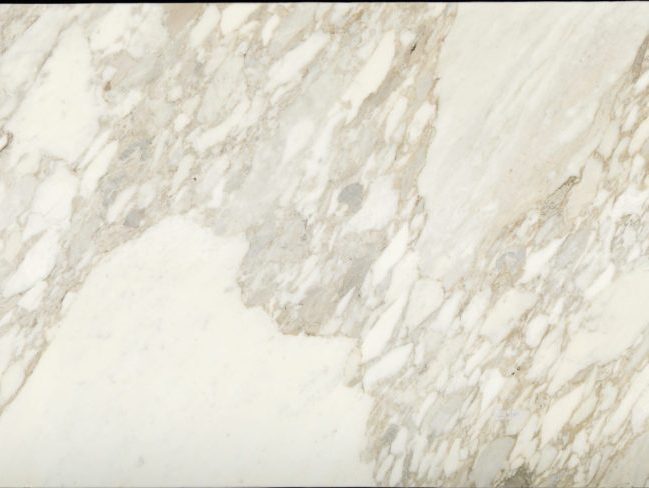
In this market, the strongest soft beige marble islands usually use slabs with controlled movement and more mature undertones. Beige that leans toward greige, taupe, or a softer creamy neutral generally performs better than beige that looks overtly golden. North American luxury interiors often favor warmth, but they also tend to reject anything that feels too yellow or too obviously decorative.
What works best is usually a beige marble that looks refined under mixed lighting. Kitchens in this region are often viewed under daylight, pendant lighting, task lighting, and warm ambient evening light, sometimes all within the same day. A slab that feels balanced in one condition can shift dramatically in another. That is why undertone control matters so much with beige marble.
Designers and buyers in North America also tend to prefer kitchens that feel premium yet comfortable. Beige marble supports that goal especially well when it is paired with oak, walnut, warm off-whites, plaster-like walls, and calmer hardware finishes. In these settings, the island becomes the center of the room in a quiet but persuasive way.

How Soft Beige Marble Changes the Feel of a Kitchen
Creamy Beige Marble
Creamier beige marble can make the kitchen feel soft, elegant, and more inviting. It often performs well in transitional and warm residential interiors, especially when paired with wood and warmer metals. The main challenge is keeping the tone from becoming too sweet or too yellow.
Greige Beige Marble
This is often the most versatile direction for North America because it balances warmth with sophistication. Greige beige marble can work beautifully with oak, walnut, matte black, bronze, and layered neutral cabinetry. It often creates the most mature and project-friendly version of a beige marble island.
Taupe-Inflected Beige Marble
Taupe-based beige marble tends to feel more architectural and less decorative. It can be highly effective in contemporary and hospitality-inspired kitchens where the island should feel calm, substantial, and slightly more tailored. These slabs often age especially well visually because they are less likely to fall into trend-driven warmth.
What Veining and Movement Work Best?
For kitchen islands, the best soft beige marble usually has movement that is broad, gentle, or softly directional rather than highly fragmented. The island is a large horizontal object. If the pattern is too active, the eye never settles, and once sink cutouts or waterfall ends are added, the visual problem usually becomes more obvious.
Designers usually look for slabs whose movement can survive fabrication. A marble that looks impressive in the warehouse may lose most of its value if the most beautiful areas are interrupted by edge turns, sink openings, or seams. A calmer slab often becomes more luxurious after installation because it reads as one coherent piece rather than as several competing surface moments.
More expressive beige marble can still work, especially in large custom kitchens where the island is meant to be memorable. But stronger movement generally needs more restraint in cabinetry, backsplash language, and surrounding finishes. The more visual identity the stone carries, the quieter the room around it typically needs to be.
Design, Detailing, and Performance: What to Judge Early
| Factor | Why It Matters | Best Design Response | Main Risk |
|---|---|---|---|
| Undertone | Controls whether the kitchen feels warm or overly yellow | Choose balanced creamy, greige, or taupe-based beige | Wrong undertone makes the island feel dated |
| Movement Scale | Determines whether the island feels calm or visually busy | Use broader, softer movement for long islands | Too much activity can feel fragmented after fabrication |
| Finish | Affects light response, mood, and tactile impression | Polished for luminous luxury; honed for softer calm | Wrong finish can make beige feel too formal or flat |
| Edge Detail | Shapes how substantial or minimal the island feels | Match thickness strategy to cabinetry and room scale | Poor edge choices can make the island look generic |
| Layout Logic | Determines whether the slab survives real-world cutting | Plan sink, seams, and waterfall flow before approval | Even a beautiful slab can fail after weak layout planning |
Polished or Honed Soft Beige Marble?
Polished Soft Beige Marble
Polished beige marble often creates a richer and more luminous effect. It can be especially successful in larger kitchens or luxury interiors that want more formal visual depth. Polishing tends to enhance the stone’s tonal layering and can make the island feel more obviously precious.
Honed Soft Beige Marble
Honed beige marble usually feels more contemporary, more tactile, and more architectural. It often works especially well in warm modern kitchens where the island should feel quiet and integrated rather than glossy. Many designers prefer honed beige because it supports softness without losing material credibility.
The best choice depends on the kind of luxury the room is trying to express. Polished often reads as brighter and more classic. Honed often reads as calmer and more current. Beige marble can support both, but the room around it should agree with the finish decision.

Detailing That Actually Improves a Soft Beige Marble Island
Waterfall Ends
Waterfall ends can be very effective with soft beige marble because they reinforce the island’s monolithic presence and help the stone feel architectural rather than simply decorative. But the layout has to be resolved carefully. Vein flow, vertical transition, and edge condition all matter. A poor waterfall makes even a strong slab feel less intentional.
Mitered Edge Thickness
A thicker-looking island can make beige marble feel more substantial, especially in large kitchens where the island needs stronger presence. In smaller kitchens, however, too much thickness can make the island feel bulky. The best thickness strategy usually depends on cabinet profile, room scale, and whether the kitchen wants sharper minimalism or softer material emphasis.
Sink and Fixture Placement
This is one of the most underestimated design decisions. Beige marble often relies on continuity and tone as much as on dramatic pattern, so a poorly positioned sink can interrupt the visual flow quickly. The earlier the cutout and fixture logic are reviewed, the stronger the final island usually becomes.
What to Pair with Soft Beige Marble
Wood Cabinetry
Soft beige marble often works beautifully with oak and walnut because wood reinforces the stone’s warmth without making the room feel too formal. Oak usually supports a lighter, softer, more natural kitchen expression. Walnut often adds a deeper hospitality-like luxury.
Metal Finishes
Brushed brass, bronze, muted black, and softer nickel finishes can all work, but the strongest pairing depends on undertone. Warmer beige generally suits warmer metals. More greige or taupe marble can handle black or muted nickel more comfortably. The goal is consistency in mood rather than contrast for its own sake.
Flooring and Backsplash Language
When the island uses a strong beige marble, the surrounding surfaces often benefit from restraint. A calmer backsplash and simpler flooring usually allow the island to lead the composition without creating too much visual warmth. Beige marble tends to feel most premium when it is supported by balance rather than repeated too many times across every surface.
Performance Reality: What Owners Should Know
Soft beige marble can create an extraordinary luxury island, but buyers should still approach it with realistic expectations. In North America, the island is often one of the hardest-working surfaces in the home. Marble is therefore usually selected because its design value is worth the extra awareness it may require, not because it is the most maintenance-free option available.
This is not a weakness if the design priorities are clear. Many owners choose beige marble knowingly because the visual result feels warmer, more residential, and more tailored than many alternative surfaces. When that choice is made consciously, it can be one of the most rewarding materials in the whole kitchen.
It is also important to remember that performance depends on more than the slab. Fabrication quality, detailing discipline, edge execution, and project-specific layout planning all influence how well the island performs visually and practically over time.
Common Design Mistakes
The first mistake is choosing a slab that is too warm for the rest of the kitchen. Beige marble becomes sophisticated through balance, not through maximum golden tone. The second mistake is ignoring undertone. A slab that looks gentle in isolation may feel yellow or flat once placed next to cabinetry, lighting, and flooring.
Another common issue is underestimating detailing. Many islands fail not because the marble is wrong, but because the edge, sink placement, or waterfall transition was handled without enough discipline. Buyers also sometimes assume that stronger veining always means more luxury. In practice, many of the best beige marble islands feel richer because they are calmer and better integrated.
Finally, some projects treat the island as if it exists separately from the rest of the kitchen. A luxury island only works when cabinetry, hardware, lighting, and floor tone all support the same emotional direction.
How CENTURY STAR Supports Soft Beige Marble Island Projects
For buyers sourcing from China, support matters because luxury beige marble islands require more than attractive raw slabs. They require selection judgement, layout awareness, fabrication coordination, and practical thinking about how the slab will behave once it becomes a finished island. CENTURY STAR can support this process by helping buyers compare beige marble directions, evaluate slab suitability for island scale, and think through transitions such as waterfall ends, cutout positions, and edge strategies.
For architects, designers, developers, and premium project buyers, this kind of support matters because the best beige marble islands are not improvised. They are the result of early decisions that align aesthetics, usability, and detailing from the start.

FAQ
1. Is soft beige marble a good choice for a luxury kitchen island?
Yes. Soft beige marble can be an excellent luxury kitchen island material because it provides warmth, natural elegance, and a more welcoming visual effect than many bright white surfaces.
2. What type of soft beige marble works best for kitchen islands in North America?
Balanced creamy beige, greige beige, and taupe-inflected beige marbles often work best because they feel warm without becoming too yellow and integrate well into premium North American palettes.
3. Should a soft beige marble island be polished or honed?
Both can work. Polished marble usually feels richer and more formal, while honed marble often feels softer and more contemporary. The best choice depends on the project style and lighting.
4. Do waterfall ends suit soft beige marble?
Yes, often very well. Soft beige marble waterfall ends can look especially strong when the slab layout is planned carefully and the room supports a more monolithic island expression.
5. What matters more for a beige marble island: slab beauty or detailing?
Both matter, but detailing is often underestimated. Even an excellent slab can underperform if sink placement, edge logic, or waterfall transitions are not resolved properly.
6. Why do designers choose soft beige marble instead of white marble for some islands?
Because soft beige marble often feels warmer, more residential, and easier to integrate into layered interiors. It can create luxury with comfort rather than visual sharpness.
Final Note / Practical Takeaway
What works best in North America for a luxury kitchen island with soft beige marble is usually not the warmest slab, but the one that balances undertone, movement, detailing, and full-room coordination. Buyers who evaluate beige marble through design logic and project reality tend to achieve the most elegant and lasting results.