


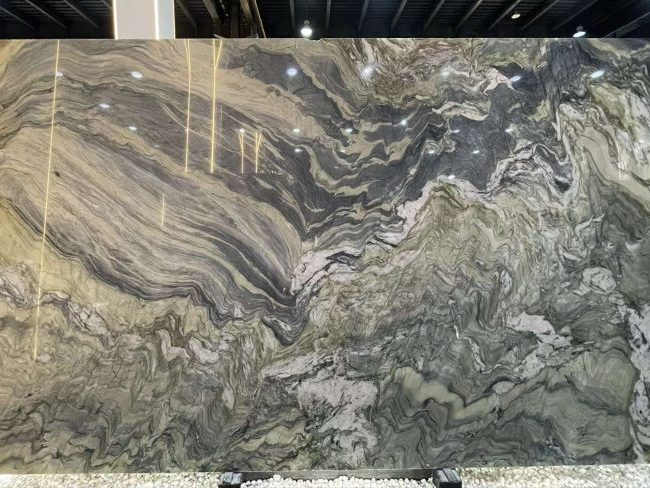

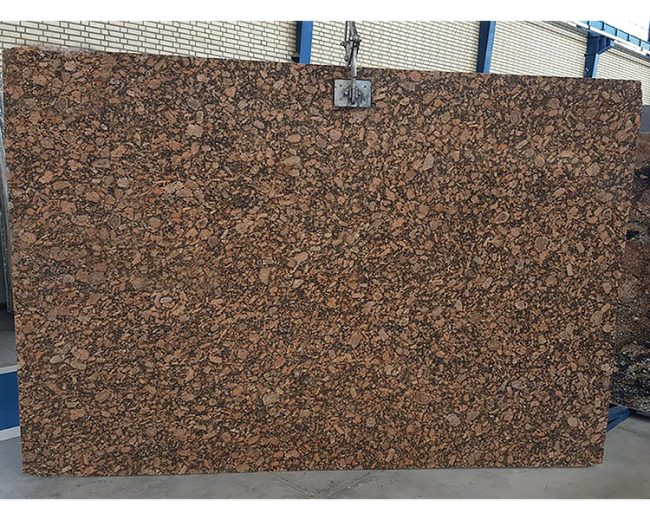
Quick Summary: A luxury bathroom vanity with quartz works best when the project needs a clean, consistent, modern, low-maintenance, and visually controlled stone-look surface. Quartz is especially suitable for hotel bathrooms, apartment bathrooms, villa guest bathrooms, double vanities, floating vanity tops, vanity backsplashes, and repeated commercial projects where color consistency and practical maintenance matter. For the best result, designers and buyers should focus on slab size, color tone, vein scale, edge profile, sink style, backsplash height, lighting, cabinet matching, and fabrication drawings before production.

Design Logic: Why Quartz Works for Luxury Bathroom Vanities
A luxury bathroom vanity is more than a countertop. It is the visual and functional center of the bathroom. The vanity top, basin, faucet, mirror, lighting, cabinetry, backsplash, and wall finish all work together to define the overall mood of the space. When quartz is used correctly, it can create a clean hotel-style atmosphere with good visual consistency and practical daily performance.
Quartz is often selected for luxury bathroom vanity projects because it gives designers control. Natural marble and quartzite can be beautiful, but their color and veining vary from slab to slab. Quartz offers a more predictable appearance, which is valuable when the project needs a refined look across multiple bathrooms, rooms, floors, or units.
For villas, quartz can make a guest bathroom feel bright, calm, and easy to maintain. For hotels, quartz can help create a consistent vanity style across many rooms. For apartment developments, quartz can support a premium bathroom upgrade without the same slab-by-slab selection complexity as natural stone. This is why quartz is often chosen not only for appearance, but also for project control.
Quartz Is Best When the Bathroom Needs Clean Luxury
The strongest design value of quartz is controlled elegance. A white quartz vanity with soft veining can create a bright and timeless bathroom. A warm beige quartz vanity can make the space feel softer and more residential. A light grey quartz vanity can support a modern hotel or apartment style. These designs feel luxurious without becoming visually heavy.
Quartz works especially well when the bathroom design includes large mirrors, floating cabinetry, indirect lighting, wall-mounted faucets, and minimal hardware. The surface provides a polished stone-look foundation while allowing the surrounding design elements to remain clean and organized.
Material Logic: What Type of Quartz Works Best?
The best quartz for a luxury bathroom vanity depends on the bathroom size, lighting, cabinet color, sink type, wall design, and project positioning. Designers should not choose quartz only from a small sample. A small sample may show the color, but it may not show the full vein scale, pattern movement, or repetition across a long vanity top.
White Marble-Look Quartz
White marble-look quartz is one of the most popular choices for luxury bathroom vanities. It creates a clean, bright, and timeless impression. It works well with white cabinets, oak cabinets, walnut cabinets, brushed nickel, chrome, matte black, and champagne gold hardware.
This type of quartz is suitable for master bathrooms, hotel bathrooms, apartment bathrooms, and double vanity layouts. The key is to select a vein pattern that fits the vanity length. Very large veins may look beautiful on a slab but may feel too strong on a narrow vanity. Soft veining is usually safer for repeated rooms and hotel projects.
Warm Beige Quartz
Warm beige quartz works best when the bathroom needs a soft luxury feeling. It pairs well with wood cabinetry, brushed brass, bronze mirrors, cream wall tiles, warm lighting, and spa-inspired design. Beige quartz is often easier to maintain visually than pure white surfaces because it feels warmer and less clinical.
For luxury residential bathrooms, beige quartz can create a calmer and more comfortable atmosphere. It is especially suitable for guest bathrooms, villa bathrooms, boutique hotel suites, and bathrooms where the designer wants warmth rather than strong contrast.
Grey Quartz
Grey quartz is suitable for modern bathrooms, commercial bathrooms, hotel suites, and apartment projects. Light grey quartz can feel clean and architectural, while darker grey quartz can create a stronger contemporary look. Grey quartz pairs well with black metal, stainless steel, cool lighting, concrete-look tiles, and dark wood cabinets.
For bathrooms with limited natural light, designers should be careful with very dark grey quartz. A darker vanity top can look elegant, but it may also make a small bathroom feel heavier. In compact bathrooms, light grey or soft warm grey usually works better.
For material comparison and color direction, buyers can review CENTURY STAR’s quartz material options to evaluate suitable patterns for vanity tops, backsplashes, and bathroom wall details.

Spatial Application: Best Bathroom Vanity Designs with Quartz
1. Quartz Double Vanity for Master Bathrooms
A quartz double vanity works well in master bathrooms because it provides a wide, clean, and durable-looking surface. The layout should consider two sink positions, faucet spacing, mirror division, cabinet storage, lighting, and joint placement. If the vanity is long, the quartz slab size and pattern direction should be checked before production.
For luxury bathrooms, a waterfall side panel or mitered edge can make the vanity feel more customized. A matching quartz backsplash can also create a more complete design instead of leaving the countertop as a separate surface.
2. Floating Quartz Vanity
A floating vanity with quartz creates a modern and light visual effect. The quartz top can sit above a wood or painted cabinet, or it can be designed with a thicker mitered edge for a more architectural look. The wall structure, cabinet support, stone weight, and bracket design must be confirmed before fabrication.
Floating vanities are especially suitable for contemporary villas, hotel bathrooms, boutique apartments, and show flats. They make the bathroom feel more spacious and allow lighting to be integrated below the cabinet.
3. Quartz Vanity with Full Backsplash
A full-height quartz backsplash can make a bathroom vanity feel more luxurious. Instead of using only a short 100 mm or 150 mm backsplash, designers can extend quartz behind the mirror or up to the wall lighting area. This creates visual continuity and helps the vanity area become a feature wall.
This design works best when the quartz pattern is controlled and not too busy. The mirror size, faucet position, wall lights, outlet locations, and panel joints should be coordinated before cutting.
4. Hotel Bathroom Vanity with Quartz
Quartz is a practical material for hotel bathroom vanity projects because it supports repeated design, consistent color, and easier maintenance planning. In hotel rooms, the vanity must look premium but also handle frequent use. Quartz can provide a clean and reliable solution when the project team controls fabrication details carefully.
For hotel projects, buyers should confirm batch consistency, replacement material availability, edge detail, sink cutout quality, and packaging method. A hotel vanity is not only a design item; it is a repeated project component that needs stable production control.
5. Powder Room Quartz Vanity
A powder room gives designers more freedom. Since the space is usually smaller and used by guests, the vanity can become a design highlight. A bold quartz pattern, darker color, or strong contrast can work well if the lighting and cabinet design are balanced.
However, quartz is still most successful when the pattern scale fits the vanity size. A very dramatic pattern may look awkward if only a small part of the slab appears on the countertop. Reviewing the cutting layout before production is important.
Material Matching Strategy
A luxury bathroom vanity with quartz should be planned as part of the full bathroom palette. The quartz should match the cabinet, mirror, faucet, wall tile, floor tile, lighting temperature, and overall design style.
Quartz with Cabinetry
White quartz pairs well with white cabinets, light oak, walnut, and black cabinets. Beige quartz works beautifully with warm wood and cream cabinetry. Grey quartz is suitable for black, charcoal, white, and smoked wood cabinets. If the cabinet has strong wood grain, a quieter quartz pattern is usually better. If the cabinet is plain, the quartz can have more movement.
Quartz with Faucets and Hardware
Chrome and brushed nickel work well with white and grey quartz. Brushed brass, champagne gold, and bronze work well with beige, cream, and warm white quartz. Matte black can create a strong modern contrast, especially with white or grey quartz. The metal finish should support the stone color instead of fighting against it.
Quartz with Lighting
Lighting changes how quartz appears. Warm lighting can make beige and cream quartz feel richer. Cool lighting can make white and grey quartz look cleaner. In luxury bathrooms, soft mirror lighting and indirect lighting usually work better than harsh overhead light. Designers should review quartz samples under lighting close to the final bathroom environment before confirming the material.

Engineering Logic: What to Confirm Before Fabrication
Even when quartz looks simple, a vanity project still requires accurate fabrication planning. The final quality depends on slab size, thickness, edge profile, sink cutouts, faucet holes, backsplash layout, wall flatness, and installation details.
Thickness and Edge Profile
Quartz vanity tops are commonly designed with standard thickness, but luxury projects often use mitered edges to create a thicker visual profile. A mitered edge can make a vanity top look more substantial and custom, but it requires precise cutting, bonding, polishing, and corner control.
For modern bathrooms, a straight eased edge is clean and practical. For luxury bathrooms, a mitered thick edge can create a stronger architectural presence. For hotel projects, the edge should be beautiful but also practical for repeated production and long-term use.
Sink Cutouts and Faucet Holes
Sink and faucet planning is one of the most important technical steps. The supplier needs accurate sink models, faucet positions, drain locations, wall-mounted faucet details, and cabinet drawings before cutting. Poor cutout planning can cause installation problems, weak points, or visible misalignment.
For undermount sinks, the edge polish around the opening must be clean and consistent. For vessel sinks, the hole size and placement must match the basin and faucet. For wall-mounted faucets, the backsplash or wall panel must be coordinated with plumbing positions.
Backsplash and Wall Panel Coordination
If the project uses quartz for both the vanity top and backsplash, the shop drawing should show exact height, joint position, side returns, mirror edge, outlet holes, and faucet relationship. For full-height quartz panels behind the vanity, the wall flatness and installation method should be reviewed before production.
For application planning, buyers can also review CENTURY STAR’s quartz bathroom vanity selection guide to compare design, fabrication, and project decision points before confirming a custom order.
Procurement Logic: What Buyers Should Control
Quartz bathroom vanity procurement should be handled as a finished project package, not only a material purchase. Buyers should confirm material color, slab size, thickness, surface finish, sink type, faucet details, backsplash design, edge profile, drawings, packaging, lead time, and installation coordination.
What Buyers Should Request from the Supplier
Before production, buyers should request material photos, sample confirmation, slab size information, shop drawings, sink cutout drawings, edge detail confirmation, backsplash layout, production schedule, and packaging photos. For hotel or multi-unit projects, batch consistency and future replacement availability should also be discussed.
When Quartz Is the Best Procurement Choice
Quartz is a strong procurement choice when the project needs a luxury look with controlled color, repeated production, and lower selection risk. This makes it suitable for hotel bathrooms, apartment bathrooms, residential developments, commercial suites, and villa bathrooms where a clean and consistent look is important.
For broader bathroom application planning, buyers can review CENTURY STAR’s bathroom vanity stone application options and compare quartz with marble, quartzite, granite, and other custom stone solutions.
When Buyers Should Consider Another Material
Quartz may not be the best choice when the client wants rare natural variation, dramatic bookmatching, strong translucent effects, or a one-of-a-kind natural slab identity. In those situations, quartzite, marble, onyx, or selected natural stone may be more appropriate. Quartz is best when the buyer values consistency, clean design, and project efficiency.
Global Design Trend Insight
Luxury bathroom vanity design is moving toward larger surfaces, floating cabinets, integrated lighting, wall-mounted faucets, full-height backsplashes, and cleaner stone-look materials. Quartz fits this trend because it allows designers to create a refined vanity area without excessive natural variation.
Another trend is hotel-style bathroom design in residential spaces. Homeowners increasingly want bathrooms that feel calm, bright, and professionally designed. Quartz supports this direction because it can create a clean luxury surface while remaining practical for daily use.

Comparison and Design Decision Table
| Bathroom Vanity Situation | What Works Best with Quartz? | Design Reason | Risk to Control | Alternative Material |
|---|---|---|---|---|
| Luxury master bathroom | White or warm beige quartz with soft veining | Creates clean, calm, hotel-style luxury | Vein scale and lighting tone | Quartzite, marble |
| Hotel double vanity | Consistent light quartz with practical edge profile | Supports repeated rooms and easier replacement planning | Batch consistency and cutout quality | Sintered stone, granite |
| Floating vanity | Mitered quartz top with concealed support | Gives a modern architectural effect | Support structure and wall fixing | Sintered stone, quartzite |
| Vanity with full backsplash | Matching quartz top and wall panel | Creates a complete luxury vanity zone | Mirror, faucet, outlet, and joint coordination | Marble, quartzite, porcelain slab |
| Powder room statement vanity | Stronger quartz pattern or darker color | Allows a memorable design in a small space | Pattern scale on a small top | Onyx, marble, quartzite |
Common Design Mistakes
Choosing Quartz from a Small Sample Only
A small sample does not show how the full vanity will look. Designers should review larger photos, slab images, or full-panel references before confirming the material.
Using a Pattern That Is Too Busy for the Vanity Size
Strong veining may look attractive, but it can feel crowded on a small vanity. The pattern scale should match the countertop length, sink position, and bathroom size.
Ignoring Sink and Faucet Coordination
Luxury vanity design depends on accurate details. Sink openings, faucet holes, wall-mounted faucet positions, and mirror dimensions should be confirmed before cutting.
Forgetting the Backsplash Design
A quartz vanity top can look unfinished if the backsplash is not planned. A short backsplash, full-height backsplash, side return, or matching wall panel should be decided during the design stage.
FAQ
1. Is quartz good for a luxury bathroom vanity?
Yes. Quartz is good for a luxury bathroom vanity when the project needs a clean, consistent, modern, and low-maintenance stone-look surface. It works especially well for hotel bathrooms, villas, apartments, and double vanities.
2. What color quartz works best for bathroom vanities?
White, warm beige, light grey, and soft marble-look quartz are usually the safest choices. They create a bright and refined bathroom atmosphere while matching many cabinet and hardware finishes.
3. Is quartz better than marble for bathroom vanities?
Quartz is better when the project needs consistency, easier maintenance, and repeated production. Marble is better when the client wants authentic natural veining, classic luxury, and unique slab character.
4. Can quartz be used for a floating bathroom vanity?
Yes. Quartz can be used for floating bathroom vanities, but the support structure, wall fixing, cabinet design, and stone weight must be reviewed before fabrication and installation.
5. What is the main risk when using quartz for vanity tops?
The main risk is poor fabrication planning. Sink cutouts, faucet holes, edge profiles, backsplash dimensions, and joint positions must be confirmed with accurate drawings before production.
6. When should buyers choose another material instead of quartz?
Buyers should consider another material when they want rare natural movement, dramatic bookmatching, translucent effects, or a one-of-a-kind luxury stone identity. In those cases, quartzite, marble, onyx, or other natural stones may be more suitable.
Final Note / Practical Takeaway: A luxury bathroom vanity with quartz works best when the project values clean design, consistent color, practical maintenance, and controlled fabrication. White, beige, grey, and soft marble-look quartz are especially suitable for hotel-style bathrooms, double vanities, floating vanities, and full backsplash designs. To achieve a premium result, buyers should confirm the quartz pattern, slab size, thickness, edge detail, sink cutouts, faucet positions, backsplash layout, shop drawings, and packaging before production.
References
- Natural Stone Institute. Dimension Stone Design Manual, latest available edition.
- ASTM International. ASTM C1528/C1528M, Standard Guide for Selection of Dimension Stone.
- ASTM International. ASTM C1242, Standard Guide for Selection, Design, and Installation of Dimension Stone Attachment Systems.