


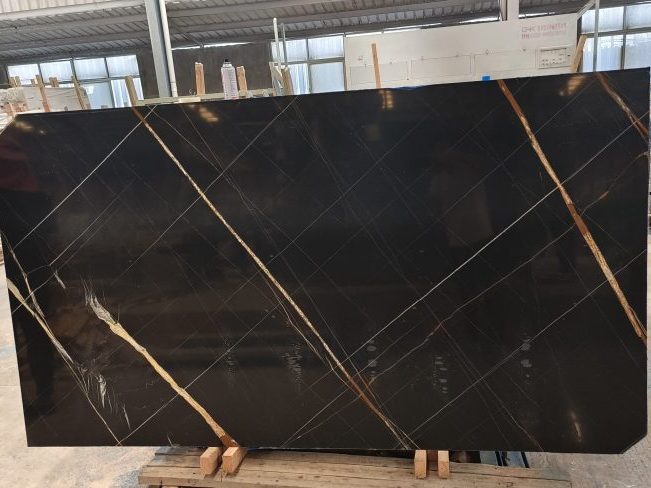
Quick Summary: Procurement teams sourcing Quartzite for a kitchen island should manage the order as a complete natural-stone project package rather than a simple slab purchase. The process should cover actual slab approval, material identity, color and vein range, natural fissures and crystalline areas, slab dimensions, cutting yield, supplier verification, factory capability, CAD layouts, sink and cooktop openings, mitered edges, waterfall panels, seating-overhang support, staged quality control, reinforced export packing, and delivery documentation. Quartzites such as Taj Mahal, Mont Blanc, Cristallo, Patagonia, Blue Roma, and other commercially traded varieties can differ substantially in appearance, structure, translucency, natural features, fabrication difficulty, and price. The safest sourcing decision is based on the exact slabs being purchased, realistic fabrication planning, documented QC, and a transparent delivered-project scope rather than the lowest quoted slab rate.
Why Buyers Misjudge Quartzite Suppliers
Quartzite kitchen islands are frequently purchased for their combination of natural movement, crystalline structure, and premium visual character. The buying process can nevertheless become misleading when procurement teams begin with only a stone name, a sample, and a square-meter quotation.
Two suppliers may both quote Taj Mahal Quartzite, Mont Blanc Quartzite, or another commercial variety while offering slabs with different backgrounds, vein intensity, slab dimensions, resin treatment, natural fissures, usable yield, and fabrication risk. Even material from the same general quarry family can vary between blocks and production batches.
A second problem is that attractive slab inventory does not prove the supplier can fabricate a large kitchen island. A finished island may require sink openings, cooktop cutouts, long narrow rails, mitered edges, waterfall ends, concealed reinforcement, polished edges, matched seams, and heavy export packaging.
The procurement team therefore needs to evaluate the stone supplier and the fabrication route separately.
A Sample Does Not Represent the Full Slab
A small quartzite sample may show the general color and finish but cannot represent the full movement of a large slab. Broad veins, crystalline fields, translucent sections, dark inclusions, natural fissures, repaired areas, and changes in mineral density may only become visible when the complete slab is reviewed.
Procurement approval should therefore be based on current numbered slabs. Full-slab photographs and videos should show the complete face, dimensions, major natural features, and enough detail to support the cutting plan.
The Commercial Name Is Not Enough
The stone trade uses commercial names to organize materials, but procurement teams should not rely on the name alone to determine performance or identity. Some stones sold in the wider market under quartzite-related descriptions may differ significantly in mineral composition and behavior.
Where stone identity is important to the specification, buyers should request reliable technical information and, for higher-risk projects, consider appropriate testing or petrographic confirmation rather than relying entirely on marketing terminology.
Design Logic: Define the Island Before Selecting the Quartzite
The stone should be selected against the actual island geometry. Procurement teams should confirm the finished length and width, visible elevations, seating direction, sink and cooktop positions, waterfall panels, finished edge thickness, seam expectations, cabinet finish, flooring, backsplash, and lighting.
Different quartzite patterns suit different island geometries. Taj Mahal Quartzite can work effectively in warm neutral kitchens because its cream, beige, taupe, and soft-grey movement can remain visually calm across a large surface. Mont Blanc Quartzite may support lighter white-grey interiors. Patagonia Quartzite can create a much stronger statement because of its crystalline fields, contrasting fragments, and potential translucency. Blue Roma Quartzite introduces pale blue-grey tones and dark mineral movement that require more deliberate slab placement.
The strongest slab area should normally be assigned to the most visible part of the island. In an open-plan residence, this may be the seating elevation and waterfall end rather than the working side facing the cabinets.
Procurement teams reviewing the broader material category can use CENTURY STAR’s Quartzite material collection as an initial sourcing reference before approving actual slabs.

Material Logic: Evaluate Quartzite Slab by Slab
Confirm Color and Pattern Range
Natural Quartzite can vary significantly from slab to slab. The buyer should define an acceptable color and vein range rather than approve one particularly attractive slab and assume the remaining material will match it.
When several slabs are required, they should be photographed under comparable lighting. The procurement team should review them together and decide which slabs should be adjacent in the finished island.
Identify Natural Fissures and Crystalline Areas
Natural fissures, mineral transitions, crystalline pockets, and contrasting veins can contribute to the stone’s visual character while also influencing cutting decisions.
A visually dramatic area may be suitable in the center of a broad countertop but less appropriate through a narrow rail around a sink opening. The factory should therefore evaluate slab features before finalizing the CAD nesting.
Review Resin, Mesh, and Repairs
Some Quartzite slabs may receive resin treatment, local repairs, or backing during slab processing. These treatments are not automatically defects, but procurement teams should know where they are located and whether they influence appearance, cutting, edge finishing, or adhesive selection.
Close-up photographs should be requested for important repaired areas and unusual natural features.
Consider Translucency Where Relevant
Some crystalline quartzites, including selected Cristallo or Patagonia-type materials, may contain translucent sections. If the design intends to use lighting, the actual slabs should be tested and mapped rather than assuming uniform translucency.
For a conventional kitchen island without backlighting, translucency should still be understood because crystal-rich areas may behave differently during fabrication and edge finishing.
Buyers comparing Quartzite with other natural stones can also review CENTURY STAR’s Natural Stone Guide covering key types, features, and applications.
Supplier Logic: What Procurement Teams Should Verify
Current Slab Inventory
The supplier should provide current numbered slab photographs, videos, dimensions, thickness, finish, quantity, and storage information. Old project photographs or sample boards do not prove that similar material is currently available.
Material Reservation
Once slabs are approved, the supplier should identify and reserve them. For multi-slab packages, procurement teams should confirm whether all slabs belong to the same block, batch, or a deliberately matched visual group.
Technical Communication
A capable supplier should be able to discuss slab yield, vein direction, fissures, cutout risks, edge fabrication, waterfall alignment, reinforcement, packaging, and installation access instead of treating the order only as a material sale.
CAD and Shop-Drawing Support
The supplier should convert the architectural and cabinet information into controlled stone drawings. The final package should show the island top, waterfall pieces, edge strips, sink and cooktop openings, faucet holes, seams, overhangs, reinforcement areas, and piece numbers.
Quotation Transparency
Material, fabrication, packaging, and logistics should be identifiable separately. Procurement teams should understand the costs of mitering, openings, edge finishing, reinforcement, dry laying, special handling, and export packing.

Factory Logic: Verify the Real Fabrication Capability
Quartzite is generally harder to cut and finish than many marbles, and highly crystalline or fissured materials can require careful fabrication planning. The factory should have both suitable equipment and operators experienced with premium natural Quartzite.
Cutting and CNC Capability
Production may involve bridge saw cutting, CNC processing, waterjet cutting, drilling, mitering, edge polishing, reinforcement, and dry laying. Tooling and cutting speed should be appropriate for the selected material.
The buyer does not need to prescribe machining parameters, but the supplier should demonstrate previous experience with comparable Quartzite and similar island geometry.
Sink and Cooktop Openings
Large openings create narrow rails that can become vulnerable during lifting and transportation. The factory should review opening dimensions, internal corner geometry, faucet holes, appliance clearances, natural fissures, and reinforcement before cutting.
Mitered Edge Capability
Mitered edges can create the appearance of a thicker island while using standard slab thickness. The quality depends on accurate cutting, controlled bonding, reinforcement, edge alignment, and final finishing.
Crystalline Quartzite may reveal chips or adhesive inconsistencies at the edge if fabrication quality is poor. Procurement teams should request close-up examples of previous miter work.
Waterfall Panel Alignment
Waterfall panels should be planned together with the main island top. The factory should show how the vein or mineral movement will transition across the joint.
The goal should be a deliberate relationship between the surfaces. Natural slabs do not always allow perfect continuation without excessive waste, and the procurement team should approve the realistic result before cutting.
Quality Control Logic: Inspect the Project in Stages
1. Material Inspection
Verify slab numbers, dimensions, thickness, finish, background color, vein range, natural fissures, crystalline sections, resin, mesh backing where applicable, repaired areas, and existing edge damage.
2. CAD Cutting-Layout Inspection
Review the proposed nesting before cutting. Check the location of the island top, waterfall panels, sink opening, cooktop opening, front edge strips, seams, spare pieces, and reinforcement zones.
Natural fissures or highly crystalline sections should be mapped against vulnerable cutout areas.
3. Dimensional Inspection
Finished pieces should be measured against the approved drawings. Check length, width, thickness, squareness, opening dimensions, hole locations, miter geometry, seams, and edge profiles.
4. Surface and Edge Inspection
Inspect for scratches, chips, resin visibility, unexpected repairs, inconsistent polish, damaged crystalline areas, miter quality, adhesive lines, and corner condition.
5. Dry-Lay Confirmation
Major components should be arranged according to the intended island layout where practical. Overall and close-up photographs should show vein direction, waterfall relationships, seam positions, edge joints, and openings.
6. Packing Inspection
Before crates are closed, verify piece numbers, foam protection, edge guards, temporary supports around openings, waterproof wrapping, crate fixing, and correspondence with the final packing list.

Engineering Reality Before Production
Finalize Cabinet and Support Geometry
The stone package depends on the final cabinet dimensions and structural support. Cabinet panels, service voids, appliance housings, fillers, seating structures, steel supports, and finished floor levels should be coordinated before fabrication.
Use Final Appliance Templates
The factory should receive approved sink, cooktop, faucet, outlet, dispenser, and accessory templates rather than approximate dimensions.
Changing an appliance after fabrication can make the finished countertop unusable or create insufficient stone around the opening.
Review Seating Overhang Support
A large Quartzite seating overhang should not be assumed to be structurally safe merely because Quartzite is a hard material. Support requirements depend on thickness, stone condition, depth, span, expected loading, cabinet construction, and project engineering.
Hidden steel frames, brackets, or other supports may be required and should be coordinated before cutting.
Plan Seams Around Slab Dimensions
Very large islands may require seams because of available slab size, transportation limits, access, or fabrication safety. Seam positions should be chosen deliberately and should avoid vulnerable narrow rails where possible.
Do Not Confuse Hardness with Indestructibility
Natural Quartzite may provide strong scratch and heat resistance relative to many softer stones, but finished components can still chip or crack at edges, cutouts, unsupported overhangs, and natural fissures.
Performance expectations should therefore be based on the actual stone, geometry, support, fabrication, and use rather than the word “Quartzite” alone.
Packaging, Shipping, and Delivery Risk
Design Packaging Around the Island Components
A custom island requires more protection than standard rectangular slabs. Finished components should be secured using foam, separators, edge guards, waterproof protection, rigid internal fixing, and reinforced fumigated wooden crates.
Reinforce Vulnerable Openings
Sink and cooktop openings can leave long narrow rails that are vulnerable to flexing during transportation. Temporary reinforcement or rigid backing may be required until installation.
Protect Crystalline and Mitered Edges
Highly crystalline edges and thin mitered returns can chip during handling. These areas should be separated from heavier stone pieces and protected from direct contact with the crate structure.
Use Traceable Piece Identification
Every component should correspond to the shop drawing, dry-lay record, and packing list. Piece numbers allow the site team to identify the correct top, waterfall panel, edge component, and spare piece without unnecessary handling.
Check Delivery Access Before Shipment
The buyer should confirm crate dimensions, piece dimensions, component weight, unloading equipment, elevators, stairways, corridors, door openings, and installation manpower.
A very large Quartzite island top can be fabricated successfully and still become a site problem if it cannot reach the installation area.
Document the Shipment
Procurement teams should retain pre-shipment QC images, internal packing photographs, closed-crate images, packing lists, weights, commercial documents, freight records, and insurance information where applicable.
If damage occurs, the receiving team should photograph the unopened crate and internal packaging condition before removing the affected piece.
Procurement Logic: Compare the Complete Quartzite Package
Calculate Gross Slab Consumption
The finished island area is not the same as the purchased material area. Slab dimensions, vein direction, fissures, crystal zones, waterfall panels, seams, edge strips, openings, and spare material all affect yield.
A CAD cutting layout should therefore be reviewed before the procurement team compares material quantities between suppliers.
Separate Cost Categories
A professional quotation should identify material, cutting, CNC work, openings, edge fabrication, mitering, reinforcement, dry laying, packaging, freight, and optional project services.
This allows procurement teams to distinguish a genuinely competitive proposal from a low slab rate that excludes essential fabrication.
Consider Replacement Risk
Natural Quartzite from another block or later batch may not match the original project. Luxury residences, hotel projects, and phased developments should consider retaining suitable spare material from the approved slabs.
Compare Alternative Materials When Necessary
Quartzite is appropriate when the project values authentic natural structure and a high-end stone surface, but another material may be more suitable when very controlled pattern repeatability or different fabrication characteristics are priorities.
For buyers considering a manufactured alternative, CENTURY STAR’s Sintered Stone Kitchen Island Guide provides a useful comparison.
Global and Market Insight
International Quartzite procurement is becoming increasingly based on actual slab evidence rather than samples and commercial names. Full-slab photography, video selection, digital slab numbering, CAD nesting, remote factory inspection, dry-lay photographs, and packing records give procurement teams greater control before shipment.
Another trend is increasing demand for visually distinctive Quartzites. Warm Taj Mahal-style materials remain popular for understated luxury interiors, while crystal-rich Patagonia and Cristallo-type materials are used for statement islands. Blue and green Quartzites are also being selected when the island needs to become the primary architectural feature.
As materials become more visually complex, slab yield and fabrication planning become increasingly important. A rare slab with dramatic crystal movement may carry a high material value but can also create significant waste if the island geometry does not suit the slab.
Professional procurement teams are therefore shifting from asking “What is the price per square meter?” toward asking “Which exact slabs will be used, how will they be cut, what are the risks, and what will the complete delivered package cost?”
Quartzite Kitchen Island Supplier Evaluation Table
| Evaluation Area | Evidence to Request | Warning Sign | Procurement Action |
|---|---|---|---|
| Actual slabs | Current numbered full-slab photos, videos, dimensions, thickness, and quantity | Only sample pieces or catalog photography | Approve and reserve actual slabs before production |
| Material identity | Reliable technical information and testing where required by the project | Supplier relies only on the commercial stone name | Verify material characteristics before final specification |
| Natural features | Close-ups of fissures, crystal zones, repairs, resin, and backing where present | Supplier avoids showing detailed slab areas | Map critical features before CAD layout approval |
| Factory capability | Comparable Quartzite islands, CNC work, miters, cutouts, edge finishing, and dry-lay evidence | Fabrication location or experience is unclear | Verify the factory before cutting |
| Engineering control | Final CAD drawings, appliance templates, seams, reinforcement, and overhang support | Production begins from approximate dimensions | Release production only after final written approval |
| Quality control | Material, dimensional, surface, dry-lay, and packing inspection records | Only final crate images are supplied | Create staged QC checkpoints |
| Quotation scope | Separate material, fabrication, packing, and logistics costs | One low slab rate with unclear fabrication scope | Compare complete delivered project packages |

Common Procurement Mistakes
Buying by Quartzite Name Alone
A commercial name does not guarantee identical slabs, mineral structure, color range, dimensions, or fabrication behavior. Approve the actual material.
Approving Only the Best Slab
A multi-slab island package should be reviewed as one material group. Adjacent slabs need an acceptable visual relationship.
Ignoring Crystal Zones and Fissures During Layout
A dramatic section may look ideal in an elevation but create higher risk around an opening or thin miter strip. Fabrication safety should be considered with visual layout.
Using Net Island Area to Estimate Material
Gross slab requirements depend on slab dimensions, waterfall ends, pattern direction, natural features, edge strips, seams, and spare material.
Releasing Production Before Appliance Approval
Changes to sinks, cooktops, faucets, or electrical accessories after cutting can make finished components unusable.
Assuming Quartzite Requires No Engineering
Hardness does not eliminate risks associated with unsupported overhangs, narrow rails, natural fissures, heavy components, or poor cabinet support.
Underestimating Packaging
A large Quartzite island top with cutouts and mitered edges requires packaging designed around the finished geometry rather than standard slab transport.
FAQ
1. How should procurement teams verify a Quartzite supplier?
They should verify current numbered slab inventory, company information, fabrication location, similar Quartzite project experience, CAD capability, staged QC procedures, dry-lay capability, packaging methods, export experience, and communication control.
2. Is a small Quartzite sample enough to approve the material?
No. A sample cannot show full-slab vein movement, crystal zones, natural fissures, repairs, slab dimensions, usable yield, or variation between several slabs. Actual numbered slabs should be approved before cutting.
3. What QC evidence should buyers request?
Buyers should request full-slab photographs, approved CAD layouts, dimensional inspection records, close-ups of edges and openings, dry-lay photographs, waterfall and seam details, piece numbers, temporary reinforcement, and packing photographs.
4. How should Quartzite kitchen island pieces be packed?
Finished components should be protected with foam, separators, edge guards, waterproof wrapping, rigid support around vulnerable openings, secure internal fixing, and reinforced fumigated wooden crates appropriate for the actual component sizes.
5. Which Quartzite is best for a custom kitchen island?
There is no universal best option. Taj Mahal suits many warm neutral kitchens, Mont Blanc can support lighter palettes, Patagonia and Cristallo can create crystal-rich statement islands, and Blue Roma offers a distinctive blue-grey direction. Final selection should depend on the actual slabs, project design, fabrication risk, dimensions, budget, and maintenance expectations.
6. What should procurement teams compare before ordering?
They should compare actual approved slabs, material identity where important, gross slab quantity, cutting yield, natural features, finish, fabrication scope, cutouts, reinforcement, seams, waterfall panels, QC records, packaging, lead time, logistics scope, spare material, and replacement risk rather than comparing slab price alone.
Final Note / Practical Takeaway: Procurement teams source Quartzite for kitchen island projects successfully when they control the complete sequence from material identification and slab reservation through fabrication and delivery. Buyers should approve the actual slabs, define an acceptable visual range, identify fissures and crystalline zones, verify the fabrication factory, approve CAD layouts before cutting, coordinate cabinet support and appliance openings, inspect production in stages, review the dry layout, and approve reinforced export packaging. The strongest purchasing decision is not simply the lowest Quartzite slab price; it is the package that delivers the approved natural stone, practical cutting yield, accurate fabrication, documented quality, and manageable installation and replacement risk.
References
- Natural Stone Institute. Dimension Stone Design Manual, current applicable edition.
- Natural Stone Institute. Natural Stone Care and Maintenance Guidance, current applicable guidance.
- ASTM International. ASTM C616/C616M, Standard Specification for Quartz-Based Dimension Stone.
- ASTM International. ASTM C1528/C1528M, Standard Guide for Selection of Dimension Stone.