


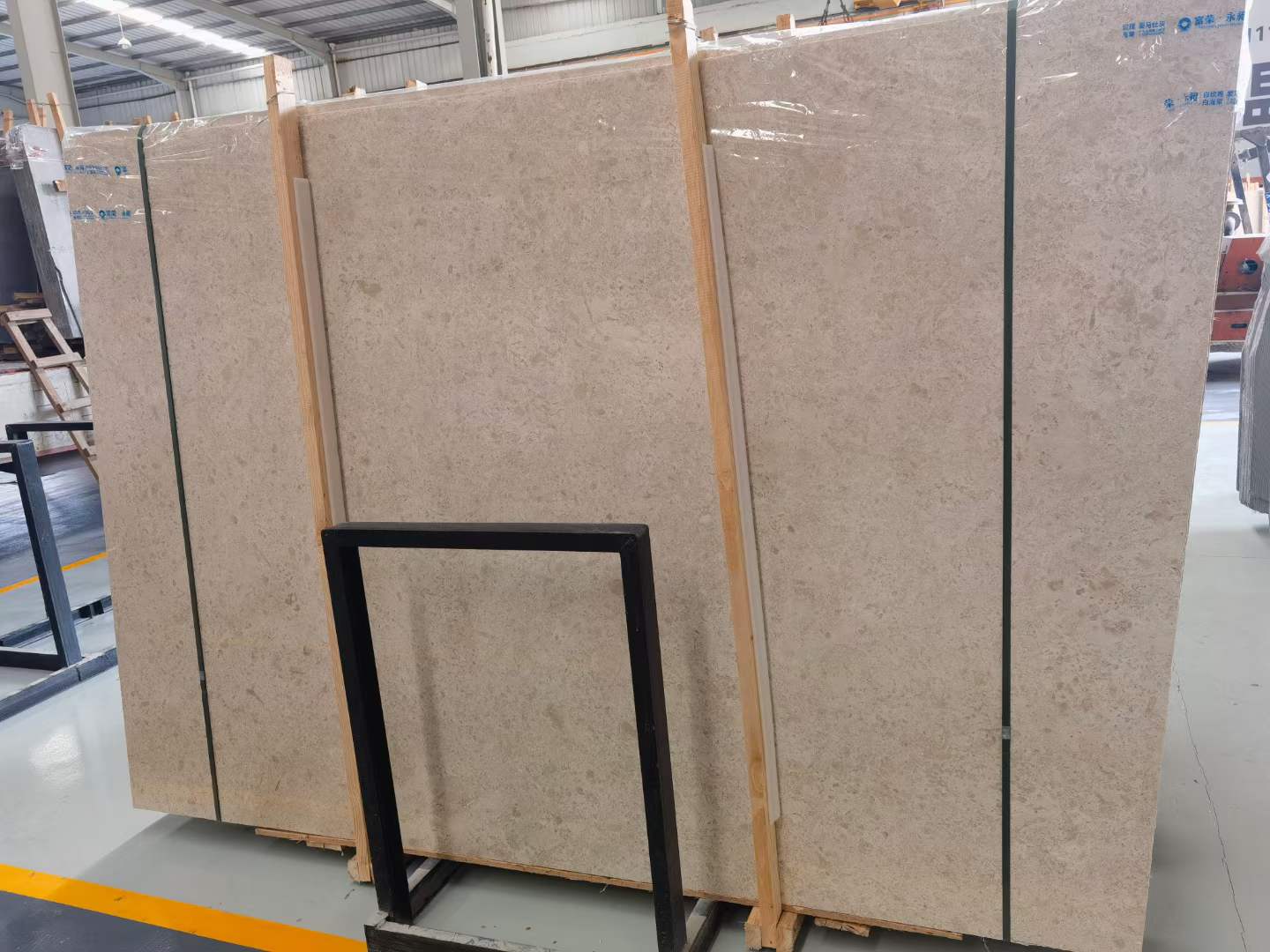

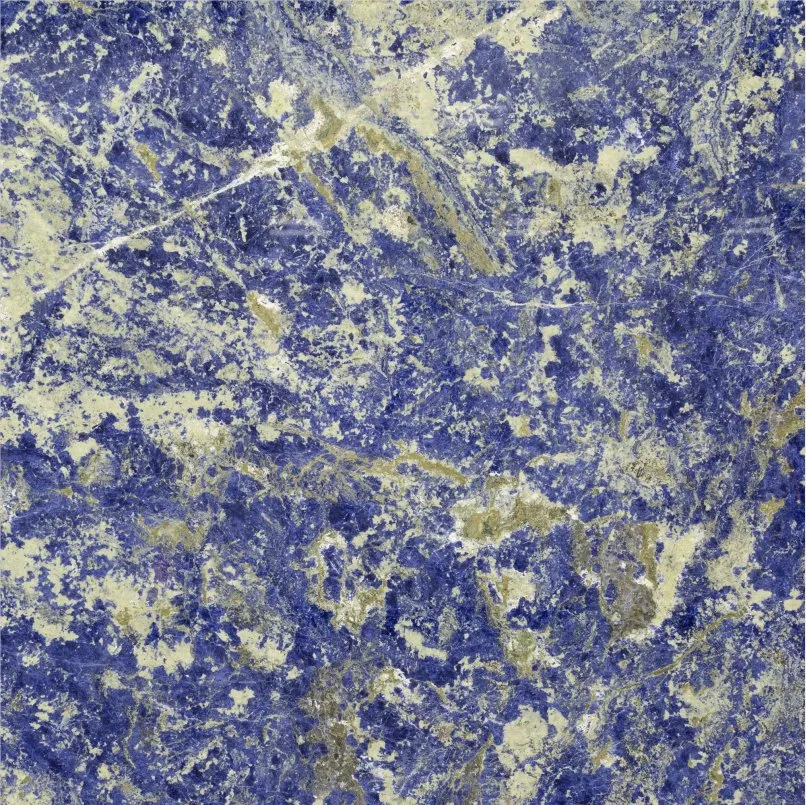
Red quartzite develops by a number of processes. Among these processes are mineral composition, chemical interactions, geological changes, and a host of other elements. Two terms to characterize this forming process are intricate and mysterious. The remarkable red hue of red quartzite can be mostly ascribed to the presence of particular minerals or to the fact that it has undergone particular geological events. We shall go more into the reasons behind the creation of red quartzite in the paragraphs that follow.

To start with, let’s understand the basic makeup of quartzite. Mostly made of quartz, a common silicate mineral that can seem white or colorless, quartzite is a type of rock. Colourless or white in appearance, Phoenix Quartzite is unique. Conversely, quartzite can be red or any other color depending on the presence of other minerals or the impact of geological processes. Among the colors quartzite can transform into is red.
The second thing to address is the overall relationship between the production of Phoenix quartzite and minerals containing iron. Being one of the metals found in the earth’s crust the most, iron is routinely involved in a variety of chemical reactions that occur during the course of geological processes. Different chemical reactions can be triggered by these interactions. Oxidation of the iron compounds found in quartzite causes iron oxide to develop. Usually red or orange in color, iron oxide is. Phoenix quartzite also has a reddish color because of the iron element that has oxidized. It is this material that gives quartzite in Phoenix its appearance.

Phoenix quartzite may also have originated in an environment of high temperature and high pressure during geological processes. The Phoenix quartzite may have formed in this climate. Extremely high temperatures and pressures characterize this specific geological habitat, which is found deep within the planet. This environment will subject minerals to a wide range of chemical reactions, which will eventually result in changes in the composition of the minerals. The above mentioned procedures will bring about these changes. In such kind of setting, quartz, which was colorless at first, may react with other minerals. Phoenix quartzite is the name for red compounds or crystals that may form from this reaction.
The effect of particular geological modifications that occur during the process of geological development is another factor that helps to produce some Phoenix quartzites. Rocks would experience tremendous temperature and pressure as well as mineral recrystallization as a result of geological events like magma eruptions, crustal movements, and volcanic eruptions. The changes that these processes would bring about in rocks would be many. This method will result in the production of phoenix quartzite in a variety of colors, red among them.


Moreover, outside the usual circumstances that were previously covered, there exist a few unique circumstances that can lead to the ground-up development of red quartzite. In some areas, groundwater contains specific dissolved compounds, for instance. Moreover, the reaction between these dissolved substances and the Phoenix quartzite is probably going to give it a reddish hue.
In a nutshell, the formation of Phoenix quartzite may be traced back to a wide range of factors, including as the makeup of the minerals, the chemical reactions that take place, the changes that occur in the geological environment, and other components. Red quartzite is a wonder of the geology and mineralogy fields because of its unique hue and enigmatic formation method. It is formed, which explains this. This exists no matter how the circumstance is found.
What is Brazilian Fire Phoenix quartzite
Unique Brazilian Fire Phoenix quartzite is a product of South American nation of Brazil. This mineral gets its name, as the Brazilian Fire Phoenix would have it. The abundance of mineral resources in this area is well known, and among the most priceless gems on the property is Fire Phoenix Quartzite. Its unique quality—bright colors and a high degree of transparency—gears its name from the vivid and magnificent appearance of a phoenix dancing in the flames. Not just in Brazil, but also in other parts of the world, especially in North America, Europe, and Asia, is it greatly prized. One very valued mineral in Brazil is quartzite.
Firstly, the extraordinary beauty of Brazilian Fire Phoenix quartzite is the main reason for its great popularity. Its palette is really wide and includes red, orange, yellow, and many other hues. Each individual piece of Fire Phoenix Quartzite has a unique fascination of its own, yet it is all equally intriguing as a work of art. For this reason, interior spaces are often decorated with it on worktops, floors, walls, and other surfaces in order to create a unique artistic atmosphere and visual impact.

The living room of a luxury home that the designer furnished features Brazilian Fire Phoenix quartzite as the flooring. This would illustrate the idea really well. The vivid Phoenix quartzite is the perfect accent to the living room’s overall design, which eventually creates an incredibly opulent and creatively stimulating space.
Because of its quartzite makeup, Brazilian Fire Phoenix resists wear and corrosion quite well. It resists stains and damage brought on by constant use because of its strong structure and coarse texture. It may so keep its brilliance and beauty for a longer period of time than other materials. This is why it is utilized widely in places that are prone to regular use, such bathrooms and kitchens, which are instances of such places.
For the kitchen countertop at a posh restaurant, a natural quartzite from Brazil named Fire Phoenix was chosen. Let me give you an example. This specific type of Phoenix quartzite is easy to clean in the right way and is not just attractive and fashionable. It helps to maintain the beauty and cleanliness of the countertop and offers convenience for kitchen work because of its ability to resist food stains as well as the wear and tear of tools over time.

Furthermore noteworthy are the remarkable temperature stability and pressure resistance of Brazilian Fire Phoenix quartzite. Its performance and look are consistent under any temperature or pressure that it is placed under. Its resistance to distortion and breaking also ensures that it may be used in a safe and long-lasting way.
Brazilian Fire Phoenix quartzite has various practical applications. Among these uses include landscape design, home décor, and building adornment. For instance, Brazilian Fire Phoenix quartzite was chosen by the designer of a posh business center to be the flooring in the foyer. There were other materials considered before this one. The distinctive colors and textures of the foyer attract a lot of businesses. Their attention is drawn to the foyer by its impression of elegance and richness.
Brazilian Fire Phoenix quartzite has a unique look and excellent working, which makes it widely known and liked worldwide. That explains its enormous popularity. This material adds elegance and everlasting pleasure to people’s lives and is not only a fine decorative material but also a sign of personality and taste. People can show their uniqueness and tastes with this material.
According to legend, Brazil, a country in South America, is where the amazing and fascinating material known as Brazilian rainbow quartzite was first found. Brazilians are credited with discovering this amazing and intriguing material. Rainbow quartzite is one of the precious stones that may be found in this region, which is well-known worldwide for its enormous mineral wealth. Here, among the priceless stones that can be found is rainbow quartzite. Its unique, brilliant, crystal clear appearance—as vivid and seductive as a rainbow—is why it was named “rainbow”. One of a kind it is.
Brazil’s Rainbow Quartzite is much sought for worldwide, especially in the US, Europe, and Asia. Particularly significant demand exists for this commodity in several areas. Its popularity is the result of the predominance of the many unique benefits and features that it contains, not of a random incident.
Brazilian rainbow quartzite is renowned worldwide in part because of its amazing color range. Among the numerous hues of Phoenix Quartzite are red, orange, yellow, green, blue, purple, and many more. Every single piece of quartzite has an entirely original color combination. This collection of color choices by itself is just as beautiful as a piece of art. Rainbow Quartzite is widely used in commercial construction, especially in the ornamental and architectural construction sectors, because of its vibrant appearance, which has won it a lot of praise. The broad use of this product has helped these two companies.

The completely translucent structure and wonderfully beautiful hue of Brazilian Rainbow Quartzite make it an excellent material for both indoor and outdoor décor. It’s therefore a fantastic option for both situations. It offers such amazing ornamental options that this is a great option. Rainbow quartzite has the unique charm to show off and infuse an artistic atmosphere into the area when it is utilized as a decorative material for floors, walls, worktops, or sculptures. Application for rainbow quartzite are several. This is the case either way rainbow quartzite is to be applied.
Apart from that, Brazilian rainbow quartzite has very attractive physical characteristics. Such attributes are much sought for. This material can endure the wear and pollution brought on by continuous use and yet maintain its brilliance and beauty for a very long time. Its robust texture and thick structure provide it remarkable resistance to pressure, corrosion, and wear.
Moreover, it is crucial to consider that the composition of Brazilian rainbow quartzite gives it outstanding ornamental properties. Bright colors and a very translucent texture of the material make it a great choice for decorating both indoors and outside without sacrificing its aesthetic value. This material is excellent for decorating. Anywhere rainbow quartzite is used as a decorative material—floors, walls, worktops, sculptures—it has the ability to show off its unique beauty and help to create an artistic atmosphere. The reason for this is because rainbow quartzite has several uses. Rainbow quartzite can also help to design an artistic atmosphere.
Apart from that, Brazilian rainbow quartzite has very attractive physical characteristics. Such attributes are much sought for. Its strong texture and small size provide it excellent resistance to wear and corrosion in addition to strong resilience to pressure. Its corrosion and wear resistance are further features. It can also withstand the deterioration and pollution caused by regular use, thereby maintaining its brightness and beauty for a very long time. That is a big benefit.
Rainbow quartzite is a Brazilian stone that finds usage in a wide range of practical applications. Among these uses are, but are not restricted to, landscape preparation, building and home decoration. For instance, it is often used in the production of floors, walls, worktops, sculptures, and other such things. Together, all these elements help to create an atmosphere inside structures that is distinctively innovative. But, it may also be utilized to build public squares, garden landscapes, and other similar areas, therefore fostering a friendly and enjoyable environment for people. Use of it will enable you to do this.
Because it looks great and functions incredibly well, Brazilian rainbow quartzite is generally highly valued and popular everywhere. Its enormous appeal results from this. The existence of this noble decorative material, which also serves as a symbol of uniqueness and taste, enhances the beauty and endless happiness of people’s lives. This substance is a signature of inclination. People can express their ownness and tastes by using this material.
Compare Phoenix Quartzite And Rainbow Quartzite
There are many different types of Phoenix quartzite, such as Rainbow Quartzite and Fire Phoenix Quartzite, of which there are many. On the other hand, these two varieties of quartzite are distinct from one another in terms of their look, properties, and the reasons for why they are utilized.
In that order, characteristics and manifestations correspondingly
Rainbow quartzite is well-known for its appearance, which is distinguished by a number of different colors occurring in the stone. Rainbow quartzite is a material that is widely used in the jewelry business. Red, orange, yellow, green, blue, and purple are only some of the colors that may be observed on its surface. Its surface also contains a rainbow’s worth of colors. You can also see a great deal of additional colors. When compared to those colors, the surface of the object has the same coloration.
Rainbow quartzite, in general, has a texture that is more abstract, with a variety of brilliant color combinations interlaced to give a one-of-a-kind artistic appearance. Rainbow quartzite is sometimes referred to as rainbow quartzite. One of the minerals that occurs naturally is called rainbow quartzite.
It has a surface that is shiny and smooth, and its texture is fully transparent. Its surface is not only shiny but also smooth. These are the quality that it possesses.
Typically, Fire Phoenix Quartzite is accompanied by spots or stripes that are yellow or orange in color. This is in addition to its vibrant tint, which is primarily red. Among the elements that set it apart from other quarries, this is one of the distinguishing traits.
In the same way that flames move across the rock, Fire Phoenix Quartzite frequently exhibits a form that is reminiscent of flames. The reason behind this is that the characteristics of the rock’s texture are comparable to the way flames flow across the rock.

Red is the primary color, and it is typically connected with a mood that is both warm and passionate. Red is more obvious than other hues, and it is the color that is considered to be the most prominent.
Its function, as well as the ways in which it can be utilized
The usage of Rainbow Quartzite in decorating: This material is widely used in the decorating of both indoor and outdoor spaces, including floors, walls, worktops, sculptures, and other elements, in order to impart an artistic ambiance to the area. This is done in order to convey a sense of creativity and originality to the space. All of this is done with the intention of instilling a spirit of inventiveness in the region.
Stone pavement is a substance that is frequently utilized in the field of landscape design for the purpose of producing colorful landscape effects in garden landscapes, park squares, and other locations. This is done in order to provide an atmosphere that is significantly more pleasing to the eye.
Application for decoration: Fire Phoenix Quartzite is suitable for interior decoration, particularly in institutions that aim to create a warm and dynamic atmosphere. This includes places such as bars, cafes, and other establishments that are deemed to be of a similar type.
In situations where a distinctive visual impact is required, Fire Phoenix Quartzite is typically selected for use in construction projects. The reason for this is that these particular areas hold a special significance. Because of its distinctive red hue and a texture that is comparable to flame, this can be linked to the fact that it possesses both of these characteristics.
Rainbow quartzite and fiery phoenix quartzite are the two types of quartzite that are classified as belonging to the category of quartzite. Both of these types of quartzite are distinct from one another in terms of their appearance and characteristics, and each of them holds a particular value in terms of engineering and practical applications. Not only is it essential to take into consideration the qualities and aesthetics of the surrounding area when making a decision about which type of quartzite to use, but it is also essential to take into account the requirements of the designer or owner with regard to the ambiance and the visual effects of the space.
Other Knowledge:
Chinese Style Natural Beauty Winter River Snow Marble: Feature Wall And TV Wall Application
Compare Plenty Of Grey Marble Slab: With Unique Design And Patterns
Fusion Quartzite: Unique Color And Silk Pattern Decorate Your Space
Why Italian Marble Slab Expensive: Explore The Luxury Secret
Gaya Green Quartzite Quartzite Pool Surrounding: A Decoration Design
Noir Aziza Marble: Most Popular And Luxury Black Marble
Travertine Slab: Popular Material In Exterior
Black Quartzite Slab Bulgari Black Quartzite: New Material With New Design
Natural Onyx, With Different Colors, Make Your Space Design
What Is Botticino Marble: Custom to Floor, Wall, Sink, etc.
Frequently Asked Questions
1. What defines the dramatic aesthetic of Fire Phoenix Quartzite?
Fire Phoenix Quartzite is a breathtaking natural stone characterized by its explosive and energetic patterns. It features a mesmerizing blend of deep rust reds, fiery oranges, and charcoal greys, interspersed with crystalline white quartz. This “conglomerate” look resembles a mythical phoenix rising from the ashes, making it one of the most expressive luxury stones in our collection.
2. Is Fire Phoenix Quartzite suitable for high-end kitchen islands?
Yes, absolutely. Beyond its artistic beauty, Fire Phoenix is a genuine quartzite, meaning it possesses exceptional hardness and density. It is highly resistant to heat, scratching, and acid etching. At Century Star, we recommend it as a premier “worry-free” surface for kitchen islands that require a bold, conversation-starting focal point without compromising on durability.
3. Can Fire Phoenix Quartzite be backlit?
Yes, sections of Fire Phoenix Quartzite contain translucent quartz clusters that respond beautifully to backlighting. When illuminated, the stone’s fiery tones and crystalline textures glow with an intense, amber-like radiance, turning a feature wall, bar counter, or vanity into a glowing piece of architectural art.
4. How should I incorporate this bold stone into my interior design?
Due to its high-impact visual movement, Fire Phoenix is best utilized as a standalone statement piece. It pairs exceptionally well with dark wood cabinetry, matte black hardware, or copper accents that echo its natural earthy tones. It is ideal for expansive waterfall islands, grand fireplace surrounds, and prestigious feature walls in luxury residential projects.
5. What maintenance is required for Fire Phoenix Quartzite?
Maintenance is simple. For daily care, use a soft cloth and a pH-neutral stone cleaner. To preserve its vibrant colors and crystalline luster, Century Star recommends professional sealing during installation and a quick re-sealing every 12 to 24 months to ensure the surface remains perfectly protected against moisture and stains.