


? What Is the Summer Solstice?
“The longest day of the year is not just about sunlight—it’s a time to reflect, realign, and restore.”

The Summer Solstice, or Xiazhi (夏至) in Chinese, is one of the 24 Solar Terms that divide the lunar calendar and agricultural seasons. Falling on June 21, it marks the highest point of the sun’s journey in the Northern Hemisphere and the longest daylight period of the year.
In Chinese philosophy, Xiazhi embodies the peak of yang energy—symbolizing brightness, growth, and outward activity. Yet paradoxically, it also signals a subtle turning point, as daylight will now begin to shorten. This cycle mirrors the Daoist wisdom of balance: even in abundance, moderation is key.
? The Deeper Meaning Behind Xiazhi
In ancient China, Xiazhi was more than an astronomical event. It represented a time of gratitude, grounding, and generosity. Unlike Western summer festivals that center around joy and leisure, Xiazhi traditionally emphasized the rhythm of nature, the balance between heaven and earth, and the importance of preparing for the next phase of life—both agriculturally and spiritually.
? Rich and Diverse Summer Solstice Customs in China
Chinese customs during Xiazhi vary greatly by region, yet all reflect a profound relationship between humans, nature, and seasonal change. Below are 7 meaningful traditions that enrich the summer solstice experience:
1. Eating Cold Noodles (Liangmian, 凉面)
Cold noodles are a classic summer dish in northern China, especially popular during Xiazhi. Served with vinegar, sesame sauce, cucumbers, and sometimes shredded meat, they provide coolness and balance to the body’s internal heat. This culinary tradition promotes health and digestion during peak summer.
2. Making Summer Solstice Dumplings
In Jiangnan and southern coastal provinces, people make dumplings filled with seasonal vegetables, salted duck egg yolks, or beans. Dumplings during Xiazhi are symbolic of harvest, family unity, and seasonal transitions.
3. Offering Sacrifices to Earth Deities
Historically, emperors and local officials would perform earth worship rituals during Xiazhi to ensure agricultural prosperity. These ceremonies featured offerings of grain, wine, and fruits, and were conducted in open fields, showing reverence for the land that sustains life.
4. Wearing Fragrant Sachets
Children often wear sachets filled with herbs like mugwort, angelica, or mint to ward off heat and disease. This tradition, though more associated with the Dragon Boat Festival, is also common around Xiazhi as part of the broader mid-summer health preservation practices.
5. Drinking Herbal Teas (凉茶)
In southern China, families prepare cooling teas made from chrysanthemum, honeysuckle, or bamboo leaves. These traditional Chinese herbal infusions help clear internal heat, prevent heatstroke, and improve energy—a natural way to maintain wellness as the temperature rises.
6. Taking a Noon Rest (Xiuxi 午休)
As the sun reaches its highest intensity, it’s customary to rest during the midday hours. Many workplaces and homes follow this practice of seasonal pacing, which is rooted in ancient Chinese medicine’s belief in harmonizing activity with the sun’s movement.
7. Shadow Watching and Measuring the Sun
Dating back to the Zhou Dynasty, Chinese astronomers would measure shadows cast by gnomons (vertical rods) on Xiazhi to calculate the sun’s height and refine calendars. This scientific tradition reflects the early sophistication of Chinese astronomy.


? Modern Interpretation of the Summer Solstice

Today, Xiazhi may no longer be a national holiday, but its essence still informs modern lifestyles—especially for those who seek balance between work and wellness, tradition and innovation.
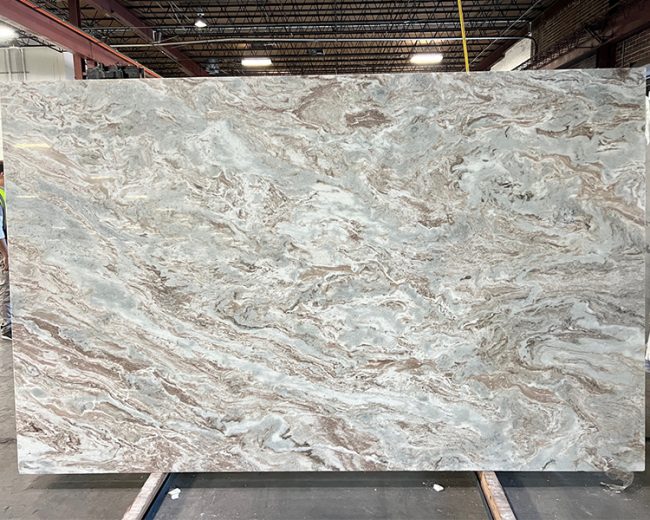
For architects and designers, the summer solstice serves as a reminder of light’s impact on structure, material, and emotion. Long daylight hours create opportunities to explore how natural light interacts with textures, especially natural stone surfaces. At CENTURY STAR, we believe in honoring this interplay—where light meets craft, and seasons shape space.
?️ A Note on Stone and Season
Though stone may seem still and unchanging, it holds the memory of time. Whether it’s the subtle variation in veining, the cool touch in warm months, or the way sunlight brings out depth in polished or honed surfaces—stone responds to nature, silently and beautifully.
As designers, builders, and homeowners, aligning with natural cycles—like the Summer Solstice—helps us make sustainable, thoughtful choices in materials. That’s why CENTURY STAR emphasizes natural, durable, and seasonally harmonious stone solutions for luxury projects worldwide.
✨ Final Reflection
“When light is at its fullest, it is time to begin anew—with humility and intention.”
The Summer Solstice is not just about the longest day—it is about renewal, awareness, and gratitude. Just like a well-designed space, this solar term teaches us that clarity leads to calm, and abundance is best when balanced.

? Ready to Build with Timeless Light?
At CENTURY STAR, we combine craftsmanship, culture, and design insight to help you create spaces that endure through every season. Whether you’re working on a private residence, a luxury hotel, or a cultural landmark, we provide tailored stone solutions that bring clarity and beauty to your vision.
? Email: [email protected]
? WhatsApp: +86 13685922793
? Website: www.hcenturystar.com