


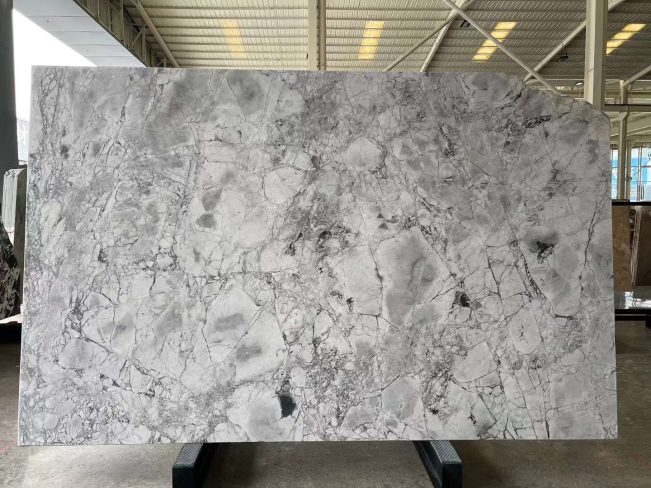
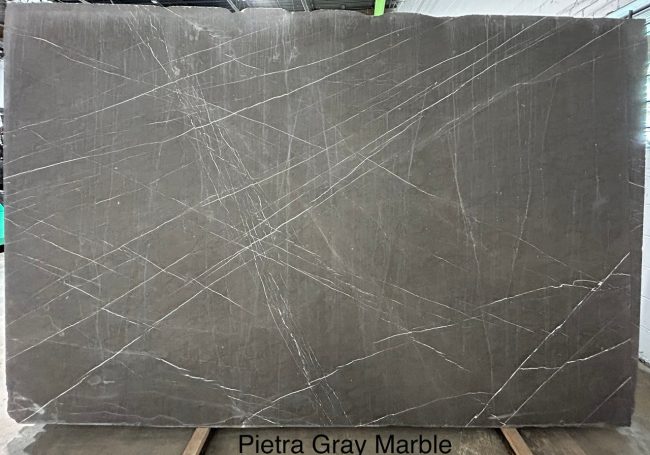
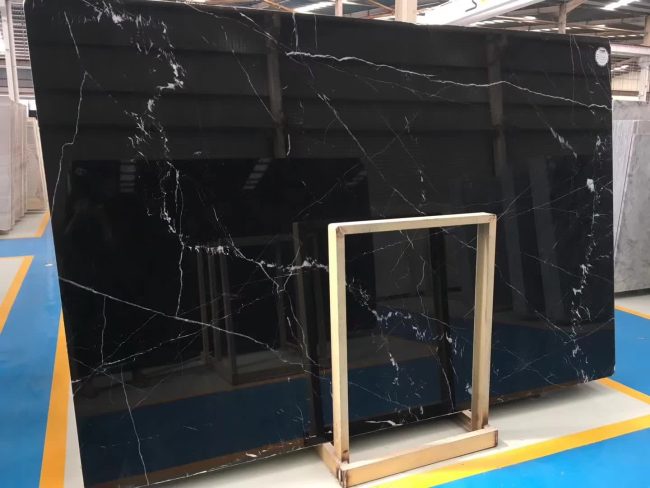
If a house is compared to a face, the ground is like the base. If it is not healthy, many problems such as “mottled, uneven, and color deterioration” will occur. To keep the face healthy and beautiful, the first step is to start with the base layer—ground paving. For this, you can opt for various types of paving stones, like black paving stones, grey paving stones, or even granite paving stones to enhance both aesthetics and durability.

The ground adopts the dry stone paving rule to equip your house with a long-lasting “bare face beauty.” For example, slate paving stones are often used for their natural look, while patterned paving stones can add a decorative touch.
What is dry stone paving?
To produce a dry, solid cement mortar, dry paving mixes cement and sand in exact ratios. Laying floor tiles and stones uses this mortar as a robust bonding layer. Dry paving’s adaptability—it can accept a great spectrum of stone forms and sizes—is one of its main benefits. For instance, you may quickly work with hexagonal paving stones, which have a distinctive geometric design, or choose more conventional options like large square paving stones, which look great on patios or walks.

Particularly for garden paths, many homeowners and designers want natural slate paving stones in their outdoor areas. While slate’s durability guarantees the paving will survive for years, its rough texture and natural color variations give any landscape rustic appeal. Dry paving offers a consistent basis that improves the appearance and lifetime of your project, whether your preferred style is modern and hexagonal paving stones or more natural slate paving stones.
Difference Between Dry stone paving and Wet stone paving
Wet paving involves using more water in the cement and sand mixture, which creates a softer and more pliable mortar. This method is generally better suited for smaller, simpler materials such as concrete paving stone molds or small glazed tiles. The added water helps ensure a smooth and even application, making it ideal for intricate designs or areas where fine detail is required.

However, when it comes to larger stone formats like 18 x 18 paving stones or other heavier materials, dry paving is often the better choice. The dry mix creates a more stable and firm base, which helps prevent common issues like hollowing or shifting that can occur over time. This is particularly important for high-traffic areas like patios, walkways, or driveways, where stability is key to long-term durability. By using dry paving for larger stones, you ensure that the surface remains level and securely bonded, reducing the likelihood of future maintenance problems.
Rules for Dry stone paving of Ground Stone
For the ground in the stone paving area, clean the base and moisten it. The stones, whether they are white paving stones or brown paving stones, should be arranged and trial assembled first. In cases where large rectangular paving stones are used, additional care is taken to ensure alignment and support. Stones like black slate paving stones or grey stone paving are often chosen for their durability in exterior settings.


The cement mortar used is typically 1:3 dry hard mortar. After laying, ensure that materials like 16 x 16 paving stones or circular paving stones are placed correctly, avoiding gaps or hollow spaces.

Protection and Maintenance
Once the stones are laid, like hexagon paving stones or granite paving stones, it is essential to follow up with crystal surface maintenance and mirror treatments to keep them looking polished. Regular maintenance, especially on paving stones prices, can help you assess value over time, ensuring your investment remains cost-effective.
Care should be taken during transportation and handling to avoid damaging fragile materials like slate paving stones.