


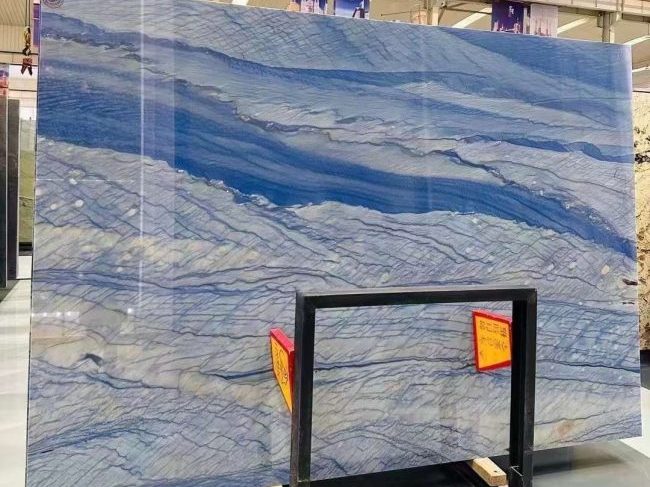

Marble protection is an essential component in the stone business. However, if protectors neglect some of the most fundamental building rules while performing stone protection, it could immediately influence the quality of the stone and the final outcome of the construction. Thus, stone protection is not only a step that has to be tightly regulated but also relies on the appropriate choice of building techniques and protection tools. This post will carefully explain how to protect marble countertops and dining tables, naturally incorporating pertinent terms to help you fully grasp the best practices for marble protection.

1. How to Protect Marble Countertops
Understanding how to marble-protect countertops is crucial for every marble user. Marble surfaces are popular in kitchens and bathrooms due to their distinctive texture and attractive appearance. However, marble is relatively brittle and susceptible to damage from stains, heat, and scratches. Therefore, implementing sensible protective measures is imperative.

2. Marble Protection Film’s Application
One of the most commonly used defensive approaches is the marble protection film. This film creates a clear protective coating on the surface of the marble, effectively preventing penetration of stains and scratches during daily use. The installation of marble protection film is not only straightforward but also highly convenient when it comes time for replacement or cleaning. It is an ideal option for marble protection countertops.
3. Key Steps to Protecting Marble Countertops
When protecting marble countertops, several important steps should be followed:
- Keep the Stone Dry: Ensure the stone is completely dry before beginning construction; the humidity should not exceed the relevant national guidelines. If there are any edge collapses, corner cracks, or holes, they should be repaired first to meet construction requirements.
- Thorough Cleaning: Before starting the protective construction, clean the surface of dust, cement residue, glue, and wax thoroughly. If stains have penetrated the stone, use a specific marble cleaner; avoid non-specialized cleaners to prevent significant fading or deepening of the stone’s color.
- Even Application of Protective Agents: Apply the protective agent uniformly to avoid omissions or unevenness, which can lead to uneven moisture absorption and cause fresh damage to the stone. Ensure the penetrating protective agent permeates the stone to a depth of at least 1 mm.
4. How to Protect a Marble Table
How to protect a marble table is similar to protecting countertops, but with some additional considerations due to the table’s frequent use for dining. Using a marble countertop protection film is an effective way to prevent food and drink penetration while preserving the beauty of the marble. Consistent use of specific protective chemicals for care is also crucial for extending the lifespan of marble tables.

5. Best Protection for Marble Countertops
Selecting the best protection for marble countertops involves considering the use environment and maintenance requirements. The following are various commonly used and effective protection strategies:
- Penetrating Sealers: These sealers deeply penetrate the stone, forming an anti-fouling layer that prevents liquid penetration and stain adhesion. They are ideal for countertops that are frequently used.
- Surface Sealers: These create a protective coating on the marble surface, blocking stains and liquid infiltration. They are suitable for stone surfaces that need to maintain a high sheen.
- Marble Protection Film: As previously discussed, this is a simple and easy method of protection, ideal for either regular replacement of protective layers or temporary protection.
6. How to Protect Carrara Marble
How to protect Carrara marble requires special attention due to its unique texture and color. Carrara marble is highly popular in high-end decor for its elegant appearance. When protecting Carrara marble, use special protective chemicals and avoid acidic or alkaline cleaners to prevent damage to the stone surface. Routine professional maintenance and upkeep are also crucial steps to ensure Carrara Marble protection remains attractive for an extended period.
7. Precautions During Protection Construction
When undertaking marble protection construction, the following should be observed:
- Environmental Temperature: The protection construction’s ambient temperature should be kept above 5°C to ensure the protective agent can effectively penetrate and solidify.
- Prevent Pollution: During construction, the non-protected surfaces should be correctly guarded to prevent contamination. If the protection process involves interaction with other materials, corresponding protective treatment should be applied.
- Application Techniques: When using the spraying technique, ensure minimal air circulation to prevent the volatilization of solvent-based protection agents, which can affect the construction outcome. The immersion method requires that one side of the stone always be exposed to air so that the protective chemical can fully penetrate.
8. Maintenance and Care
How to protect marble goes beyond the initial protection construction; it also includes daily maintenance and care. Here are some practical maintenance tips:
- Regular Cleaning: Use a neutral detergent and soft cloth to clean the marble surface regularly, avoiding abrasive or acidic detergents.
- Avoid Direct Heat Contact: Use a hot pad or heat-proof pad to prevent hot pots from directly touching the marble surface, thereby preventing thermal damage.
- Immediate Stain Treatment: If liquid spills occur, blot them immediately with a clean, soft cloth to prevent the stain from setting.
Conclusion
Protecting marble countertops and marble dining tables is essential for maintaining their beauty and extending their service life. By using the right construction techniques, selecting appropriate protective coatings and chemicals, and ensuring careful daily maintenance, you can preserve the natural beauty and elegant temperament of marble. Whether you’re learning how to protect Carrara marble or marble tabletops, mastering these fundamental techniques will help you maintain marble in its ideal state for years to come.