


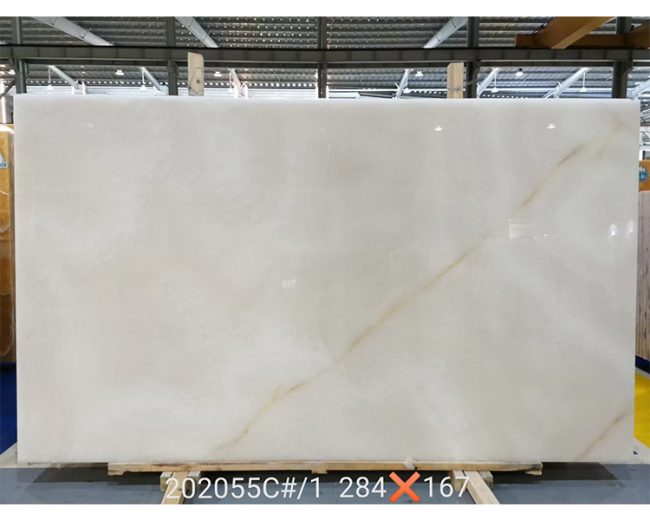


Marble and other elegant and refined ornamental stones are a common choice for use in a variety of projects, both domestic and commercial ones. Marble is one such example. Nevertheless, it is rather crucial to handle, install, and maintain these materials in the best possible way to guarantee that they will remain beautiful and strong over the next years. This page offers a thorough discussion of the several techniques one can use to improve the long-term service life and durability of decorative stone.


Pre-Processing of Marble
Cutting and Drying
Before the marble is sent out of the plant, these procedures need to be carried out in order to forestall the occurrence of early-stage problems such as rust stains, efflorescence, and other complications related to stone diseases. These challenges include the following:
1. Remove Any Water That May Have Remaining: Immediately following the cutting of the stone, it is necessary to remove any water that may have remained on its surface as a result of the cutting activity.
2. Verify that the stone has been completely dried out by the air. A proper drying technique consists of two stages, which are as follows: In the event that this is not done, early-stage rust spots and efflorescence will most surely develop.

Transportation of Stone
Preparation for Transport
For the purpose of preventing any potential damage, it is of the utmost importance to ensure that suitable preparation and treatment are carried out throughout the process of shipment. There are a number of critical tasks that need to be finished, including the following:
1. Securing enormous slabs of concrete from the ground: When it comes to ensuring that enormous slabs are positioned in a secure manner, the most effective method is to leverage newly manufactured wooden boards.
2 Strips arranged in Bundles There is the possibility of utilizing a combination of wire and wooden strips in the process of attempting to bundle strip stones.
3.For the purpose of preserving precious stones, it is recommended that their edges be fixed and that they be placed in wooden boxes or cartons. This is done in order to ensure that the stones are preserved. It is of the utmost importance to keep this in mind while dealing with items that are both little and of high value.

4. Stay away from white stones that are readily contaminated: If you are trying to bundle stones that are white or easily polluted, you should not use straw ropes. Avoid using straw ropes.
5. The cabins of the ships or vehicles that are used for transportation should be cleaned thoroughly and free of any coal, oil, or chemical contamination. This can be accomplished by taking the necessary precautions. The fifth and last phase in the process of developing a transportation system that is favorable to the environment is to take this stage.
6. It is of the utmost importance to cover the stones with tarps in order to shield them from the elements, including the wind, the sun, and the rain, while they are being transported over a considerable distance.
7.Stay away from overloading: Make sure that all of the insurance procedures are finished, carefully plan out everything, and stay away from either underloading or overloading the system.
8.Stable Ground Placement: In order to prevent the iron racks from collapsing or tilting, both of which can result in the stone shattering, it is important to ensure that the ground where the stone is positioned is stable and level.
Post-Arrival Inspection
Check Specifications and Damage
The following inspections should be carried out as soon as you get at the location:
1.Dimensions and Condition of the Damage: Make sure the marble’s dimensions are accurate and look for any signs of damage.

2.Alkaline Resistance of Back Glue: Determine the alkaline resistance of the back glue. The mesh cloth should be removed and an alkali-resistant back adhesive or a film-forming protection agent should be applied if it is not resistant to alkali before proceeding.
3. Protective Performance: The other five sides of the stone should be examined to ensure that they provide sufficient protection. This involves making certain that water droplets evaporate and do not cause discoloration, deepening, or water stains within sixty minutes in an area that is sheltered from the wind and has a shady location. It is important to make sure that the stone is resistant to grease when it is used in restaurant settings.
Six-Sided Protection Process
1. The most important thing is to make sure that all six sides of the stone are clean and dry.

2. Bottom Surface: After removing the mesh cloth, apply two coats of a protective agent that is resistant to alkali and forms a film. Wait for the first coat to dry before applying the second coat. In order to improve the bonding between the cement layer and the second coat, sprinkle dry coarse sand before the second coat dries. As an alternative, you could use a waterproof back glue that is resistant to high alkali.
3.The remaining five surfaces are as follows: Apply two coats of the penetrating protective agent made of organosilicon in an even manner. When applying to sides that have a high absorbency, make sure to apply it thoroughly. In order to prevent surface spots from appearing on dense surfaces, the excess protective agent should be wiped off after thirty minutes.
Installation of Stone
Moisture Control
Moisture control during installation is critical:
Cement Mortar Ratio: Follow the standard cement mortar ratio and control the moisture content for proper adhesion. The base layer mortar should be moist enough to form a ball when squeezed by hand but crumble when dropped.
Gap Considerations: Consider the width of the stone joints and the evaporation rate of moisture. Recheck the moisture content of mortar mixed the previous day before use, as evaporation reduces water content and weakens adhesion, affecting the stone’s bond strength.
Post-Installation Care
Curing Period After stone installation:


Curing Time: At approximately 20°C (68°F), allow at least 7 days before walking on the surface (adjust according to the stone’s compressive and flexural strength for vehicle passage).
Final Curing: Ensure a minimum of 28 days for complete curing and drying before performing grinding, crystallization, and other maintenance treatments.
By adhering to these meticulous handling, transportation, and installation processes, decorative stones can achieve maximum durability and maintain their aesthetic appeal for years to come. Proper care and maintenance are key to ensuring the longevity and beauty of these valuable materials.
Some Popular Marble Material Introduction
Ever since the dawn of time, Marble has been the preferred material for both high-end homes and businesses. This is so because Marble is unmatched in both its durability and beauty. The advantages of marble flooring will be shown in this article by means of a specific case to show them. Furthermore on show will be a variety of well-known varieties of marble, including Carrara White, Calacatta White, and Spanish Crema Marfil.


Case Introduction: Luxury Hotel Lobby
Imagine yourself in this situation: you recently arrived at a five-star hotel right in middle of the city. First thing you notice when you first glance about the large and brilliant foyer, which has smooth, glittering marble flooring, is This not only offers a visual feast but also shows a dedication to performance of the best possible caliber.
1. Visual impact
With its natural texture and great range of hues, marble flooring can leave an extremely distinctive visual impact on the place where it is laid. This is so because marble flooring is available in a great spectrum of colors. Marble of the Carrara White kind was chosen specifically for this one occasion to be used for the hotel’s lobby. The ambiance is one that is polished and elegant since the background is totally white and the texture is gray. The background is all white, thus this is also. Carrara White marble is one type of marble developed in Italy. The traditional and long-lasting beauty of this particular type of marble is well-known.
2. Durability
Marble’s resilience makes it a flooring material with yet another major benefit: it has an extraordinarily long lifetime. Among the most significant benefits is thought to be this one. Calacatta White marble is a great flooring material because of its poor susceptibility to wear and great solidity. These two traits taken together explain this. Apart from its visual appeal, the marble under question has remarkable wear and tear resistance due to polishing process. This makes it a perfect choice for usage in business settings with a lot of foot traffic.
3. Versatility
Apart from being suitable for usage indoors, marble is a fantastic material for flooring in outdoor areas since it resists the surroundings. Flooring for both inside and outside might be marble. Using Spanish Marbella marble, which stands out for its warm brown and golden tones, gives outdoor areas a cosiness. Every one of these colors define this marble. This marble keeps its amazing look even after being exposed to both of those factors since it is resistant to both the surroundings and stains.

4. Easy maintenance
Although marble has to be kept consistently to retain its shine and beauty, the maintenance of this stone is not very difficult. Marble flooring can be kept to look as fresh by keeping the suitable amount of washing and polishing consistent. The hotel specifically used expert marble care treatments to guarantee that the floor remained in the greatest possible state. This was carried out to assure hygiene.
5. Value-added effect
Research shows that homes and businesses that make use of materials of a higher grade are more appealing to consumers and have the potential to raise their value. Within this particular scenario, the installation of marble flooring unquestionably helps to increase the general quality and attractiveness of the hotel. Marble flooring not only adds to the visual appeal of the room.

6. Environmentally friendly
For consumers who are growing more ecologically aware, choosing sustainable-minded marble is becoming a more and more vital factor. In this specific case, the hotel favored marble derived from approved mines that followed strict guidelines for the preservation of delicate environmental areas. This was done to ensure that the resources were acquired in an ethical and environmentally conscious way.
7. Design flexibility
Marble’s adaptability allows it to be applied in a great range in design. Following the specific criteria of the project, designers can choose marble in a range of colors, textures, and other surface characteristics. Here specifically, the enrichment of Spanish Beige marble—used in addition to the main Carrara White and Calacatta White marble—gives the area more levels and depth.