



Hi everyone, this is Maggie. Today we’re delving into a really useful subject—choosing the right material for your kitchen counters. Marble, granite, quartz, artificial stone, and sintered stone are among the choices we regularly find in the market. Which one is then best for kitchen countertops? Let’s dissect every component and discuss its advantages and drawbacks.
Natural marble countertops
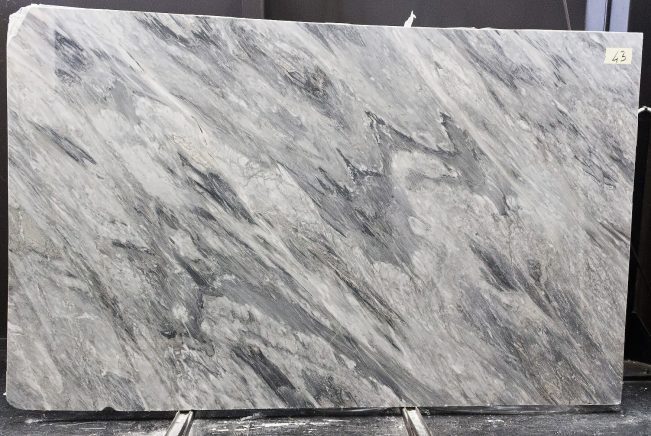
First, let’s discuss marble countertops. Marble’s distinctive veining and polished finish help it to radiate luxury and grace. It seems logical that many find attraction in its beauty. When it comes to using marble for kitchen counters, though, there are a few things to weigh


Advantages
Marble counters and worktops are celebrated for their visual appeal and distinctive veining that gives the surface depth and character. The natural shine of the stone accentuates this beauty even more and can change the appearance of any kitchen, serving as both a practical and aesthetically pleasing focal point. Marble’s opulent feel is more than simply looks; it’s a tactile experience that lends your room some refinement and grandeur. Perfect for cooking and other food preparation, marble’s cold and smooth surface offers a comfortable and pleasant working space. Moreover, the classic beauty and everlasting elegance of marble guarantee that your kitchen or work space will always be in style, demonstrating a dedication to excellent materials and sophisticated design. Therefore, marble is a great choice for those who value finer things in life and seek a surface that is both durable and a statement of great taste.


Disadvantages
Although marble countertops and stone worktops are known for their beautiful natural appearance, natural stone has a porous character. Highly acidic materials like lemon juice, vinegar, and wine easily stain marble due to its porosity. This quality necessitates prompt handling of spills in order to preserve the stone’s integrity and appearance.
Apart from its porosity, marble is somewhat soft as compared to other materials, which increases its susceptibility to scratches and chips. It’s important to handle sharp objects carefully and use cutting boards to protect the surface from this sensitivity.
Moreover, marble requires much care to remain in perfect shape. To maintain the surface appearing fresh and clean and to provide a protective barrier against stains, regular sealing is absolutely vital. Although essential, this maintenance may take time and necessitate a commitment to correct care techniques.
Notwithstanding these factors, many homeowners and experts choose marble because of its unmatched beauty and the reputation it lends to a room. Marble worktops and counters can be a timeless and elegant addition to any kitchen or work area with appropriate care and upkeep, providing a classic appearance that will last.
Granite Countertops
Granite countertops come next. Granite stands out due to its durability, wide range of colours, and exceptional hardness. Natural granite, with its solid surface, has long been a popular choice for kitchen countertops. In the countertop space, it is a strong competitor.


Advantages
The excellent durability of granite countertops and worktops makes them valuable for their solid kitchen surface that resists daily usage demands. Granite’s hardness makes it quite scratch-resistant, thereby ensuring that it looks excellent even with regular use. This robustness also applies to heat; it lets you conveniently and peacefully lay hot pots and pans straight on the surface without worry of damage or burns.
The variety of hues and designs from which one can choose colours or types is another excellent benefit of granite. Granite can accentuate every type of kitchen decor, from classic to modern, because of this variety of design choices. You can tailor granite to your personal aesthetic preferences, whether you prefer a conventional or bold style or a slab with dramatic veining.
Furthermore, granite’s heat resistance is critical in the kitchen because of its importance for safety and utility. This natural granite would be ideal for countertops and worktops because it can withstand high temperatures without causing damage or warping. Granite, with its low care requirements and natural beauty, not only enhances the appearance and feel of your kitchen but also establishes its value as a long-term investment.

Disadvantages
One such bad factor is porosity; granite, like marble, is porous, so it can absorb liquids if not correctly sealed. This calls for consistent sealing to form a protective barrier against any stains from spills, ensuring that the surface stays discoloured and damage-free over time.
Although natural granite is not as demanding as natural marble, it also requires maintenance to maintain its brilliance and durability. Along with cleaning with gentle, non-abrasive detergents, this upkeep includes careful avoidance of harsh chemicals that can compromise the sealant or dull the surface of granite. Granite also needs cautious handling of heavy or sharp things, as, although it is heat and scratch resistant, strong impacts could cause it to break or cause damage.
For many consumers, the general advantages of granite exceed their maintenance needs, even if they do exist. With the proper care and attention, granite countertops and worktops can provide a beautiful, long-lasting, and functional surface for a kitchen area, preserving their attractiveness and performance for years to come.
Quartz Countertops
So, what are quartz countertops? Unlike natural stone, quartz counters combine quartz crystals with resin to create a surface that is both durable and low-maintenance. It has the appearance of marble, and its Mohs hardness of 7 has made quartz counters rather popular recently.


Advantages
Tough quartz countertops and worktops resist stains, scratches, and even impacts like champs. Indeed, you may bid those ugly scrapes and tough stains farewell. And the finest aspect is that they are not permeable, hence sealing is extinct. Your countertop remains hygienic, therefore resisting bacteria and maintaining the cleanliness of your kitchen as a whole.
That isn’t all, though. For those who enjoy a little order in their decor, quartz offers you a smooth, homogeneous look throughout that is simply ideal. And let’s consider the ease of upkeep. You don’t need an entire toolkit of cleaning agents with quartz. You’re good to go after a brief wipe with soap and water. That is so simple.
Disadvantages
When it comes to quartz countertops or quartz worktops, there are a few things to keep in mind. First, quartz kitchen countertops may cost more than cheap granite. Although a quartz kitchen is not the most affordable choice available, keep in mind that quality and durability often pay for themselves.
Another problem is that, although somewhat strong, quartz is not as heat-resistant as some of its competitors, such as granite or sintered stone. When you have hot pots and pans right from the stove, you should start using trivets or pot holders. This small extra step stops any possible heat damage and helps your quartz countertop seem flawless.
Therefore, even though quartz may require more heat and a higher initial cost, its simple maintenance and amazing appearance make it a popular choice for people who want a premium kitchen surface that will last. Imagine investing in a piece of kitchen luxury that you will enjoy for many years to come.
Artificial Stone Countertops
Artificial stone countertops are made from a blend of natural minerals and acrylic resin, offering a customisable and versatile surface.Some people also use artificial stone for kitchen countertops because of its low price and variety of customisation options


Advantages
Imagine kitchen countertops that you could shape into any size or form you desire, thus providing your kitchen with a flawless and absolutely distinctive appearance. And let’s discuss uniformity. Fake stone provides a consistent look that natural stone simply cannot match, so you can bid farewell to those bothersome colour variances and flaws.
Artificial stone is also non-porous, like quartz, which makes it resistant to microorganisms and stains. messy spills and messes Not a concern! They won’t absorb, so your kitchen will be cleaner and healthier. And when it comes to such seams, artificial stone excels at vanishing acts. You can create it with almost invisible joints, resulting in a smooth, continuous surface that resembles a straight, out-of-design magazine.
Disadvantages
Regarding faux stone countertops, there are a few considerations to keep in mind. They might display some love marks in the form of scratches and dents more readily than their friends, quartz and granite, as they are somewhat softer. You must thus manage them with a little more caution, particularly about those sharp knives and big pots.
Another heads-up is that imitation stone might be quite heat-sensitive. You should, therefore, avoid just dumping a hot pan straight from the stove onto your tabletop without a trivet. Give your countertop some protection since high heat might leave marks or even cause harm.
Sintered Stone Countertops
Sintered stone counters come last. Though relatively new on the countertop scene, sintered stone is fast becoming popular because of its outstanding performance and adaptability. Natural-occurring minerals undergo intense heat and pressure treatment to produce a very solid and durable surface.


Advantages
Regarding longevity, sintered stone countertops are the real deal. These countertops are built to last; they shrug off stains, heat like a boss, and scratches. Indeed, you should stop worrying about laying hot pots and pans down. In terms of heat resistance, sintered stone in kitchen is second to none.
That’s not even the best aspect, though. These non-porous counters act as a fortress against stains and bacteria.They won’t soak in, so your kitchen remains hygienic and looks perfect.
And let’s also talk about variety. Sintered stone offers more than just a handful of homogeneous choices. Its rainbow of hues and patterns is so varied that you will feel like a young child in a candy store. Want a countertop with the sleek, modern look of granite or rich marble veins? Sintered stone covers all you need and replicates the beauty of natural stone without the negatives.

Disadvantages
sintered stone, has its own set of drawbacks despite being an affordable material. It’s known for being fragile, which means it can break or crack under stress or if not handled with care during installation or daily use. This fragility adds a layer of delicacy to its use on countertops and worktops, requiring extra caution.
On the flip side, while china-sintered stone is cheap, the processing is cheap. The sintering process involves specialised equipment, which can drive up the cost. Additionally, the fabrication of sintered stone into custom shapes and sizes, such as for countertops or worktops, can also be expensive due to the specialised skills and tools required.
so which is better for countertops
There is no standard answer. Each countertop material has its own set of advantages and disadvantages. The best choice for your kitchen countertop depends on your specific needs, preferences, and budget.
But personally, considering practicality, durability, and maintenance, quartz countertops emerge as a top contender for most kitchen countertops. Their robust performance, ease of upkeep, and stylish appearance make them a highly suitable choice for everyday kitchen use.