


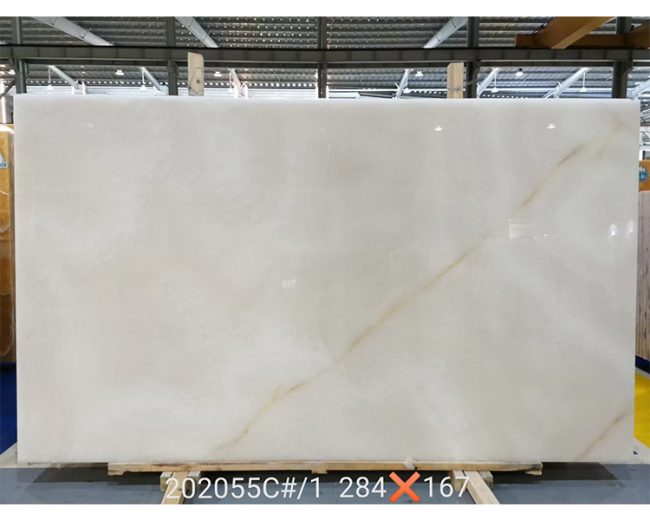
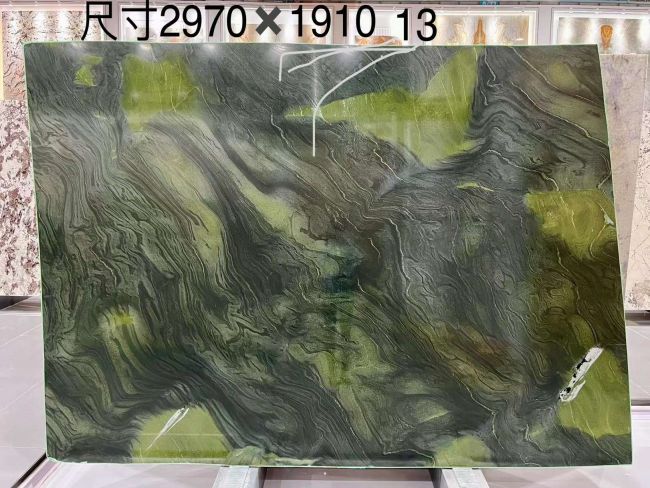

Why is the stone price so high, but you still choose it?
For its timeless beauty and lifetime durability, natural stone has been a preferred material in the building and interior design spheres. This is a material that has endured over time and provides a difficult-to-copy bit of refinement and elegance. Geological events have created distinctive patterns in natural stone over millions of years, adding to its appeal. Every piece tells a story; the particular circumstances of its creation define its colour, pattern, and texture. This natural fluctuation guarantees that no two components are exactly the same, therefore giving every design project unique individuality.


Still, the choice of procedure—especially with regard to price—can be as complex as the process of forming the stone. Even for the same type of stone, the price of natural stone can vary slightly. Several elements affect this fluctuation, including the special qualities of the stone, the mining and processing techniques, and the channels of sale for it.so How do you choose the right one for your project without breaking the bank?Follow me and look down
1 Why are there so many different stone prices?
There are many varieties of stone on the market, and the specific number is difficult to accurately count. New varieties may be discovered or created at any time. The diversification of mine origins and varieties has led to the diversification of stone prices. Now we will start with the diversification of stone mines and the source of mining technology to analyse the differences in stone prices.
A. The unique geological formation and inherent variability of natural stone contribute to the diverse pricing found in the market
Stone’s geological formation considers several elements, including mineral composition, pressure, and temperature. These factors cause each variety of stone to acquire special qualities. For example, whereas marble, a metamorphic rock, has a diversity of veining patterns, granite, created under extreme pressure and temperature, shows a variety of crystal sizes and hues.

B. Different mining techniques
Whether the stone originates from an old or new quarry, its origin greatly influences its quality and price. While a new quarry may produce unusual patterns that have not been seen before, an old quarry may have more consistent and desired colour variances. The quarry’s location may also influence the availability of the stone and, consequently, the stone price
2 Variance of Pricing Calculation Techniques affect stone price.
Stone price are as variable as the stone itself. Making a wise choice for consumers depends on knowing about the many pricing strategies used by stone suppliers.How are stones priced?This cannot be summarised in one sentence. It also depends on whether you buy stone slabs or stone blocks, the shape of the stone, the area you need to use it, and the actual utilisation rate of the stone. These will directly lead to differences in stone prices.

A. Stone price of Slabs Against Stone price of Blocks
The main shapes made from natural stone are slabs and blocks. While stone blocks are more solid components, they are usually used for carving stone or customised sizes for different needs. Usually, when we ask about the price of stonnee rough materials, we ask about the price per cubic metre of stonnee or the price per tonne of stonnee. There is a difference and we need to pay attention to it.
Stone slabs can be used directly in production. The price varies according to the size of the slab, thickness, texture and basic colour of the slab.When you ask for the price of stone, you usually use the price of stone per square metre or the price of stone per square foot.
B. the utilisation rate of the stone also affect the stone price
The yield of stone refers to the part of the whole stone slab that we can use. Usually, the more square metres we can use, the higher the yield of stone, the lower the loss rate, and the lower the price of stone.
According to the size and kinds of needs, the utilisation rate of stone slab is usually 70%~80%.but if you want to cut some Conventional sizes, you can generally ensure a reasonable availability of stone slabs. However, if the size is unconventional or the customer does not like a certain area of the stone slab and wants to avoid using it in their home, the availability of the stone slab will be reduced and stone price will increase accordingly.

3. Where can i buy stone at low price?
There are various phases to the trip from the stone quarry to Terminal customers, each of which might affect the stone’s ultimate cost.

The cheapest stone price directly buy from the stone mines.
Direct purchase from stone mines: although the stone price is the lowest, there are few choices, professional stone knowledge is required, and the quality is unstable, which is not suitable for customers who want customised stone engineering projects.
B. The most reasonable stone price directly buy from the stone manufacturer
The price of stone varies from stone manufacturer to stone manufacturer, depending on the type of service and pricing strategy provided by the stone manufacturer. However, buying directly from the stone factory is suitable for all home decoration and some commercial decoration projects.
C. Highest stone prices buy from stone stores
Stone stores provide a well-chosen assortment of stones and the ease of rapid availability. Although this choice could be more costly because of the additional expenses of retail operations, it gives consumers quick access to purchases and the chance to view the stone personally before deciding on anything.
4. Market positioning and adjustments affect stone price
Different stone suppliers have different pricing policies, which reflect their different methods of marketing.

A. Competitive pricing
Some suppliers use a competitive pricing approach to draw in business by cutting certain product prices. This can be a successful approach to highlighting their brand and inspiring clients to investigate their whole line of products.
B. Value-Based Pricing
Value-based pricing may be the emphasis of other suppliers, stressing the quality, originality, and lifetime of their items. This approach is for consumers who are ready to pay more for better materials and workmanship.
C. Promotional Pricing
One often-used strategy to clear inventory or launch new products onto the market is promotional pricing. For consumers seeking a bargain but still wanting premium stone, these specials can provide major discounts.
5. Processing methods affect stone price
The quality of the processing methods used greatly influences the price of the transformed raw stone as a finished good.


A. stone surface treatment
The price of stone varies with the surface treatment method, such as water ripple stone, carved stone, composite stone, etc. The complexity of stone surface processing is the key to determining the price of stone.
B. stone-cutting method
The cutting method of stone also affects the price of stone, such as water jet parquet stone, mosaic stone, etc. The price of water jet parquet is calculated by metre; the more metres, the more expensive it is. Mosaic stone is also calculated by the time it takes to cut. If you need a low-cost stone, then use the simplest cutting method.
C. Standards of Quality Control
The higher the grade of stone, the higher the price. The same stone varieties also have a large price difference, especially Italian stone and Brazilian stone.
How are the various prices and costs of marble calculated?
After understanding the five factors that affect the price, you need to know how to calculate the price of stone or what the price of stone includes or does not include. The following is a common calculation method in the stone industry for you to refer to and understand before purchasing stone.
Stone cost composition: material cost, processing cost (edging, cutting, digging, thickening), installation cost, transportation cost; if it needs to be polished, there is also a polishing cost.
Price of domestic stone: like granite. Most of them have a fixed width, generally 60 cm wide, and the price is calculated by ㎡ or m.
Price of imported marble: calculated by ㎡.
Special-shaped installation: If the window sill or the place where the stone is installed is special-shaped (such as a diamond, triangle, circle, etc.), the material consumption is calculated based on the longest and widest consumed materials, and the thickened edge needs to increase some width so it is larger than the actual size.
Processing fee: Various processing (such as edging, thickening, digging, etc.) according to actual requirements needs to be calculated separately.
Polishing cost: that is, the cost of stone care crystallisation. Usually, uneven interfaces and large areas of stone surfaces need to be polished after installation.
Trimming fee: Some market merchants add trimming fee to the processing fee, which is the cost of cutting the material from the large board. This fee is unreasonable and you should pay attention to it when ordering.

HRST stone wants to say
Above all, there are 5 Factors Affecting Natural Stone Price .And I believe that through this article, you should have a general understanding
Customers who want to make a wise purchase at a reasonable stone price must first understand the elements that influence the cost of natural stone. Although cost is a factor, it shouldn’t be the only guiding stone for a project. Think over the vendor’s general value, quality, and service.
But recall that the least expensive choice is not necessarily the best. High-quality natural stone investments can yield returns in terms of longevity, beauty, and the gratification of a job well done. When you want to buy natural stone, take into account all elements of the transaction and select a product that not only satisfies your criteria for quality but also matches your means.