


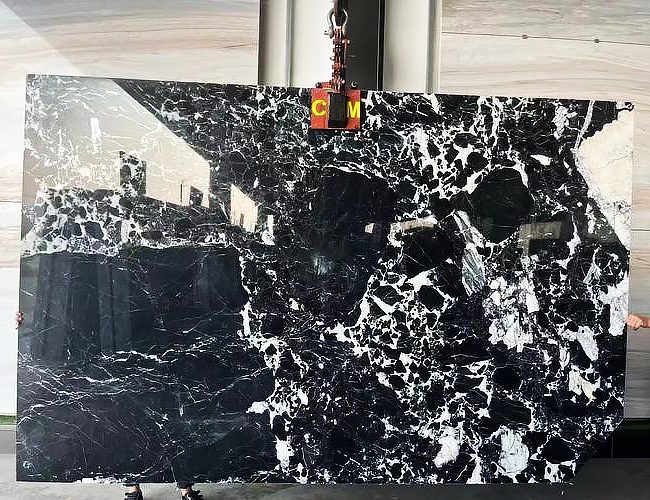
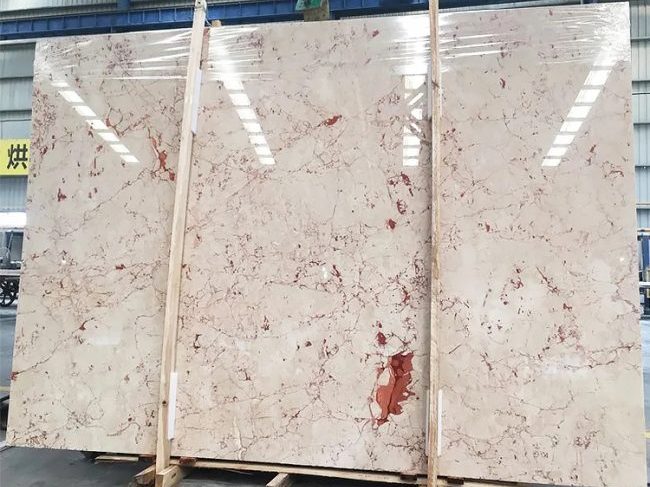
Among the world’s major sources of onyx are both Iran and Afghanistan. Natural resources of onyx abound in these locations, and the outstanding quality and unique characteristics of green onyx from these areas are well-known worldwide. Supplying onyx markets worldwide, it is widely distributed in mountainous areas and mineral veins in Iran and Afghanistan. One can find onyx origins in each of these nations. The many colors, textures, and patterns of onyx from these locations appeal to the jewelry, handicrafts, and décor sectors. These areas’ onyx is renowned for its richness of hues and textures.

The geological conditions of onyx deposits in Iran and Afghanistan differ from one another since the mineral properties of these two countries differ. Most of Iran’s onyx veins are located in its highland areas. Apart from the tough texture and wide range of colors of onyx, the mineral deposits are fairly plentiful. Moreover, Afghanistan is a country rich in onyx deposits and is well-known for its peculiar deposit structure and geological characteristics. This is because Iranian and Afghan green onyx have somewhat different deposit characteristics and geological settings. The Iranian and Afghan onyxes will differ in color and texture even if both are rich in both. For example, onyx from Iran can be found in a range of colors, including white and light green, but onyx from Afghanistan is usually found in shades of dark green or light blue. In processing technology, there exist: The little variations in the processing technology of onyx between Iran and Afghanistan may be a result of the traditional talents and processing techniques of the local craftsmen in both nations. Onyx is a valuable stone that finds many applications in both countries. Onyx products’ style and features may vary depending on whatever processing methods and procedures one party prefers over another. One element that affects the choice of onyx products is this one.
Onyx Styles
White onyx is one of the most often occurring varieties of onyx, defined by its flawless white appearance. One kind of onyx is the white onyx that is made in Iran and Afghanistan; it is hard and translucent in look. Applications for this material include often in jewelry, handicrafts, and carvings.


Sapphire, also known as natural sapphire, is a type of onyx that is mostly light green or dark green in colour and has a distinctive colour and texture. Mountain veins are a popular location for the discovery of sapphire discovered in Iran and Afghanistan. Carving and decorating are both possible with this material because of its strong texture.
Pink onyx is a variation of jade that is primarily light pink or light red in colour, and this variety of jade is characterised by its gentle colours and textures. Blue onyx veins are the most common location for pink jade, which originates from Iran and Afghanistan. This type of jade is good for use in jewellery, sculptures, and decorations.
Sapphire, also known as natural sapphire, is a type of jade that is primarily light blue onyx or dark blue in colour, and it has a bright-colored and transparent texture. The majority of sapphires that come from Iran and Afghanistan are found in veins, and they are frequently utilised in the production of jewellery, sculptures, and decorations.
Onyx Applications
Rare and expensive, jade is used as a decorative element in modern interior design. Apart from its elegant and refined look, jade offers a plethora of advantages that give a unique charm and raise the worth of many home design projects. As an illustration, let us take the foyer of a five-star hotel. In this instance specifically, the designer decided to cover the foyer’s walls and floors with jade as a decorative material. Because of the unique texture and color of jade, the foyer gains an artistic touch that gives the area a sense of refinement and distinctiveness. More so than any other material, jade is incredibly durable and damage-resistant when mounted on the wall. Customers are led to believe that it is of superior quality because of its clean and smooth surface, which results from extensive processing. Even in the foyer floor, which is often walked by a large number of people, jade’s remarkable resistance to wear allows it to maintain its beauty for a long time. Jade is unique among materials in that it is not easily damaged by wear and strain. Hotel management is also capable of appreciating the benefits that jade provides concurrently. Just routinely wiping the lobby down with water is all that the cleaning crew has to do to keep it tidy and bright. As so, the maintenance work is made easier and more effective.


Designers and homeowners use jade because of its qualities that are beneficial to the environment as a whole as well as to human health. Jade was employed as wall and floor décor in the living room of a luxury home that the designer was in charge of building. Writing the project was another of his responsibilities. Jade not only gives its residents a feeling of dignity and beauty, but it also helps them to live a life that is peaceful and healthy at the same time as being ecologically friendly. Being a natural stone, jade releases no radioactive materials or toxic fumes, and its presence will have no effect on the health of the local population. It therefore conforms to the initiatives being made by the modern population to save the environment as well as their health. Premium ornamental material jade excels in terms of durability, cleaning ease, and environmental health in addition to its beauty and quality. Jade is a generally regarded to be a very good material. Examining the above listed instances reveals that jade has a certain charm and flavor that it can be used in a range of settings and circumstances. It is something we can see.
Similar Material Agate Slab
In order to produce white agate slabs, the manufacturing process is quite complicated and involves the completion of many operations. As a first step in the manufacturing process, skilled artisans will select rough stones of superior quality composed of purple agate from mines or river beds. There is a wide range of alternatives available for later processing because to the fact that these rough stones frequently come in a variety of colours and textures. Following the selection of the rough stone, the subsequent step is the procedure of cutting the stone. In order to transform the rough stones into huge slabs that are suitable for processing, craftsmen will make use of professional cutting equipment.


This procedure involves highly exact operations in order to guarantee that the slabs that are cut have a consistent thickness and the ideal shape.Next, the slabs that have been cut are ground and polished. This technique requires many operations, grinding tools of varying particle sizes, and gradually grinding the surface of the huge plate until it is smooth and flat, hence increasing its light transmittance. This process is required in order to get the desired results. Through the process of polishing, the surface of the huge slab will eventually exhibit a dazzling lustre, thereby demonstrating the exceptional beauty of blue agate. An additional surface treatment is necessary for certain green agate slabs during the final step of the slab production process. Among these are waterproofing, anti-fouling treatments, and specific colour coatings, all of which are designed to improve the texture and durability of the material while also catering to a variety of consumer requirements and ornamental effects.
Translucent Lilac Agate Colors And Applications
Some of the colors that are frequently used for agate slabs include the following, but there is a wide spectrum of colors that are commonly utilized:
The color of red agate can range from a dark red to a bright crimson or even pink, and it is frequently distinguished by the presence of a large number of veining and speckles. Some of the most typical applications for this material include the creation of decorative objects, jewelry, and handicrafts. Additionally, it can be utilized for the purpose of interior decoration, including applications on walls, cabinets, and other surfaces.
Among the several types of agate, black agate is characterized by its exceptionally dark black color and the presence of veins that are typically gray, blue, or green in color. Due to the fact that it maintains a steady tint, it is commonly used in the ornamental arts, jewellery, and handicrafts. In addition to that, it can be utilized as a decorative element for the floors and walls of indoor areas.


Blue agate comes in sky blue, light blue, and dark blue, among other hues. Blue agate also often has veins in shades of black, grey, or white. It is often used to make ornaments, jewelry, and handicrafts; it may also be used to decorate walls, floors, and other interior places. Furthermore, it is often used to decorate outside areas.
Emerald green, bright green, and dark green are just a few of the several hues of green agate. Green agate also often has white, gray, or black veins. It is often used to make jewelry, decorations, and handicrafts in addition to being appropriate for interior design applications on walls, cabinets, and other surfaces. It can also be used in interior design of other surfaces.
White agate is usually pale grey or light yellow in texture and can be classified as either pure white or milky white. An other way to characterize white agate is as milky white. Creating ornamental objects, jewelry, and handicrafts are the most common uses for this material. It can be used on walls, floors, and other surfaces for interior design as well.
Other Knowledge:
Chinese Style Natural Beauty Winter River Snow Marble: Feature Wall And TV Wall Application
Compare Plenty Of Grey Marble Slab: With Unique Design And Patterns
Fire Phoenix Quartzite And Rainbow Quartzite: Similar And Difference
Fusion Quartzite: Unique Color And Silk Pattern Decorate Your Space
Why Italian Marble Slab Expensive: Explore The Luxury Secret
Gaya Green Quartzite Quartzite Pool Surrounding: A Decoration Design
Noir Aziza Marble: Most Popular And Luxury Black Marble
Travertine Slab: Popular Material In Exterior
Black Quartzite Slab Bulgari Black Quartzite: New Material With New Design
Natural Onyx, With Different Colors, Make Your Space Design
What Is Botticino Marble: Custom to Floor, Wall, Sink, etc.
Frequently Asked Questions
1. What is the most unique feature of Natural Onyx?
The most distinctive characteristic of Natural Onyx is its translucency. Unlike most marbles or granites, onyx allows light to pass through its crystalline structure. This unique property makes it the premier choice for backlighting applications, creating a glowing, ethereal ambiance in luxury interior spaces.
2. Where is Natural Onyx typically used in interior design?
Due to its rare and delicate beauty, onyx is best used as a high-impact decorative element. Popular applications include backlit feature walls, luxury bar counters, reception desks, and decorative bathroom vanities. It is often treated as a piece of “functional art” that anchors the visual focus of a room.
3. Does Natural Onyx come in different colors?
Yes, Natural Onyx offers a vibrant and diverse color palette. At Century Star, we provide a wide range of varieties, including Green Onyx with its deep jade tones, Honey Onyx with warm golden hues, Pink Onyx for a soft romantic aesthetic, and White Onyx for a pure, crystalline look. Each color features unique, swirling veining patterns.
4. How fragile is Natural Onyx compared to Marble?
Onyx is generally more brittle and delicate than marble or granite. Because of its crystalline composition, it requires expert handling and fabrication. In many architectural projects, onyx slabs are reinforced with a fiberglass or mesh backing, or laminated to glass or honeycomb panels to increase their structural strength for wall or countertop use.
5. What is the best way to maintain the luster of Natural Onyx?
To preserve its brilliant clarity and color, onyx should be cleaned only with a very soft cloth and a pH-neutral stone cleaner specifically designed for delicate stones. It is highly sensitive to acids (like lemon juice or alcohol). Professional sealing during installation and regular re-sealing are mandatory to protect its porous surface from staining and etching.