


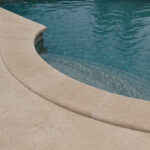
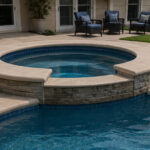
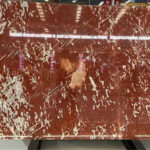

Natural Outdoor Paving Stone Grey Porphyry 10x10x10 cm Square Tile
The natural stone known as grey porphyry, which is both distinctive and long-lasting, has minute variances including traces of beige, brown, or black. Its classy and neutral gray hue is much sought for. Mostly composed of feldspar crystals buried in a matrix with fine grains, this igneous rock has an unusual texture that combines fine and coarse grains, giving it a polished and tough look. Both home and business building makes extensive use of porphyry. It comes from a range of locations all around, including parts of South America and Italy. It is a common choice since its versatility and durability are highly appreciated.
Grey Porphyry Feature
A variety of cold gray tones defines porphyry, with sporadic overtones of brown or beige. It gives a neat and neutral look fit for many different design philosophies.
Feldspar crystals accompany the typical coarse-grained texture of the stone to give the surface of the stone depth and personality.
Grey porphyry is quite resistant to wear and tear, scratches, and the effects of weathering thanks to its great density and hardness. It is thus a great material for use in both indoor and outdoor applications.
Because of its low porosity and stain resistance, grey style porphyry is a material easy for maintenance. Its inherent beauty depends on regular cleaning; else, it would lose appeal.

Case Study: Grey Porphyry in Modern Office Building Facade
The architects decided to utilize grey style porphyry as the outside cladding for a modern office building located in an urban commercial neighborhood. The goal was to create a modern and simple exterior that would fit the surroundings on all sides and still be strikingly beautiful and long-lasting structure. The cold gray tones of the stone complemented the city backdrop all around it, therefore producing an elegant and subdued look.
The Grey Style Porphyry was cut into large, smooth panels using a dry-hanging technique, then hung to provide a facade with great stability and lifetime. The stone’s tenacity allowed it to resist the effects of weathering and demand just little maintenance, therefore ensuring that the construction would remain beautiful throughout time. While the neutral color scheme provided flexibility in terms of adjusting to future design changes or developments in the surrounding architectural landscape, the stone’s natural texture gave the façade of the structure depth and visual interest.
The project underlined not only the aesthetic and practical advantages of Grey Style Porphyry but also its ability to improve the general design of contemporary business environments. Architects and designers seeking a material that was both fashionable and long-lasting so turned to it first option.


