Grey Porphyry FAQ
1. Grey porphyry is a type of igneous rock defined as produced by volcanic action.
It is defined in large mineral crystals known as phenocrysts buried in a fine-grained matrix. Usually including feldspar, quartz, and other minerals, the grey colour creates a sophisticated but neutral impression. Grey porphyry’s unique texture and considerable strength make it suitable for many architectural and ornamental applications.
2. Grey porphyry possesses certain characteristics.
The distinctive colour of porphyry runs from light to medium grey with occasional darker or lighter inclusions and veins. The intended finish will impact the surface texture—rough or polished. It is rather strong, resistant to weathering, abrasion, and chemical damage. Its exceptional appearance and great functional properties come from its good grain and larger visible crystals.
3. Grey porphyry is rather common in what?
Grey porphyry is used frequently both indoors and outdoors for its durability and attractive appearance. Flooring—both in homes and businesses—is quite prevalent since of its durability and simplicity of maintenance.
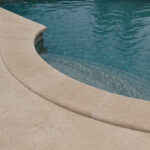
For outdoor pavement including public squares, roads and walks, porphyry’s slip-resistant surface and weather-resistant properties are highly sought for.
Its amazing appearance would be immensely appreciated both inside and outdoor wall cladding.
Beautiful counters, vanity tops, and decorative surfaces can be created by porphyry polishes.
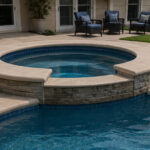
Projects including landscaping—such as garden walkways, accent decorations, and outdoor sculptures—may also profit from it.
4. Is grey porphyry strong?
Grey porphyry is really robust indeed. Its resilience to stains, weathering, and scratches qualifies it for high traffic areas as well as outdoor situations. Strong composition of the stone ensures that it will survive extreme environmental conditions without losing beauty or strength. This classifies it as a preferred choice for both personal and corporate purposes.
5. Could one utilise Grey Porphyry outside?
Without a doubt Grey porphyry is particularly fit for outdoor uses since it resists the elements. It benefits landscaping, garden paths, paving, exterior cladding. The stone’s natural resilience to weathering guarantees that it will maintain its appearance even in severe conditions including high temperatures, rain, or snow.
6. Grey Porphyry is kept in condition by what means?
Grey porphyry is little maintenance. Just gently rub a delicate cloth over it under warm water with a mild soap solution. Avoid abrasive materials or powerful chemicals that could scratch the surface. For polished grey porphyry surfaces to keep their lustre and protect them from stains, sealing could be advised. Its longevity for outside use will be guaranteed by regular cleaning and maintenance.
7. Grey Porphyry is unique from other types of porphyry in what respects?
grey style porphyry is special because of its neutral grey colour, which gives numerous design concepts adaptability. Unlike some other types that could have red, brown, or green tones, grey porphyry seems more modest, sophisticated, and attractive. Its fine grain and visible crystals also set it apart from other stones, providing both functional longevity and cosmetic appeal.
8. Grey porphyry isn’t cheap.
Price of the porphyry will depend on its quality, source, and size. Although natural stone is often considered as a fairly priced option, its cost could be more than that of some other more regularly used stones, such limestone or some types of granite. However, especially for outdoor or high-traffic applications, its low maintenance and long-lasting sturdiness might make it a really reasonable choice over time.
9. Does Grey Porphyry have different colour tones?
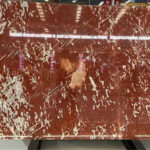
While grey porphyry often maintains a consistent grey tint, depending on the particular quarry and batch of stone slight variations in tone or pattern could occur. Every original object will acquire character from some slabs with darker veins, brighter spots, or random flakes of different minerals.
10. Can one polish Grey Porphyry?
Grey porphyry is polished in order to give a smooth, lustrous look. Perfect for high-end purposes such counters, vanity tops, and decorative accents, polishing highlights the natural hues and provides the stone additional visual depth. Still, especially for outdoor applications, the stone can also be retained in its natural, raw form for a more textured, rustic look.