


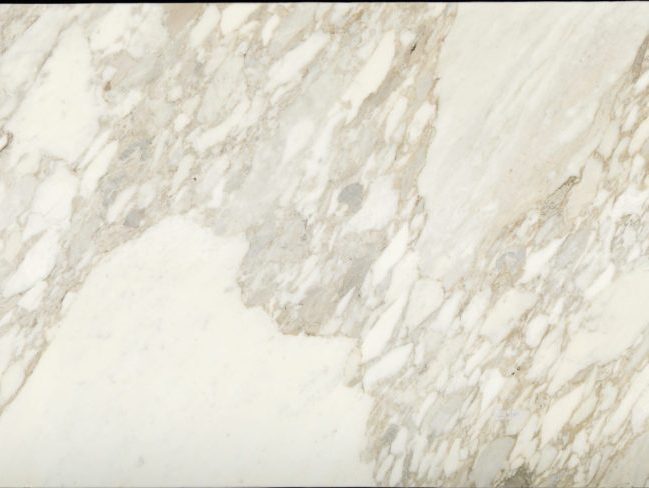
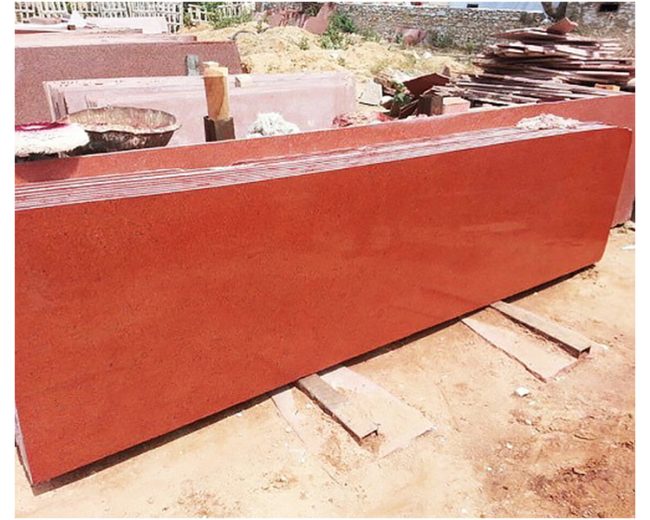

Different processing techniques are performed on the surface of stone in line with several application requirements and aesthetic objectives. Conventional surface treatment of stone is a spectrum of various techniques. The following paragraphs provide a detailed comparison of glossy and matte surface treatments:


The therapy given is glossy
Grinding and polishing help one to attain a glossy treatment—that is, to make the surface of the stone quite smooth and flat. By means of this treatment, stone finish can be given a gloss akin to that of a mirror, therefore improving its capacity to reflect light. This is expected to result in higher degrees of openness and brightness in the surroundings. Gl glossy stone is typically utilized when stone is required to portray a noble and elegant quality, like in hotel lobbies, luxury homes, upscale retail establishments, and exhibition halls. This is so because glossy stone gives a sophisticated and elegant touch. This is so because glossy stone is quite easy to keep and preserve. Moreover, glossy stone’s great sheen facilitates regular maintenance and cleaning of it. This is so because shiny stone surface is more readily kept. This condition arises from stains and dust’s ease of removal from the stone.
A more matte surface treatment
The matte surface treatment is meant to provide the stone finish a more subdued and understated brilliance by lowering the shine level on its surface. This treatment can be done by grinding the material very little or by using particular chemicals to limit light pollution and reflect the less amount of light. These two techniques work well. For interior walls, flooring, counters in kitchens, and bathroom walls, among other surfaces, matte finishes work well. Furthermore appropriate for use on flooring are matte finishes. They are able to create a warm and welcoming environment at the same time they can lessen the aggravation light reflections cause to the eyes.

Designs aiming at low-key luxury and natural styles benefit from matte finishes since they have a more natural and simple texture. This helps matte finishes to be a suitable option.
General surface treatments must consider the properties of the stone’s material as well as its capacity for over time maintenance. For instance, glossy treatments could be more suited to accentuate the inherent color and texture of some stones. Conversely, matte treatments could be more suited for some stones to highlight their texture and depth of color. Furthermore usually more resistant to wear and tear are matte finish stones. This is so because consistent use of the stone finish over a long period of time will not rapidly wear away the gloss of the surface.
Anti-Slip Treatment
A crucial stage in the preparation of stone finish is the application of a surface treatment preventing a person from slipping. Using several surface treatment procedures helps to enhance the anti-slip performance of stone. This is carried out to safeguard pedestrian safety, especially in moist or rainy weather. The following is a list of many often used techniques to prepare surfaces in order to prevent slippage together with some illustrations of how these approaches might be applied:


The pickling procedure produces an uneven concave and convex texture on the stone finish, which enhances its anti-slip quality. This is achieved with a unique look for the stone finish. This approach is appropriate for use in close proximity to swimming pools or on outdoor ground. For example, designers and builders might pick acid-washed stone to increase ground safety in especially public outdoor spaces. One might utilize this to improve ground security. Acid-washed stone is easy to clean, anti-slip, and stain resistant. It also need little upkeep. For instance, it is appropriate for use on flooring of showers that are regularly subjected to water and humidity.
Burned Stone finish: Made of a rough texture with remarkable anti-slip performance following high temperature flame burning, this stone finish surface is This is so as the surface of the stone has already been charred. Because burned surfaces can resist high temperatures, they are extensively utilized for outdoor flooring and steps. One case that fits under the category of application is the burned board found at the Shandong Huacheng Stone Base institution. By means of flame spraying, which gives the stone surface a natural and rough texture, the stone surface is perfect for use in dry hanging on outdoor walls and paving flooring.
A natural concave and convex texture on the surface of the stone finish can be produced by contacting its surface with a water jet. One can accomplish this using the water jet. This treatment method is allowed to be used in the design of outdoor environments, including the ground around the waterscape, to guarantee aesthetic appeal and also prevent slippage so that people would not experience any risk. One may find a nice illustration of this in the earth around the waterscape.
Lychee surface: After surface treatment, the same rough texture of lychee skin helps to avoid slipping-related mishaps. This is good since it helps to stop mishaps. Regarding the building of exterior walls and walkways, lychee surface is a fantastic resource. The surface of the black black stone finish lychee from Mongolia shows this as it not only has a distinctive texture but also is highly durable against weather and has great degree of hardness. Consequently, it is suitable for usage in garden settings and outside wall building.
Pineapple surface: Surface treatment has given it a rough texture similar to that of pineapple skin and both decorative and anti-slip properties that are good. Particularly in commercial areas and upscale homes looking for a natural design and a high degree of texture, this is a perfect choice for use as floor and wall decoration both indoors and outside. For use in these purposes, the pineapple surface stone is a great choice.
These anti-slip surface treatment techniques have not only improved the functioning of stone but also its visual attractiveness, which has made stone a necessary component for both interior and outdoor building. Stone is now a basic building tool in architectural design. Designers will choose the surface treatment method most appropriate for the project to get the most desirable anti-slip and aesthetic effects. This choice will consider the particular needs of the project as well as the surroundings of usage.
Decorative Surface Treatment
ornamental surface treatment is a technique used in stone finish processing to satisfy specific design standards and enhance the visual effects of the stone. The following is a list of some common techniques for treating decorative surfaces together with the application situations for every technique:
Older surface: antiques
Antique surface is a special stone surface treatment technique that replics the appearance of natural weathering and wear on stone over a long time span. This lends the stone historical and cultural appeal. This treatment method is especially suited for usage in the development of antique buildings, historical block restoration, and amusement parks; it is also quite ideal for establishing a basic yet exquisite setting.
For example, old surface stones might be included into the construction of museums or cultural tourism sites to improve the historical sense and cultural ambiance of the area. One can achieve this by coordinating them with architectural motifs and the surroundings. In Daming Border Town, which is situated in Tongren, Guizhou, old buildings on both sides of the roadway are staggered. Many companies are also lined up offering a range of traditional handicrafts and local delicacies. Walking among them lets you appreciate the unique cultural appeal they offer.

For ancient surfaces, several alternative processing techniques can be applied. Among these techniques are direct steel brushing, high-pressured water flushing, acid etching, and water flushing following fire. By means of these methods, the Stone Finish of the stone surface can show a considerable degree of weathering and inherent roughness. Although the processing method is time-consuming and fairly costly, the one-of- a-kind ornamental effect created at the end of the process is difficult to reproduce with any other surface treatment technique.
Practically, antique-faced stone is not only perfect for wall and floor décor but also for furniture, ornamental accents, and even artwork, so adding a little classical beauty to modern surroundings. Regardless of their location—inside or outside—antique-faced Stone Finish can enhance the artistic worth and visual quality of buildings and sites.
Grooving surface

A Stone Finish with grooves is a grooved, either regular or uneven surface created on the surface of the stone by means of cutting technology to give a unique impression of texture.
This treatment method improves the sensation of three-dimensionalism and dynamic quality of the stone, so it is a perfect choice for modern interior design projects in luxury hotels, office buildings, private homes, and other like surroundings.
In modern interior design, the grooved stone wall or floor can provide the space a simple, unique ornamental accent.
Mushroom surface

The mushroom surface is the hammered out surface of the mushroom on the Stone Finish by artificial or mechanical means. The texture of this surface is erratic, much as that of a mushroom.
Appropriate for use in the ornamentation of walls, the paving of floors, and the design of garden environments, this surface-treated stone boasts natural beauty and a good anti-slip performance.
To create a harmonic match with the natural surroundings, stone with a mushroom-like look can be used in outdoor locations such park walkways, courtyard flooring, and other like regions.
Natural surface

The natural surface is not given enough artificial treatment, which lets the natural rough grain of the stone show itself. The natural Stone Finish protects the original fracture surface of the stone.
This type of treatment emphasizes the inherent beauty of the stone and is great for use in outdoor landscape design as well as wall decoration, including aspects such cultural walls, natural scenic sites, and other such components.
Natural Stone Finish allows one to add a bit of natural breath to the modern urban environment, therefore improving the artistic and ecological relevance of the area.
Sandblasted surface
The surface was sandblasted; the process produces a constant frosted look on the stone surface, therefore softening the stone. We call this phenomenon the sandy surface.
This kind of treatment is suitable for mild textures, such those seen on walls within buildings, businesses, art exhibition halls, and other such surroundings.
Apart from giving a warm and cosy ambiance in modern and simple interiors, sandblasted stone can lower light reflections and produce a more pleasing visual environment.
Planning and designing ornamental surface treated stones must examine not only how they would impact the atmosphere of the room but also how well they will coordinate with the surroundings. If carefully designed and built, decorative surface treated stones have the unique aesthetic value and artistic expression to provide to interior spaces and buildings.
A surface treatment cut out

Appropriate for artistic ornamentation and monumental building, stone can be carved to create a range of patterns and textures including relief and openwork. Stone surface carving allows one to create these textures and patterns.
Stone surface treatment can be tailored to meet functional needs including increasing anti-slip characteristics, durability, or acoustic effects by means of customizing. A stone surface treatment can be changed as well as enhance the decorative impact of stone. Designers and engineers will choose the surface treatment technique most appropriate for the project, considering the special needs of the project as well as the features of the usage environment, thereby attaining the most desired esthetic and functional results.