


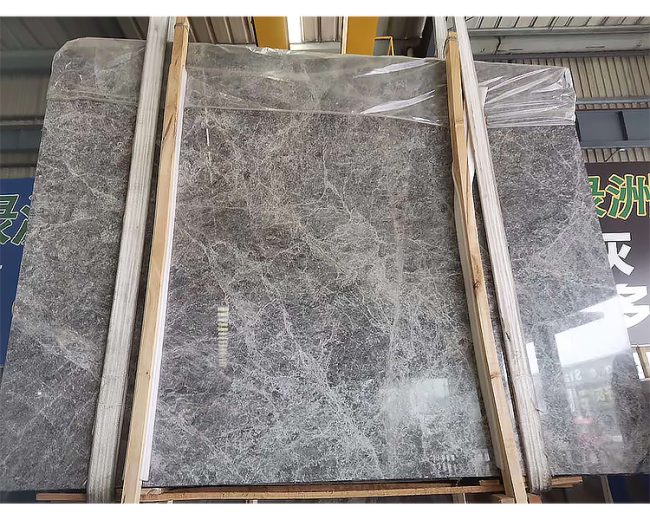
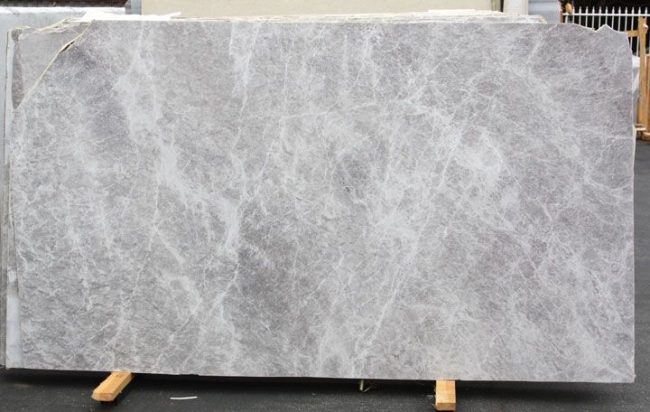

Usually speaking, a stone door frames construction placed around the door opening. This is the general knowledge about the term. Apart from adding to the area’s visual appeal, it offers a functional and protective use in the space. This is absolutely essential for interior design since it can greatly enhance the functional capacity as well as the visual attractiveness of a house. Interior design depends on a door cover as a basic element.
Besides the framework, the content
Three simple parts make up the door cover: the foot seat, the inner plate, and the door cover line. The main three parts of the door cover are these three ones. Often composed of a variety of materials including stone, wood, stainless steel, and other metals and materials, the door frames cover line is the outer expression of the door cover. The stone door cover line is rather popular among consumers because of its great durability, wear resistance, and simplicity of cleaning. The inner plate is either the same as or harmonized with the door cover line most of the times. The element of the door frames cover in charge of supporting at the bottom is the foot seat.


Stone Door Frames Decoration Application
Regarding interior design, door moldings serve a multifarious purposes in terms of their decorative value. Its compatibility with the general architectural style helps significantly to improve the aesthetic value of the area. Door moldings, for instance, usually have basic, smooth line designs based on modern minimalist style homes. This produces a harmonic visual impression that complements the smooth paint or plain wallpaper covering the wall. Simultaneously, the choice of material—such as stone or high-gloss wood—for door moldings could help to enhance the texture and depth of the interior. Regarding color matching, the door molding’s hue could contrast with the door leaf or wall color. For instance, white walls with dark timber door frames moldings might produce a historic yet modern atmosphere.
In traditional classical or European-style interior environments, door frames moldings might assume more complex and beautiful forms. These designs could call for more ornamental components and carved or embossed patterns. This is done to capture the historical sense of the interior as well as its beauty. For example, elaborate stone carvings can cover the entrance moldings of a luxury house built in the European style. These door moldings’ designs could be evocative of the inside ornamental paintings and furniture carving, so establishing a harmonic decorative theme.

The difference among the materials chosen for stone door frames adds still another element to the decorative impact. For example, the combination of glass doors and metal stone door frames in modern offices not only adds modernism but also increases the transparency degree of the room. Some high-end house projects may have door frames composed of the same stone or wood as the walls in order to establish material consistency and visual extension. This is carried out to generate the intended impact.
Apart from enhancing the decorative quality, the thorough processing of stone door frames—such as beveling, rounding, or cutting of unique forms on the edges—can also enhance the three-dimensional sense in the light and shadow effects, so providing richer visual effects to the interior space. This is so because the door frames are formed in three dimensions and are handled such way.
Differentiating Between Two Spatial Applications
Interior design depends much on door frames casings. They help to define and split various spatial zones by means of several different approaches that have been exactly generated using those procedures. Regarding the visual definition of door casings, they offer a clear framing around the center of the door opening. Modern houses reflect this, with their lines of the door casing distinctly separating the living room from the second level passageways. In the field of design, door casings offer the ability to adopt various design styles or materials, so providing a feature accessible everywhere. For instance, traditional bedroom designs are quite complemented by classic bedroom door frames casings composed of carved wood. Regarding color contrast, the significant difference between the wall and the door casing—such as the dark door casing in a bedroom with a light color scheme—helps to create the sense of hierarchy in the space. This is so because the door casing is less lit than the wall. The choice of door casings in industrial-style dwellings mirrors changes in the materials used, such the mix of concrete walls with metal door casings. These flats have their specific qualities because of this mix.

French-style bedroom door casings are ornamented with artistic details like lines or carvings that add to the romantic ambiance of the space. Within the field of lighting design, the arrangement of lighting equipment above door frames casings not only fulfills the practical illumination need but also highlights the spatial contrast existing inside hotel corridors by means of light and shadow effects. Lighting helps one to achieve this. Design of doorcases, such those pointing to the conference room in an open office environment, shows how spatial orientation can be used to lead the sight and action path via the design of doorcases. Doorcases can be made to leverage spatial orientation by means of this example. Regarding functional signals, stone door frames serve as a natural reminder of space separation, thereby helping consumers to understand the spatial configuration. This is so because door frames are placed deliberately all around the room.
Two elements that show professionalism and refinement in the work are corner splicing and line alignment. Moreover, these details help to solidify the boundaries of space. Common in luxury homes, raised and expanded stone door frames are one way to highlight the grandeur of the space by means of height and width changes. By means of stone door frames built from the same material and color as the cabinets, the designer can divide the space. One can see this by the fact that the dining area and kitchen are open to one another. By means of light and shadow effects, the lighting equipment situated above not only offers illumination but also helps to accentuate the difference of the area. This results in a clear signal of the division between the two rooms in terms of both their look and their use. Thanks to its use, stone door frames have evolved into a necessary element of interior décor meant to increase the sense of space as well as the experience that occupants have.
Finishing Of The Door Opening On The Wall Application
In interior design, especially with regard to the edge closure of the wall door opening, door molding is a quite important element. Still, door molding is also a crucial part. Its range of operation spans several several aspects. The door molding is built such that it will fit the wall and the edge of the door opening exactly. Its capacities include those of filling in any gaps that might be present, cover any uneven edges, and offer an extra layer of protection against wear and tear that could emerge from regular use. Whether the interior décor style is conventional classical or modern minimalism, the design and construction of the door molding allows one to reach harmony and unity. This is so because harmony and unity are established by the door molding. It and the interior decoration’s style now perfectly complement each other. The area where the door opens gets visual attention from the decorative design elements of the door molding, which include delicate carvings and fluid line changes. This is also in line with the ways these features improve the three-dimensional and creative feeling of space.


Regarding the change between materials, the door molding creates a link that is flawless between the wall and the door opening, both of which are made of different materials. This also eliminates any possible visual or physical issues that direct touch could have brought about. Furthermore, the quick and easy installation of the door molding helps to lower the construction time required and improve the building’s quality by means of this reduction of time needed. It is easy to maintain and clean, which over time helps to reduce maintenance expenditures. Maintenance and cleanliness are straightforward. In the same line, the surface treatment and fine splicing draw attention to the construction’s meticulousness and the attention to detail shown all during the process.
For example, designers working on modern house decoration may choose door moldings appropriate for the available timber materials inside the house. Apart from making the edge of the door opening more attractive, a design like this creates a harmonic interaction with the wooden floor and the previously existing furniture in the room. Apart from the lighting equipment positioned above, the door moldings with their smooth edges and exquisite seam treatment highlight the presence of the door opening by means of light and shadow effects, so improving the guiding of the space. This is on top of their provision of sensible illumination. These effects taken together greatly enhance the appearance and performance of the interior area by means of door moldings. Door moldings so have become a necessary part of the interior space decoration procedure.
Protective Application
Door molding is an essential component of interior decorating because of its protective function. Numerous methods in which it improves the space’s durability and safety are described here. To begin, the door molding, which is an exterior extension of the door frame, serves to effectively decrease the direct impact that occurs between the door leaf and the wall. Additionally, it serves to protect both the wall and the edge of the door leaf from any potential harm. In the second place, it fills in the spaces and evens out the unevenness surrounding the door opening, so preventing the wall from being damaged by the friction and impact that occurs in everyday life. An improvement in the door’s general stability is brought about by the reinforcing effect of the door molding, which also helps to avoid damage that could be caused by the shaking or impact of the door leaf. In addition, the door molding serves the purpose of being resistant to moisture and humidity.
This is particularly useful in areas that are prone to moisture, such as kitchens and bathrooms, where it offers additional protection to prevent moisture from penetrating the wall. When it comes to the door molding, wear resistance is another crucial feature to consider. In addition to being able to endure long-term usage and friction, it is simple to maintain and clean, and it contributes to the cleanliness of the area around the door opening. There is also the function of the door molding to provide decorative protection. Because of its stunning design, it is able to conceal, to a certain extent, any minor damage that may occur while it is being used. The adaptability of the door molding can help limit the expansion or contraction of the material that is brought on by changes in the environment, such as variations in temperature and humidity. By performing these protective duties, door casings not only increase the safety of the home but also lengthen the service life of doors and door openings. For instance, the installation of door casings in a family home not only offers additional structural support to prevent the door leaf from swaying during frequent usage, but it also shields the wall from impact by covering the edge of the door opening. This gives the door casings a dual purpose. At the same time, the moisture-proof qualities of the material efficiently prevent moisture from entering the room and keep the wall paint from being damaged. Door casings, by virtue of their combined roles, constitute a substantial improvement in both the longevity of indoor spaces and the safety of living environments.